Exploring the Benefits of Children's Playparks: How Playgrounds Boost Child Development and Well-being
The importance of children's playparks in fostering child development and well-being cannot be overstated. As highlighted by the National Association for the Education of Young Children (NAEYC), play is not just a leisure activity but a crucial element in children's growth, effectively enhancing their cognitive, social, emotional, and physical skills. According to a report from the American Academy of Pediatrics, engaging in outdoor play leads to improved physical health, better concentration in school, and reduced stress levels. Furthermore, the Centers for Disease Control and Prevention (CDC) emphasizes that structured play in environments like children's playparks can lead to increased physical activity levels, contributing to a decrease in childhood obesity rates. As communities recognize the multifaceted benefits of these spaces, investing in well-designed children's playparks becomes essential for nurturing healthier and happier future generations.
Benefits of Physical Development Through Active Play in Children's Playparks
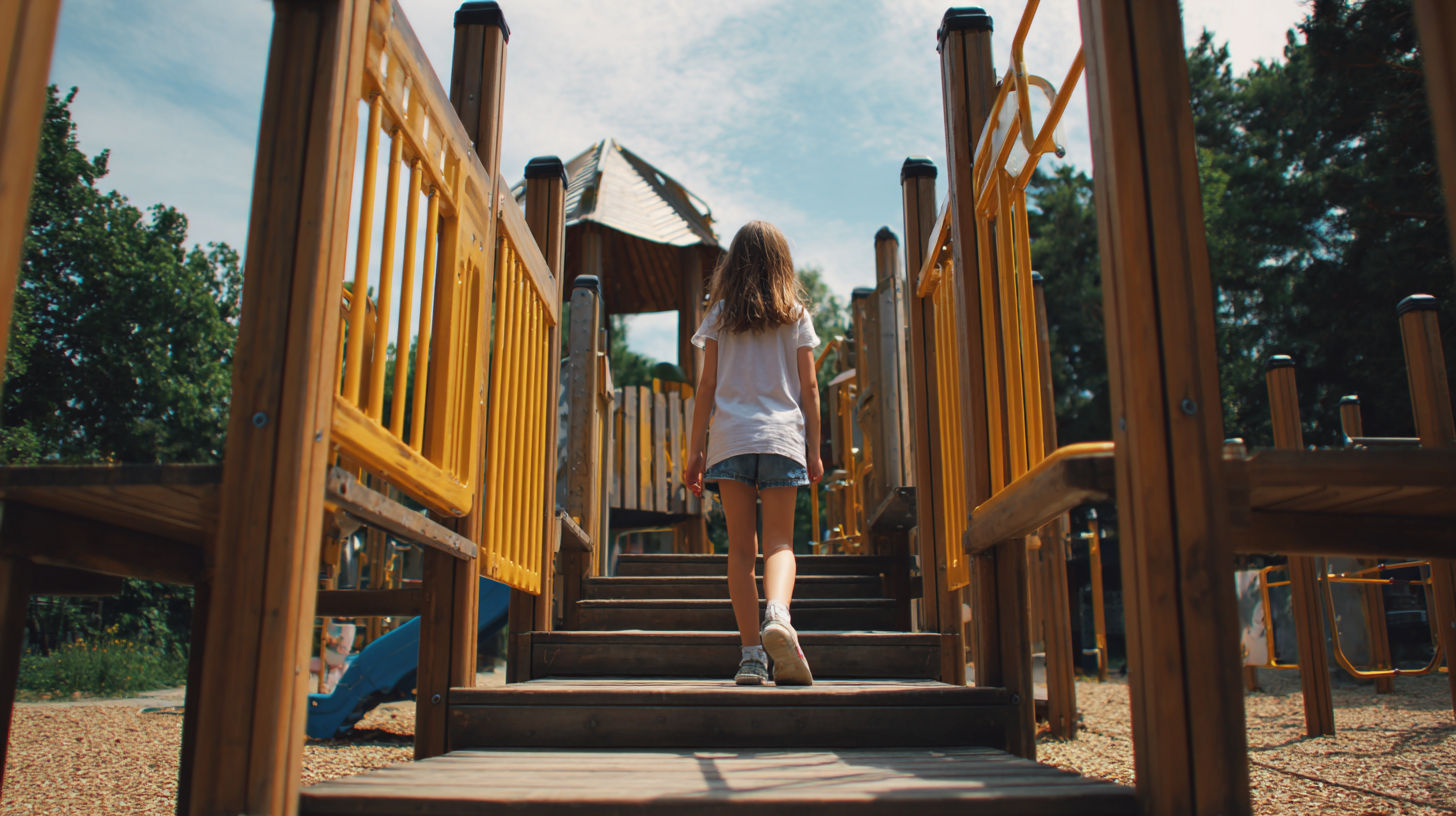
Active play in children's playparks serves as a crucial element in promoting physical development. Engaging in activities such as climbing, swinging, and running not only enhances children's motor skills but also strengthens their muscles and improves coordination. These facilities are designed to cater to a range of physical activities that encourage children to test their limits and explore their physical capabilities. As they navigate various play structures, children build confidence in their physical abilities, leading to a greater willingness to participate in more complex activities as they grow.
Moreover, active play in playparks plays a vital role in combating sedentary behavior, which is increasingly prevalent in today’s digital age. By providing a space for dynamic play, these parks foster an environment where children can expend energy, thereby supporting overall health and reducing the risk of obesity. Additionally, the social interactions that occur during playtime promote teamwork and communication skills, which are essential for physical and emotional development. Through these interactions, children learn to share, negotiate, and resolve conflicts, all while staying physically active, contributing to their holistic development.
Benefits of Physical Development Through Active Play in Children's Playparks
Social Interaction and Emotional Growth Fostered by Playground Environments
Playgrounds are essential environments that significantly contribute to children's
social interaction and
emotional growth. According to a report by the
National Recreation and Park Association, children who engage in outdoor play in
playgrounds are 20% more likely to
develop strong social skills. These spaces encourage cooperative play, where kids learn
to communicate, share, and resolve conflicts with peers. Such interactions are crucial
for building friendships and fostering a sense of belonging, which enhances overall
emotial well-being.
Moreover, studies indicate that children who frequently play in structured environments
exhibit better emotional regulation. The
American Academy of Pediatrics highlights that play allows children to express
their feelings, practice empathy, and understand social norms. The collaborative nature
of playground activities helps children navigate complex emotional experiences, thus
promoting resilience. Additionally,
a survey from the American Journal of Play revealed that children who regularly
use playgrounds display a 15%
increase in emotional intelligence compared to
those who do not. Thus, playparks are vital in cultivating not only the physical
abilities of children but also their social and emotional
competencies.
Cognitive Skills Enhancement Through Structured and Unstructured Play Activities
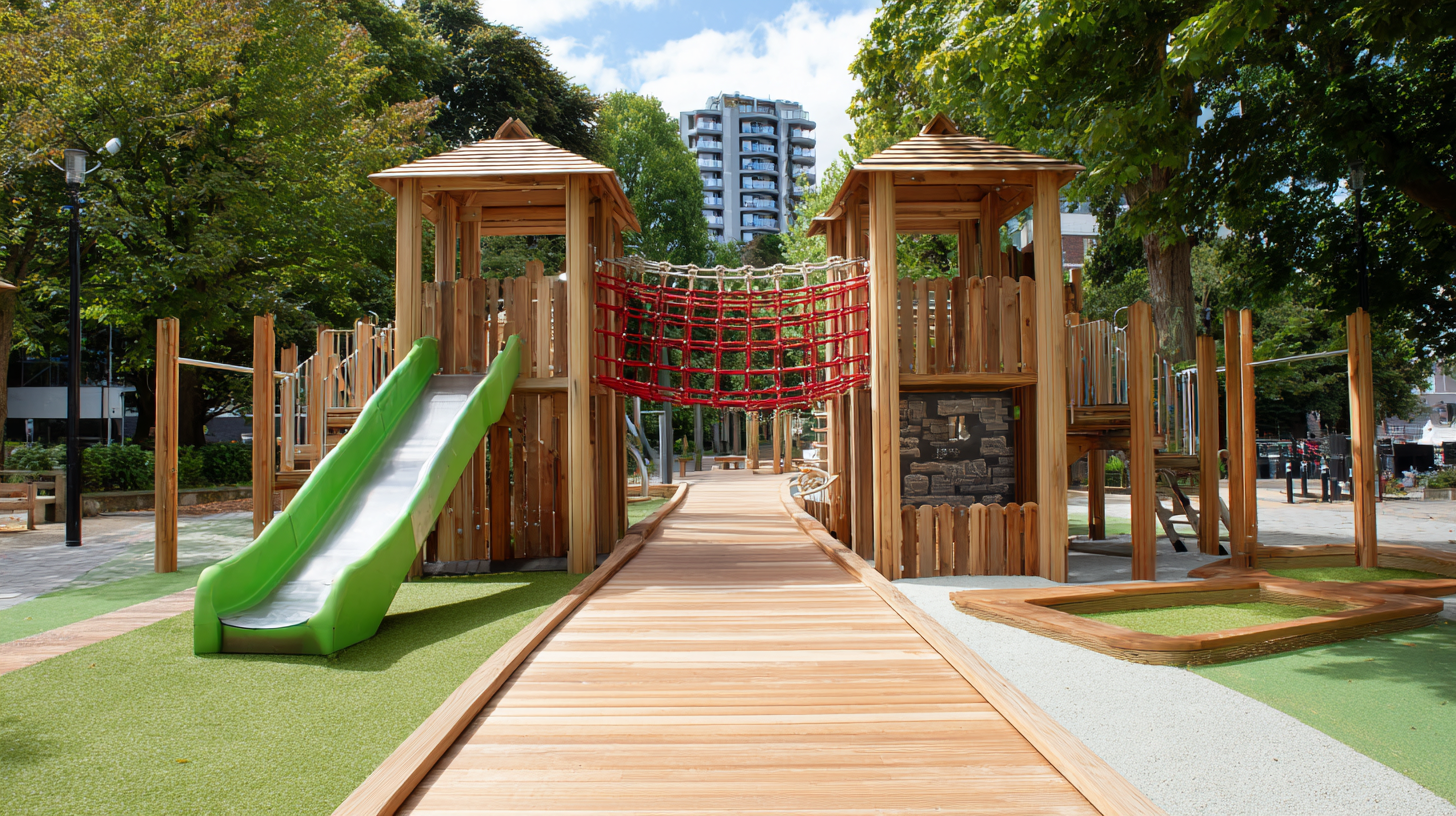 Structured and unstructured play activities in children's playparks are vital for enhancing cognitive development. Research indicates that children who engage in a variety of play, including imaginative and role-playing games, demonstrate improved problem-solving abilities and creativity. According to a report by the American Academy of Pediatrics, unstructured play can lead to increased social skills and emotional intelligence, as children learn to negotiate roles and collaborate with peers. Additionally, structured activities, such as team sports and games with specific rules, have been shown to boost concentration and memory, as they require children to follow directions and think critically about strategies.
For parents and caregivers, encouraging diverse play experiences in parks can significantly enrich a child's learning.
Tip 1: Allow your child to explore different types of play, from climbing structures to arts and crafts areas, to stimulate various cognitive skills.
Tip 2: Join in on the fun; participating in play can provide opportunities for teaching children about teamwork and communication.
By engaging in both structured and unstructured play, children can develop essential cognitive skills that lay the foundation for lifelong learning.
The Role of Nature and Outdoor Elements in Promoting Child Well-being
The Role of Nature and Outdoor Elements in Promoting
Child Well-being
Engaging with nature is paramount for children's holistic development,
and playparks that incorporate outdoor elements provide an excellent solution. According to research published
by the American Academy of Pediatrics, children who spend more time outdoors exhibit improved
focus and cognitive functioning. This connection to nature fosters creativity and reduces stress levels,
which are crucial for emotional well-being.
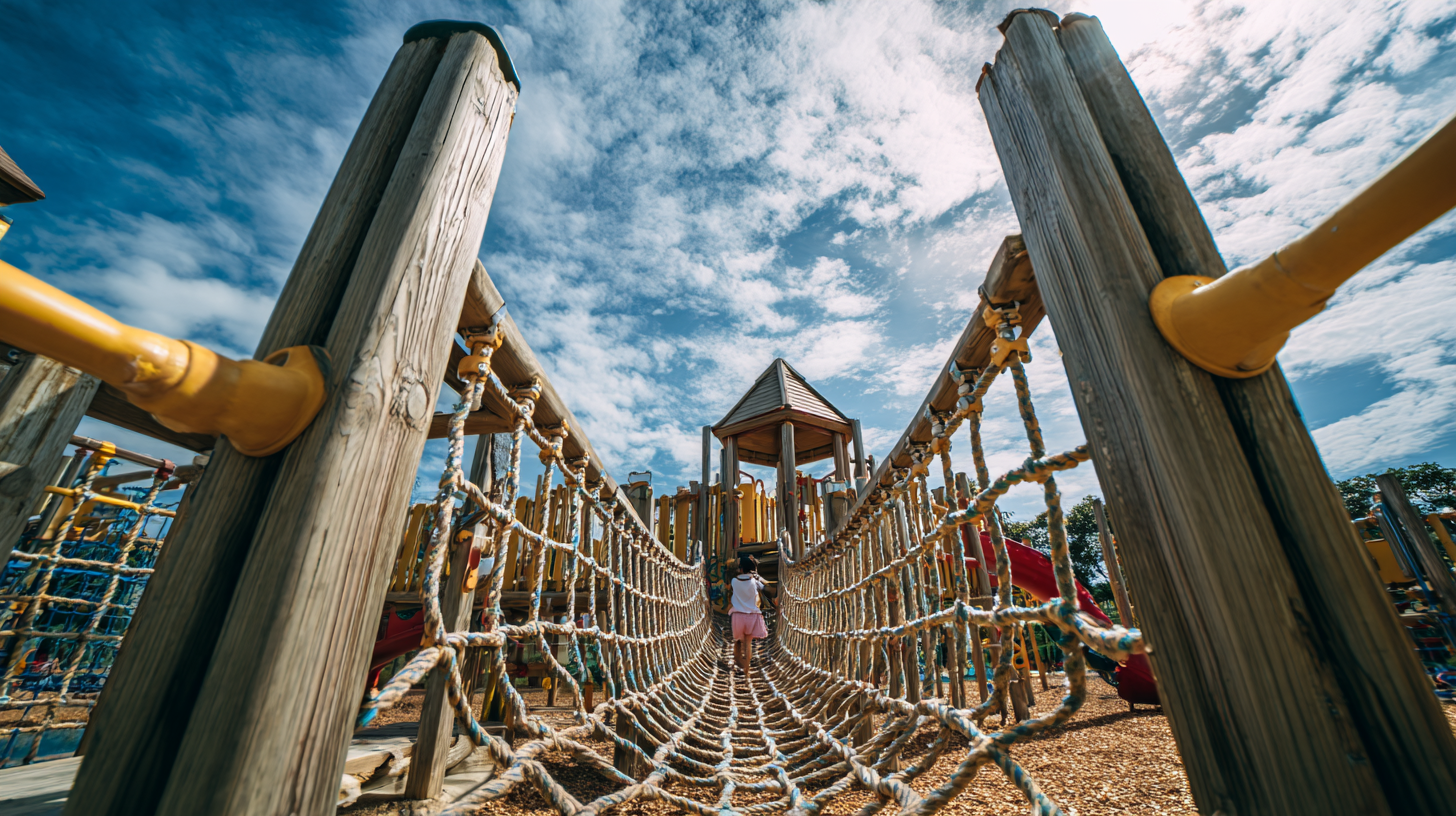 Natural play environments encourage children to explore, problem-solve, and interact socially, skills that
are built through unstructured play.
Natural play environments encourage children to explore, problem-solve, and interact socially, skills that
are built through unstructured play.
Moreover, the 2017 National Recreation and Park Association report
highlights that exposure to natural settings leads to increased physical activity among children, combating
rising obesity rates. With 1 in 5 children in the U.S. classified
as obese, outdoor playgrounds play a critical role in promoting a healthier lifestyle. The incorporation
of elements such as trees, rocks, and water not only enhances the aesthetics of playparks but also
encourages imaginative play, significantly contributing to a child's emotional and social development.
These experiences instill a sense of well-being, allowing children to thrive both physically and mentally
in their formative years.
Research Findings on Long-term Health Benefits Linked to Regular Playground Use
Regular playground use significantly contributes to children's long-term health and well-being, as highlighted by numerous studies in child development. According to the National Playground Safety Institute, children who engage in outdoor play at playgrounds demonstrate improved physical fitness, which is crucial for combating rising obesity rates among youth. The Centers for Disease Control and Prevention (CDC) reports that nearly one in five school-aged children are considered obese, making the necessity for active play areas more pertinent than ever. By facilitating regular physical activity, playgrounds encourage children to develop healthy habits that can mitigate these alarming trends.
Beyond physical health, the psychological benefits of playground use are equally profound. A study published in the Journal of Environmental Psychology shows that children who play outside exhibit lower levels of stress and anxiety compared to their peers who engage in sedentary activities. These findings are corroborated by a report from the American Academy of Pediatrics, which emphasizes that outdoor play fosters creativity, social skills, and a sense of belonging among children. By integrating regular visits to playparks into their routines, families can effectively enhance not just the physical development of their children but also their emotional and social well-being for years to come.
Exploring the Benefits of Children's Playparks: How Playgrounds Boost Child Development and Well-being
| Aspect of Development |
Short-term Benefits |
Long-term Benefits |
Recommended Playtime (hours/week) |
| Physical Development |
Improved motor skills |
Reduced obesity risk |
5-10 |
| Social Skills |
Increased social interaction |
Improved teamwork abilities |
4-8 |
| Emotional Development |
Enhanced mood and happiness |
Lower anxiety and depression rates |
3-5 |
| Cognitive Development |
Stimulation of creativity |
Stronger academic performance |
5-7 |
| Healthy Lifestyle |
Establishment of exercise habits |
Long-term cardiovascular health |
7-10 |
 +86-13901441113

 CONTACT NUMBER
 CONTACT NUMBER