Exploring the Benefits of Park Playground Slides: Enhancing Child Development through Play
Play is a vital aspect of childhood development, influencing physical, cognitive, and social growth. Among the numerous features in park playgrounds, the park playground slide stands out as a beloved attraction that offers a plethora of benefits to children. According to the National Association for the Education of Young Children (NAEYC), engaging in outdoor play can enhance fine and gross motor skills, foster creativity, and promote social interaction among peers.
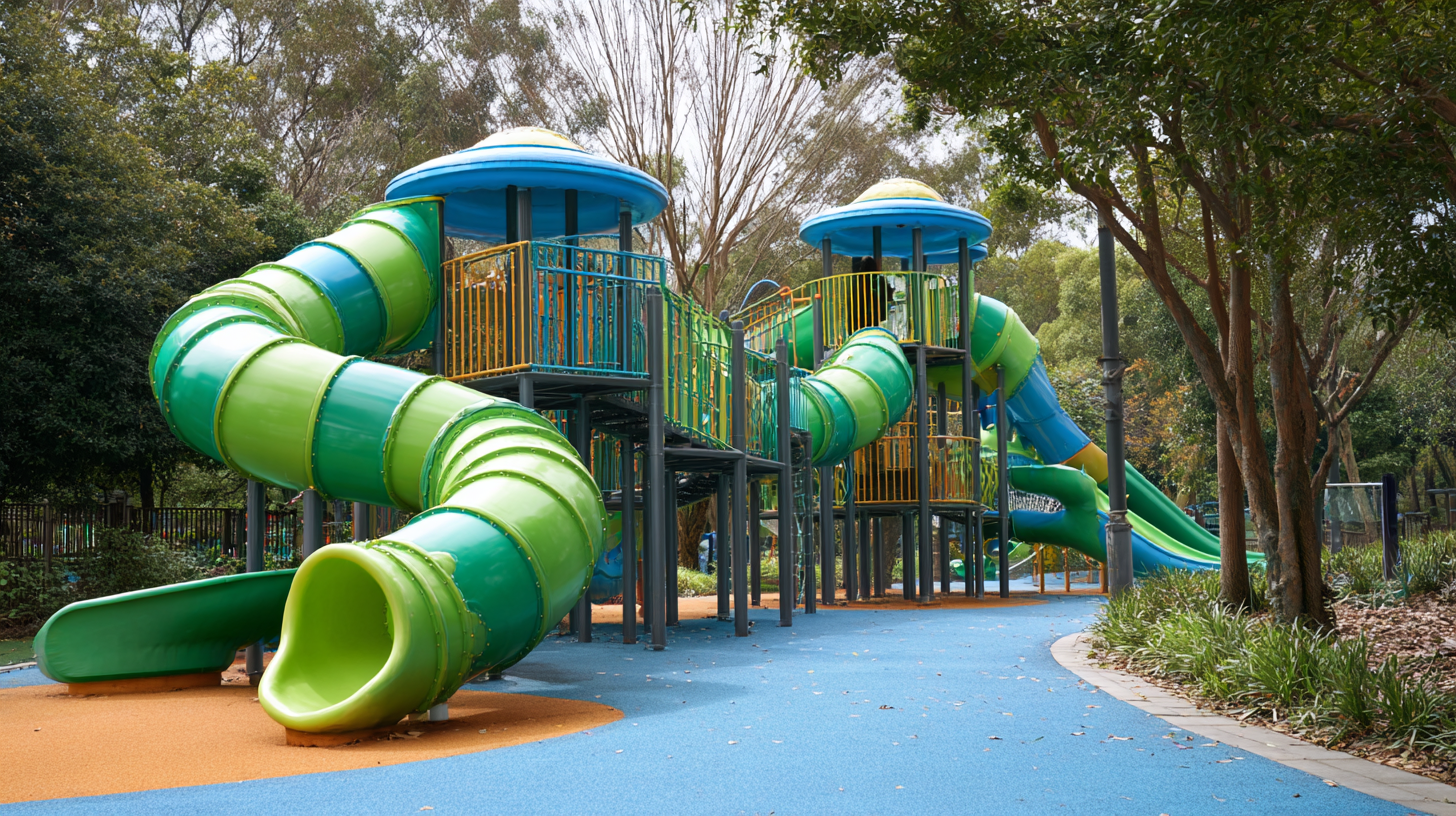 Slides, in particular, encourage children to climb, balance, and experience the thrill of sliding down, thereby contributing to their physical agility and confidence.
Research from the American Academy of Pediatrics shows that outdoor play not only helps in developing physical health but also significantly boosts children's mental well-being. The exhilarating experience of using a park playground slide can stimulate sensory exploration and risk assessment, essential components of healthy childhood play. Furthermore, studies indicate that when children engage in play with peers, they develop important social skills such as cooperation, sharing, and empathy, reinforced by the shared joy of sliding down together. Incorporating more park playground slides into community spaces can ensure that children have access to environments that support holistic development through active and imaginative play.
Understanding the Role of Slides in Early Childhood Development
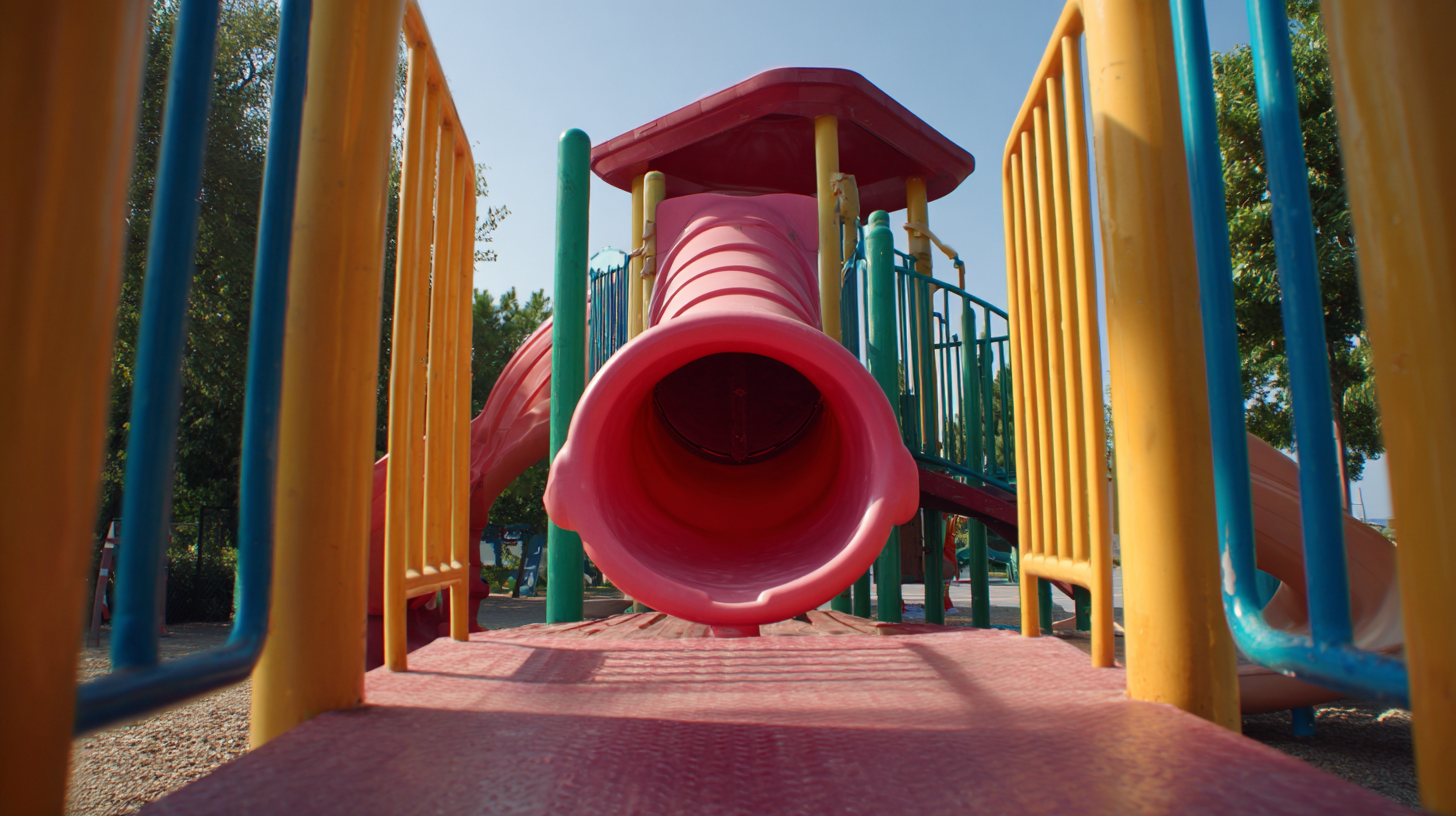 Play is an essential aspect of early childhood development, and playground slides play a crucial role in facilitating this process. Research indicates that engaging in play activities, such as sliding, can significantly enhance physical, cognitive, and social skills in young children. According to a report from the National Association for the Education of Young Children (NAEYC), outdoor play environments, including slides, contribute to children's gross motor skills development, helping them gain strength, coordination, and balance.
Moreover, slides can stimulate cognitive development by encouraging problem-solving and risk assessment. When children navigate the experience of climbing up and sliding down, they learn to make decisions about their movement and understand concepts of speed and gravity. A study published in the American Journal of Play highlights that play equipment, such as slides, promotes not only physical agility but also social interactions. As children take turns, share the slide, and communicate with peers, they develop vital social skills that are foundational for their future relationships. The integration of slide play in early childhood education thus serves as a vital tool in nurturing holistic development in young children.
Promoting Physical Fitness through Playground Slide Activities
Playground slides are more than just a source of entertainment; they play a crucial role in promoting
physical fitness for children. When children engage in sliding activities,
they not only experience excitement and joy but also develop essential motor skills. The act of climbing to the
top of a slide helps enhance strength, coordination, and balance. As children ascend the ladder and navigate
the slide, they engage various muscle groups, which contributes to overall physical fitness.
In addition to building physical strength, playground slide activities encourage cardiovascular health.
The thrill of sliding down a slope can motivate children to be more active, fostering a love for movement that
extends beyond the playground. Repeatedly climbing and sliding boosts heart rate and promotes stamina,
ultimately instilling healthy habits that can last a lifetime. Furthermore, these activities can improve
social skills, as children often take turns and play together,
learning the importance of teamwork and cooperation while being active.
Enhancing Social Skills and Cooperation via Slide Play
Recent studies highlight the vital role of playgrounds in fostering children's social skills and cooperation. Engaging in slide play, in particular, provides opportunities for children to interact, negotiate, and build friendships. Research indicates that outdoor play contributes significantly to children's social-emotional health, facilitating cooperative play and symbolic activities. A study revealed that children who engage in structured play, like using slides, show improved abilities to get along with peers and navigate social interactions, essential components in developing emotional intelligence.
Moreover, the benefits of play extend beyond mere fun; they are deeply integrated into children's overall development. According to findings on play-based learning, such activities enhance children's planning, organization, and emotional regulation. Playgrounds are uniquely positioned to support these outcomes, serving as a microcosm of social interactions where children learn to cooperate and resolve conflicts. By incorporating design thinking into the playground experience, educators can further enrich these interactions, creating environments that promote not only physical activity but also important life skills and emotional competencies.
Fostering Cognitive Growth with Creative Slide Experiences
Play is an essential facet of childhood development, dramatically enhancing cognitive growth through engaging activities like slides in park playgrounds. According to the American Academy of Pediatrics, play nurtures critical thinking, problem-solving, and creativity, laying the groundwork for lifelong learning. Slides offer children unique experiences that encourage exploration and imaginative play, fostering their ability to think creatively. Research indicates that children engaging in play-based learning exhibit increased focus and enthusiasm, which are critical components of cognitive development.
Tip: Encourage children to invent their own sliding games, such as racing against friends or creating stories around their sliding adventures. This not only enhances their creativity but also promotes social interaction, allowing them to practice communication skills in a fun environment.
The benefits of slides also align with trends in education emphasizing the integration of arts and creativity into learning. As reported in various studies, exposure to creative outlets significantly boosts essential skills for the 21st century, including innovation and imagination. By incorporating play experiences like slides, children can cultivate these skills, preparing them for future educational and professional landscapes.
Tip: Facilitate creativity by providing various sliding challenges, such as different speed levels or obstacle courses, which help children learn to adapt and think critically in dynamic scenarios.
Ensuring Safety and Accessibility in Playground Slide Design
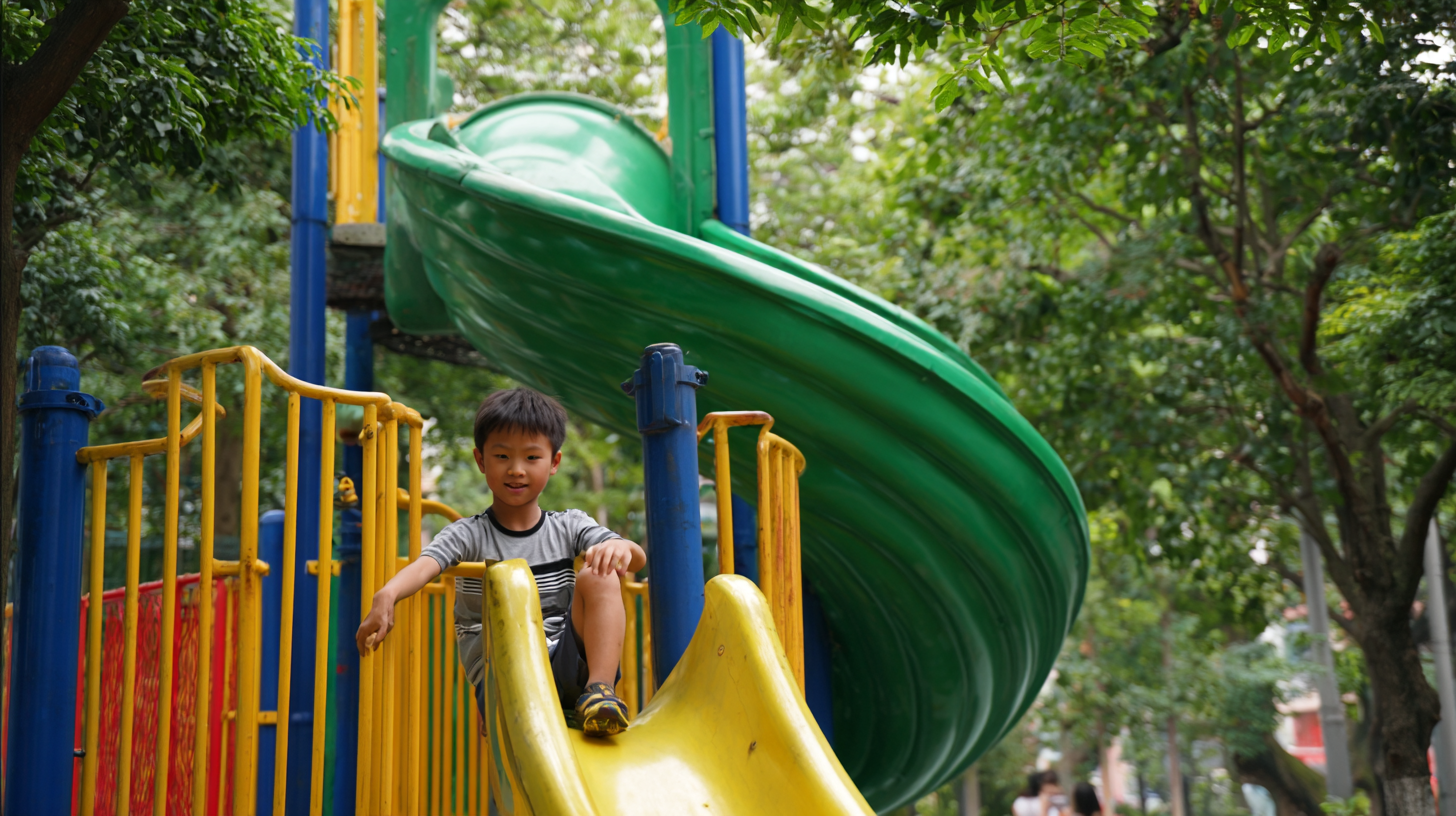
When designing playground slides, ensuring safety and accessibility is paramount to promoting an enriching play environment for children. A well-designed slide should have smooth edges and durable materials to minimize the risk of injury. Additionally, the height and slope of the slide should be carefully calculated to suit various age groups, allowing younger children to engage safely while encouraging adventurous play for older kids. Clear signage that communicates safety guidelines can further help caregivers supervise children effectively, thereby enhancing the overall safety of the playground experience.
Accessibility also plays a crucial role in slide design, allowing children of all abilities to enjoy the playground fully. Incorporating features such as wider platforms, gentle inclines, and transfer points for children with mobility challenges can make a significant difference. Furthermore, incorporating tactile and sensory elements can enhance the experience for children with disabilities, ensuring that playtime is inclusive and enjoyable. Creating an environment where every child can participate not only fosters social interaction but also promotes a sense of belonging within the community. Hence, prioritizing safety and accessibility in playground slide design is essential for holistic child development through play.
Exploring the Benefits of Park Playground Slides: Enhancing Child Development through Play - Ensuring Safety and Accessibility in Playground Slide Design
| Dimension |
Description |
Benefits |
Safety Features |
Accessibility Measures |
| Physical Development |
Slides promote gross motor skills as children climb, slide, and balance. |
Improves coordination and strength. |
Rounded edges, non-slip surfaces, and secure handrails. |
Transfer platforms for wheelchairs and clear pathways. |
| Social Interaction |
Slides encourage children to play together, fostering friendships. |
Enhances communication and teamwork skills. |
Regular maintenance checks and visible safety signage. |
Wide entrances and multi-use designs to accommodate all kids. |
| Cognitive Development |
Using slides helps children learn about risk and reward. |
Stimulates problem-solving and decision-making abilities. |
Clear height guidelines and age-appropriate designs. |
Visual cues for children with sensory processing needs. |
| Emotional Development |
Sliding provides a thrilling experience that boosts self-esteem. |
Encourages risk-taking in a safe environment. |
Soft landing areas and appropriate slide heights. |
Inclusive designs that allow all children to participate. |
 +86-13901441113

 CONTACT NUMBER
 CONTACT NUMBER