Top 10 Benefits of Park Slides for Child Development and Outdoor Fun
When it comes to children's play, few things embody joy and excitement as much as park slides. These playground staples not only provide endless fun but also play a crucial role in child development. According to Dr. Emily Johnson, a renowned child development expert and author of "Playful Learning," "Park slides help children hone their physical skills, build confidence, and foster social interactions." These essential elements of play are vital for healthy growth, making park slides far more than just a simple entertainment option.
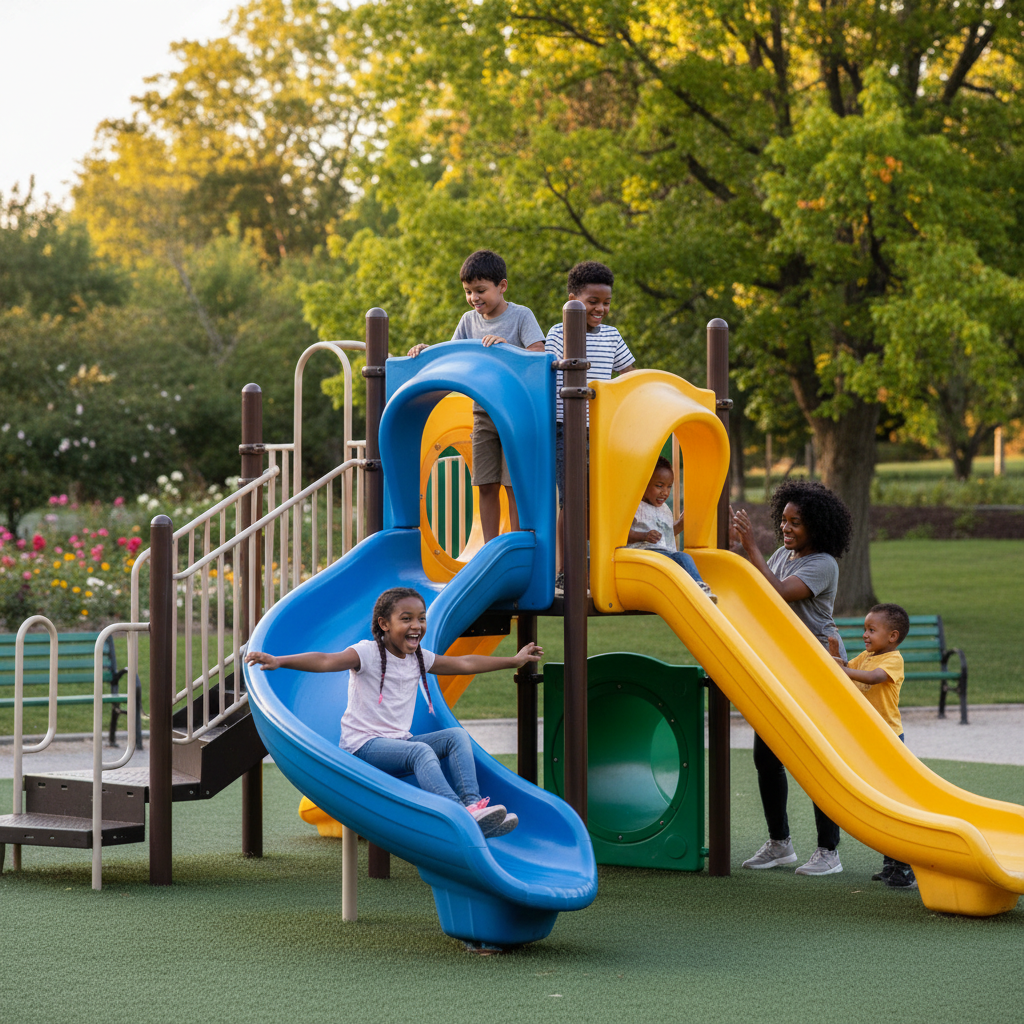
The benefits of park slides extend beyond the immediate thrill of sliding down. They encourage children to engage in physical activity, which aids in their motor skills development and overall fitness. Slides also serve as a social hub where children can gather, communicate, and learn the importance of sharing and taking turns. As they navigate the challenges of climbing up and sliding down, children strengthen their problem-solving skills and risk assessment abilities, all critical components of formative childhood experiences.
In this article, we will explore the top 10 benefits of park slides, shedding light on how these seemingly simple structures contribute to a child's physical, emotional, and social development. From building courage to enhancing coordination, the positive impact of park slides is undeniable. Let’s dive into the remarkable advantages that these playground attractions bring to children's lives and playtime adventures.
The Role of Park Slides in Enhancing Physical Skills in Children

Park slides play a crucial role in enhancing children's physical skills and overall development. By encouraging children to climb and slide, these structures facilitate the improvement of gross motor skills, balance, and coordination. Engaging in sliding activities requires children to utilize various muscle groups, promoting strength and endurance. Moreover, the thrill of sliding down a slope fosters confidence and risk-taking, as children learn to navigate their physical limits in a safe environment.
Outdoor play areas, including parks with slides, also cultivate social skills. Children engage with peers while waiting their turn, sharing the equipment, and collaborating in imaginative play. These interactions not only enhance their communication skills but also help them develop empathy and teamwork. Recently inaugurated playgrounds in various communities emphasize inclusive play, providing fun and safe settings for all children, including those with disabilities. By fostering an environment where children can play together, park slides contribute significantly to their social and physical growth.
Fostering Social Interaction Through Play on Park Slides
Park slides play a vital role in fostering social interaction among children, an essential component of their development. According to a study from the National Association for the Education of Young Children (NAEYC), cooperative play, such as that experienced on slides, enhances children’s social-emotional health by encouraging teamwork and communication. When multiple children engage together on park slides, they learn to negotiate and share, which builds their social skills and emotional intelligence.
Research indicates that outdoor play is particularly effective in promoting these skills. A report by the American Academy of Pediatrics highlights that unstructured outdoor play positively affects children's mental health, allowing them to develop resilience and interpersonal skills. New inclusive playgrounds, like O.T. Sloan Park, have been designed to accommodate all children and encourage peer interactions, demonstrating that access to inclusive play spaces is crucial for fostering community spirit and social bonds. By integrating features that promote group play, park slides not only provide physical fun but also serve as a platform for meaningful social experiences.
Encouraging Risk-Taking and Confidence-Building in Young Explorers
Park slides play an essential role in child development, particularly when it comes to encouraging risk-taking and building confidence in young explorers. As children climb to the top of a slide, they face a small yet significant challenge that requires them to assess their abilities and take a leap of faith. This process not only bolsters their physical skills but also helps them develop crucial cognitive and emotional capacities. By experiencing the thrill of sliding down, children learn to embrace new experiences and navigate the fine line between fear and excitement.
Moreover, engaging with park slides fosters a sense of accomplishment in children. Each successful slide down can reinforce their self-esteem and motivate them to try out other playground equipment. The social aspect of playing on slides with peers also enhances their confidence as they cheer each other on and share in the excitement. This communal aspect instills a sense of belonging, further enabling children to take risks, explore their boundaries, and ultimately grow into resilient individuals who are unafraid to step out of their comfort zones.
Top 10 Benefits of Park Slides for Child Development and Outdoor Fun
| Benefit |
Description |
Age Group |
Developmental Skill |
| Physical Activity |
Slides encourage children to engage in physical play, promoting overall fitness. |
2-10 years |
Gross Motor Skills |
| Social Interaction |
Using slides often occurs in groups, fostering friendships and teamwork. |
3-8 years |
Social Skills |
| Confidence Building |
Successful sliding experiences can enhance a child's self-esteem. |
4-10 years |
Emotional Development |
| Risk Assessment |
Children learn to evaluate risks, leading to better safety awareness. |
4-8 years |
Cognitive Skills |
| Imaginative Play |
Slides can inspire imaginative scenarios, enhancing creativity. |
4-10 years |
Creativity |
| Coordination |
Climbing and sliding improve hand-eye coordination and balance. |
3-7 years |
Fine and Gross Motor Skills |
| Stress Relief |
Physical play like sliding helps reduce anxiety and stress in children. |
6-10 years |
Emotional Well-being |
| Parent-Child Bonding |
Playing on slides together can strengthen bonds between parent and child. |
All ages |
Relationship Skills |
| Development of Patience |
Waiting for turns on the slide teaches patience and frustration management. |
3-8 years |
Emotional Development |
The Importance of Outdoor Play in Boosting Mental Well-Being
Outdoor play is crucial for enhancing mental well-being in children. Research indicates that children who engage in outdoor activities are less likely to experience symptoms of anxiety and depression. According to a report by the American Academy of Pediatrics, outdoor play can improve mood and reduce stress, offering kids a natural way to boost their mental health. Park slides not only provide excitement but also encourage social interactions, which are essential for developing emotional intelligence.
To maximize the benefits of outdoor play, parents can implement a few simple tips. First, designate specific times for outdoor activities, making them a regular part of the family routine. This not only fosters consistency but also helps children learn about time management. Additionally, encourage your child to invite friends to join in on the fun. Socializing with peers while playing on park slides creates a supportive environment, which enhances communication skills and builds confidence.
Moreover, it's beneficial to allow children to explore playground equipment in a safe environment. This freedom can lead to improved problem-solving skills as they navigate challenges and assess risks. Encouraging imaginative play by incorporating different games and activities at the park can further stimulate creativity and cognitive development. The blend of fun and outdoor exploration plays a significant role in promoting holistic child development.
Creative Play: How Slides Inspire Imagination and Storytelling in Kids
Slides are not just playground equipment; they serve as catalysts for creativity and imaginative play in children. When kids climb to the top of a slide, they are often transported into a world of their own making. The act of sliding down can be transformed into thrilling adventures, from racing down a mountain to escaping from dinosaurs or sailing on a pirate ship. This ability to reframe their experience encourages storytelling, as children narrate their journeys and express their thoughts through play.
Moreover, the interaction with peers on slides further enhances their storytelling skills. As they take turns climbing up and sliding down, they share their imaginative scenarios and collaboratively build narratives. This social play allows children to negotiate roles and create shared adventures, fostering communication and cooperation. The spontaneity of sliding also facilitates a sense of freedom and exploration, inspiring kids to dream up new tales, fostering their creativity, and reinforcing their cognitive development in a fun, engaging environment.
 +86-13901441113

 CONTACT NUMBER
 CONTACT NUMBER