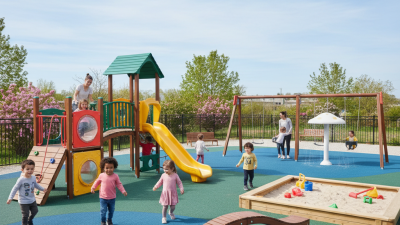
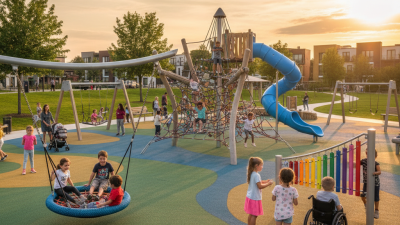
Best Playground Nursery Ideas for Modern Learning Spaces?
Creating a modern Playground Nursery is more than just aesthetics. It focuses on fostering creativity and development in early childhood. A recent report by the National Association for the Education of Young Children states that 75% of early educators see the value in outdoor learning environments. This highlights the need for well-designed playground nurseries.
Expert Jamie Thompson, an advocate for innovative school designs, once said, “Playgrounds should be learning laboratories.” This perspective emphasizes the importance of integrating play with education. In this framework, children explore, engage, and grow in ways that traditional classrooms cannot offer.
As we explore various ideas for modern Playground Nursery designs, we must reflect on the balance between fun and functionality. Each element should encourage imagination and social interaction, while also being safe and sustainable. Reassessing and improving our current playground nursery setups can lead to significant benefits in child development.
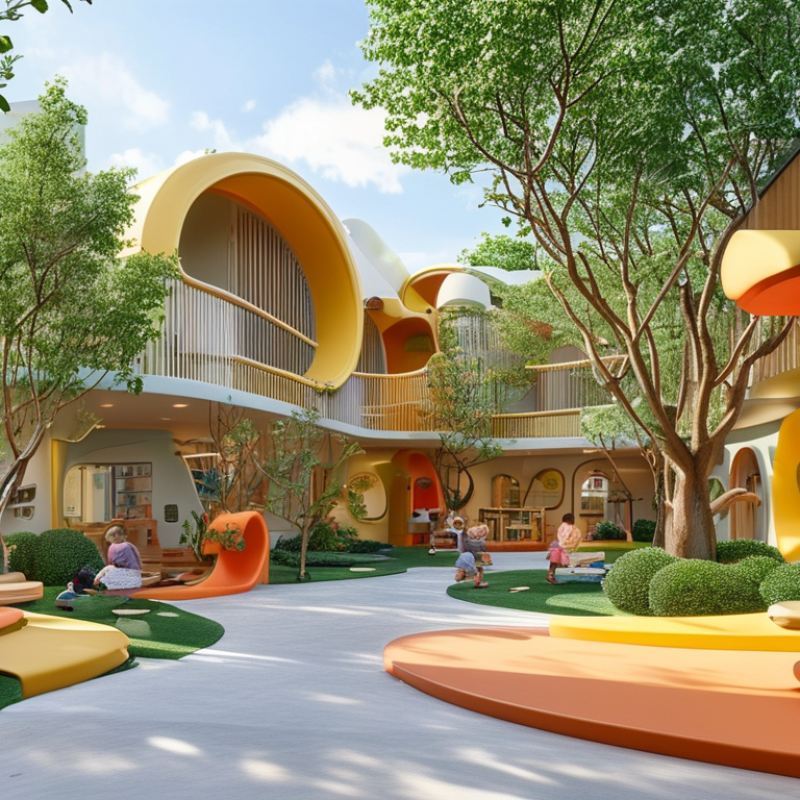
Innovative Design Elements for Modern Playground Nurseries
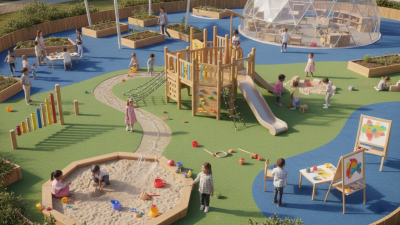
Creating modern playground nurseries involves integrating innovative design elements that enhance learning and play. A successful design promotes exploration and creativity. Natural materials can foster a sense of connection to the environment. Incorporating loose parts, like wooden blocks or ropes, encourages children to engage in open-ended play. This flexibility allows for diverse activities, promoting problem-solving skills.
Tips for enhancing playground nurseries: Use vibrant colors to stimulate creativity. Spaces should encourage movement, like climbing walls or balance beams. Design areas for quiet reflection, such as shaded nooks with soft seating. These features cater to different learning styles and needs.
Balancing aesthetics with functionality is crucial. While unique structures attract attention, consider their practicality. Ensure safety while maintaining an inviting atmosphere. Evaluate how children interact with these spaces. Are they fully engaged or hesitant? Reflect on these interactions to refine your design. Look for feedback to improve the overall experience.
Best Playground Nursery Ideas for Modern Learning Spaces
| Design Element |
Description |
Benefits |
Examples |
| Natural Materials |
Use of wood, stone, and plants |
Promotes sensory experiences and connection to nature |
Wooden climbing structures, stone pathways |
| Flexible Spaces |
Areas that can be reconfigured for different activities |
Encourages creativity and adaptability |
Movable furniture, modular play equipment |
| Interactive Installations |
Elements that engage children in active learning |
Enhances cognitive skills through play |
Musical instruments, science stations |
| Nature-Inspired Play |
Incorporation of natural elements in play structures |
Encourages exploration and physical activity |
Treehouses, boulder climbing areas |
| Sensory Zones |
Dedicated areas for tactile and auditory experiences |
Supports sensory development and regulation |
Water features, sandboxes, musical panels |
Incorporating Nature: Biophilic Design in Play Spaces
Incorporating nature through biophilic design can transform play spaces for children's learning. Studies suggest that children benefit from natural elements. For example, a report by the University of Exeter found that exposure to greenery can improve concentration by 20%. Children thrive in environments that connect them with the outdoors. Including plants, water features, and natural materials can create spaces that stimulate imagination.
Playgrounds designed with biophilic principles often result in better social interactions. A survey by the National Association for the Education of Young Children noted that outdoor play spaces promote collaboration among children. They encourage teamwork and communication. However, many modern play areas still lack sufficient natural elements. This is a missed opportunity to enhance developmental benefits.
Creativity should be at the forefront of designing these spaces. Not all designs have successfully integrated nature. Some playgrounds appear overly structured and artificial. The challenge lies in balancing fun and educational aspects. Reflecting on the outcome, communities must prioritize nature to create inviting, beneficial environments for children.
Flexible Learning Zones: Adaptable Areas for Diverse Activities
Creating flexible learning zones in playground nurseries is vital for modern education. These adaptable spaces can accommodate various activities, providing children with opportunities to explore, collaborate, and learn. With a focus on active play, these zones encourage creativity and physical development.
Incorporating movable furniture allows for quick reconfigurations. Children can rearrange tables and chairs for different tasks. Soft seating areas serve as great spots for storytelling or group discussions. These elements foster independence and decision-making. However, without guidance, kids might struggle to utilize the space effectively. Educators should encourage experimentation while providing a framework for their explorative journeys.
Designing an inviting atmosphere is also important. Natural light and colorful decorations inspire curiosity. Outdoor spaces enhance this experience by blending nature with play. Yet, it’s essential to recognize that some children may feel overwhelmed in open environments. Balancing open areas with cozy nooks can cater to individual preferences. This way, all children can find their comfort and thrive within the play-based learning framework.
Safety and Accessibility: Key Considerations in Playground Design
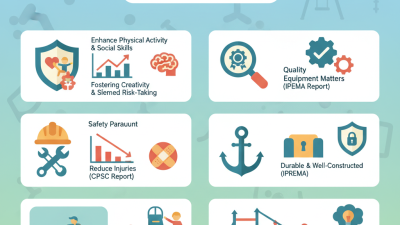
When designing modern playgrounds, safety and accessibility should take precedence. Recent studies show that over 200,000 children visit emergency rooms in the U.S. each year due to playground injuries. This statistic underscores the need for equipment that meets safety standards. Features like rounded edges and non-slip surfaces can significantly reduce the risk of accidents.
Accessibility is equally crucial. The U.S. Access Board states that playgrounds should be inclusive for children of all abilities. This means incorporating wheelchair ramps, adaptive swings, and sensory-rich elements. A survey indicated that nearly 95% of parents believe inclusive playgrounds help children develop social skills. Infrastructure should ensure that all kids can enjoy these spaces.
However, many playgrounds still lack these essential components. A comprehensive evaluation of local playgrounds often reveals inadequate safety features. Likewise, accessibility often falls short. It's time to rethink our playground designs, ensuring that they truly cater to the diverse needs of every child, allowing for both safety and inclusivity.
Engaging Educational Features: Tools for Enhanced Learning Experiences
Creating engaging educational features in playground nurseries can transform learning spaces. Incorporating sensory play areas can significantly enhance children's development. These spaces encourage exploration through touch, sound, and sight. Natural materials like wood and sand can stimulate creativity and provide open-ended play opportunities.
Tips: Consider adding a garden section. This allows children to engage with nature directly. Planting seeds can teach responsibility. Observation fosters patience as they watch plants grow.
Outdoor classrooms are another excellent feature. They promote hands-on learning in a fresh environment. Children can participate in science experiments or art projects outside, connecting lessons to the world around them. Open-air settings stimulate dialogue and collaboration among peers.
However, striking a balance is crucial. Too many features can overwhelm. Not every child enjoys the same type of play, and some may feel left out. Observation is key. Understanding individual needs can lead to better design choices. Each space should evolve based on feedback and experiences.
 +86-13901441113

 CONTACT NUMBER
 CONTACT NUMBER