10 Best Outdoor Play Slides for Endless Fun in Your Backyard?
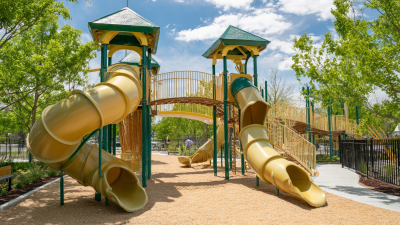
Outdoor Play Slides have become a staple in many backyards, providing endless fun for children. Dr. Emily Johnson, a renowned child development expert, emphasizes their importance: "Slides stimulate physical activity and social interaction among kids." These slides transform ordinary outdoor spaces into vibrant play areas.
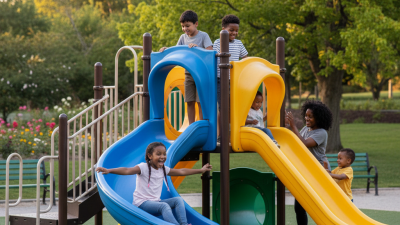
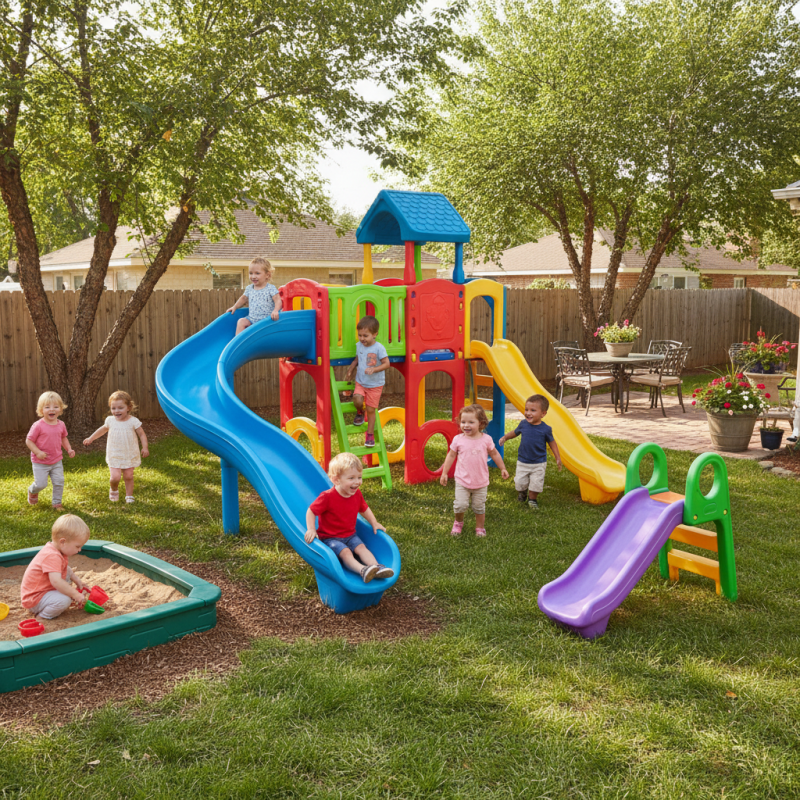
Imagine your backyard filled with laughter as kids climb and slide down brightly colored structures. Outdoor Play Slides not only enhance physical skills but also encourage imaginative play. They can create precious memories for families. However, choosing the right slide can be challenging. The market is flooded with options that may not suit every family's needs.
Some slides might not be safe for younger children, leading to potential concerns. Others may wear down quickly, requiring replacements sooner than expected. It's crucial to reflect on these factors before making a purchase. Selecting a durable and safe slide ensures lasting enjoyment and peace of mind. The right choice will provide your children with countless hours of laughter and adventure in your backyard.
10 Factors to Consider When Choosing Outdoor Play Slides for Kids
When choosing outdoor play slides for kids, safety comes first. It’s vital to ensure the slide has rounded edges. Look at the height, too. If it’s too tall for little ones, it can pose risks. Many families overlook the surface material. Smooth plastic is excellent for sliding, but it can get hot in the sun. Ensure there’s enough cushioning at the bottom to break any falls.
Another important factor is weather resistance. Slides need to withstand rain and UV rays. Seeking value is crucial; you want something durable yet fun. Think about the slide’s design. Bright colors attract kids' attention. They’re more likely to play for hours. But consider your space limitations. A large slide can consume your backyard and overshadow other activities.
Children grow quickly, so consider longevity. Modular slides can adapt as kids grow, saving money in the long run. Remember to check installation requirements. Some slides need sturdy anchoring. This aspect often gets ignored on busy weekends. The thrill of sliding should not compromise safety. Balancing fun and practical aspects is essential for a good purchase.
10 Best Outdoor Play Slides for Endless Fun in Your Backyard
This chart represents the average ratings of various outdoor play slides based on factors such as safety, durability, ease of assembly, and fun factor. The ratings are on a scale from 1 to 10, with 10 being the highest rating.
Safety Standards and Regulations for Outdoor Play Equipment
When selecting outdoor play slides, safety should always be the priority. Look for equipment that meets established safety standards. This ensures a safe experience for children. Slides must be designed to prevent accidents, with features like rounded edges and safety grips. Material quality is crucial. Look for slides made of durable plastic that resist fading.
Additionally, age-appropriate equipment should be emphasized. For toddlers, lower slides with gentler slopes are ideal. For older kids, a more adventurous option may be better. But ensure the structure can support their weight. Regular maintenance is necessary. Check for wear and tear regularly. Even small cracks can become hazards.
Furthermore, consider the surrounding area. Sand or soft grass beneath the slide can cushion falls. It’s often overlooked but vital. Parents should be proactive in supervising playtime. Even with the safest equipment, accidents can happen when kids play unsupervised. Therefore, creating a fun yet safe environment is essential for everyone.
Material Comparisons: Plastic vs. Metal Slides for Durability and Safety
When choosing between plastic and metal slides, durability and safety are key factors. Studies show that plastic slides can withstand various weather conditions. They resist fading from sunlight, making them a popular choice for outdoor play areas. A report from the Toy Industry Association states that many plastic slides have a lifespan of up to 10 years. However, they may not hold up against heavy use as well as metal options.
On the other hand, metal slides offer superior strength. They can support larger weights without bending or warping. Yet, they do come with risks. Metal can heat up in the sun, leading to burns. Safety experts recommend checking the temperature of the slide before use. Interestingly, a survey revealed that parents are 40% more concerned about heat injury with metal slides than with plastic ones.
Both materials have their merits. Children often prefer the thrill of metal slides. However, they require more supervision. Parents must balance excitement with safety. Ultimately, the choice depends on personal preferences and yard conditions. Consider the risks and benefits of each type carefully.
10 Best Outdoor Play Slides for Endless Fun in Your Backyard
| Slide Type |
Material |
Durability |
Safety Features |
Weight Limit |
| Straight Slide |
Plastic |
High |
Non-toxic coating |
150 lbs |
| Spiral Slide |
Metal |
Very High |
Rounded edges |
200 lbs |
| wave Slide |
Plastic |
Moderate |
Blunt ends |
120 lbs |
| Double Slide |
Metal |
High |
Heightened sides |
250 lbs |
| Climbing Slide |
Plastic |
Moderate |
Anti-slip surface |
130 lbs |
Benefits of Outdoor Play Slides for Child Development and Exercise
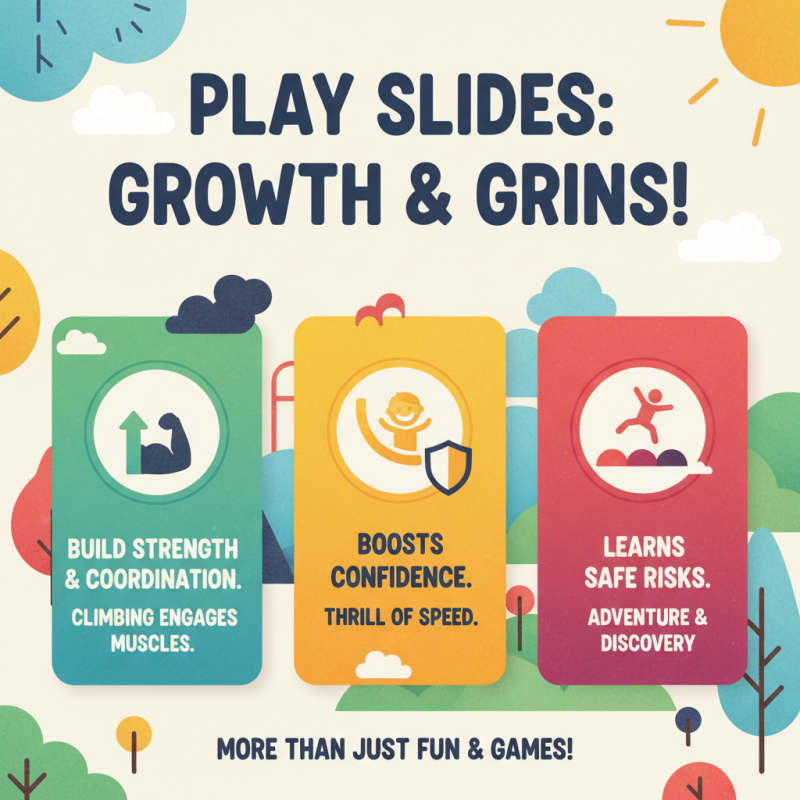
Outdoor play slides are much more than just fun toys. They play a vital role in child development. Climbing up a slide helps kids build strength. It engages their muscles and improves coordination. Sliding down boosts their confidence. The thrill of speed teaches them to take safe risks.
These slides promote social skills too. Children share and play together. They learn to wait their turn and celebrate others' successes. This interaction is vital for emotional growth. However, not all kids may feel comfortable. Some may hesitate to join in. It’s important to encourage them gently.
Additionally, outdoor play slides encourage creativity. Kids can invent their own games. They can create scenarios, turning a slide into a spaceship or a waterfall. Sometimes, supervision is needed to ensure safety. Parents should observe and interact. It’s an opportunity for bonding. However, not every moment will be perfect. Some kids may argue or get frustrated. That’s part of the play experience. It's a chance for growth and learning.
Industry Trends: The Rise of Eco-Friendly and Sustainable Play Slides
The outdoor play equipment industry is undergoing a significant transformation. Recent reports indicate that eco-friendly and sustainable play slides are on the rise. Consumers increasingly prioritize materials that are safe for children and the environment. A survey by the National Association of Play Equipment Manufacturers shows that 78% of parents prefer products made from recycled materials.
Sustainability goes beyond just materials. Innovative design plays a critical role. For example, some manufacturers are using local resources to reduce the carbon footprint. This trend is not merely about reducing plastic waste. It involves creating durable structures that last longer, ultimately providing better value. As children grow, the necessity for flexibility in design becomes apparent. Slides that can adapt to various play styles are essential for continuous enjoyment.
Not all products meet these standards yet. Some slides still feature harmful chemicals. The transition to sustainable options can take time. Parents need to research thoroughly. They must consider safety and environmental impact when choosing outdoor play equipment. Balancing fun with responsibility remains a challenge, but the commitment to creating a greener future is a step in the right direction.
 +86-13901441113

 CONTACT NUMBER
 CONTACT NUMBER