What is a Childrens Playpark and Why Choose One?
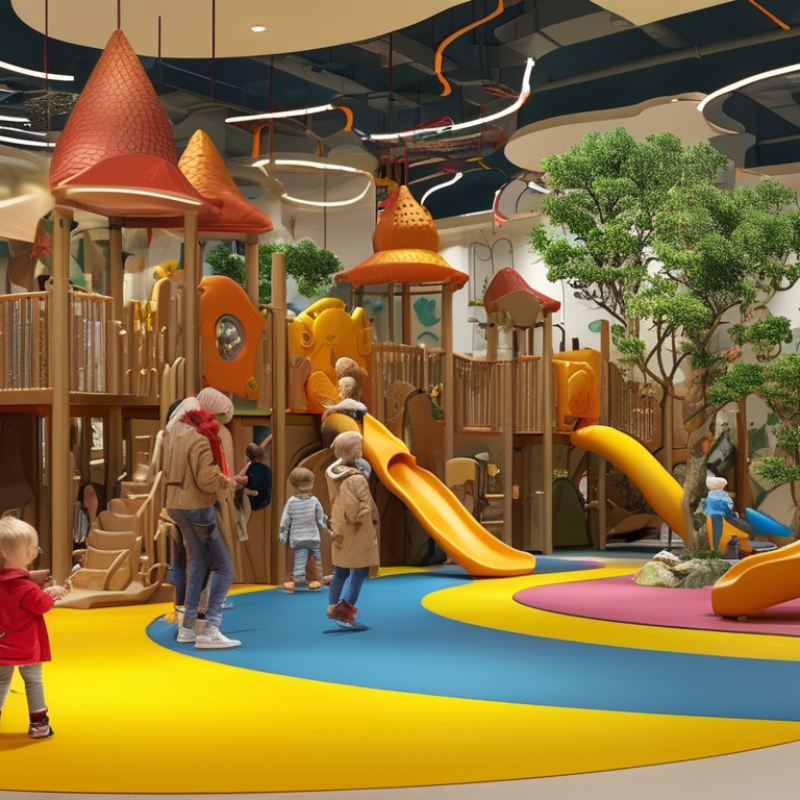
A Children's Playpark is more than just a place for play. It's an environment crafted to foster creativity, social interaction, and physical development. Parents often seek these parks for their safety and variety. When children engage in active play, they explore their surroundings without limits.
These parks commonly feature slides, swings, and climbing structures designed for different age groups. Observing children in such spaces reveals their joy and imagination. Each child's laughter tells a story of adventure and discovery. However, parents should reflect on the importance of active supervision.
Choosing a Children's Playpark is an investment in a child's growth. It offers opportunities for building friendships and developing confidence. Yet, not every playpark meets safety standards. Researching the park’s design and maintenance can lead to better experiences. Parents should prioritize play that is both fun and safe.
What is a Children's Playpark?
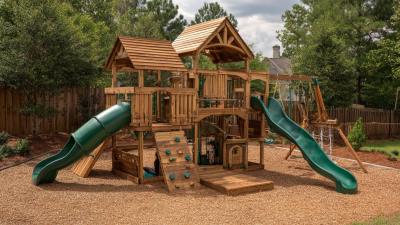
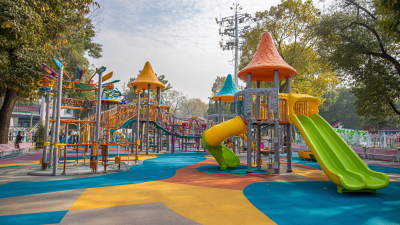
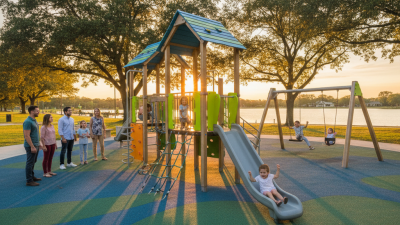
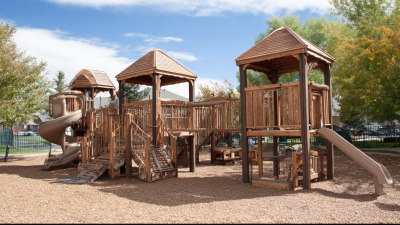
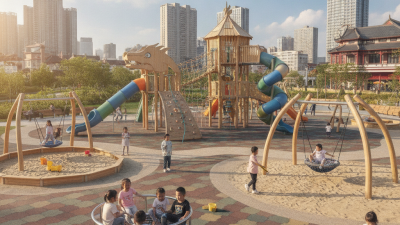
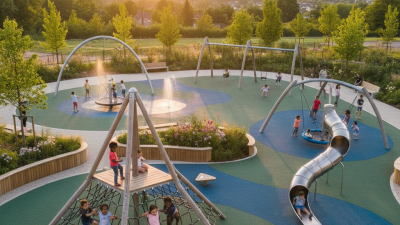
A children's playpark is a specially designed area for young kids to play, explore, and socialize. These parks often feature slides, swings, climbing structures, and open spaces for running. Safety is a priority; soft surfaces and secure equipment help prevent injuries. Playparks encourage physical activity, which is vital for a child's growth and development.
In these vibrant spaces, children not only enhance their motor skills but also learn social skills. They interact with peers, share, and navigate conflicts. However, not all playparks are designed equally. Some may lack adequate supervision or maintenance, leading to safety concerns. Parents should always assess the environment to ensure it's safe and welcoming.
Choosing a children's playpark means looking for engaging equipment, cleanliness, and safety features. A good playpark promotes creativity and fosters friendships. Yet, it's essential to remain critical of the facilities provided. Are the swings too high? Is there enough shade? Reflecting on these aspects can enhance the overall experience for both children and parents alike.
Children's Playpark Popularity by Age Group
This bar chart illustrates the number of children visiting children's playparks across different age groups. The data indicates that ages 3-5 have the highest visitation, suggesting that playparks are particularly popular among preschool-aged children.
Key Features of a Children's Playpark
Children's playparks are designed to promote physical activity and social interaction. A well-planned playpark features safety equipment, diverse play structures, and accessibility. According to a report by the American Academy of Pediatrics, 80% of children need at least one hour of active play each day. Playparks provide that essential environment.
Key features of an effective playpark include a variety of equipment. Swings, slides, and climbing structures cater to different age groups. Inclusive designs allow children of all abilities to engage. A study from the National Recreation and Park Association highlights that parks with varied installations encourage longer visits. Parents appreciate amenities like seating and shade, which enhance their experience.
However, not all playparks meet these standards. Some lack essential safety features or sufficient signage. Inadequate maintenance can deter families from returning. Research shows regular inspections and updates improve safety and usability. Playparks must continuously adapt to meet community needs and preferences. Creating a welcoming space for children remains a challenge that requires ongoing reflection and improvement.
Benefits of Choosing a Children's Playpark
A children's playpark provides a safe environment for kids to explore and engage in physical activity. Research indicates that active play can enhance children's motor skills. According to the American Academy of Pediatrics, active play is crucial for healthy development. A playpark encourages social interaction, allowing children to build relationships with their peers.
Choosing a playpark enhances cognitive development. Studies show that outdoor play stimulates creativity and problem-solving skills. Children face various challenges on play structures, which help them learn to navigate risks. Additionally, 70% of parents report that outdoor play improves their child’s mood and overall well-being.
Engaging with nature plays a vital role in child development. Some parks incorporate natural elements, like trees and streams, fostering a deeper connection to the environment. However, parks should be well-maintained to avoid safety hazards. Through thoughtful design, a children’s playpark can truly cater to the diverse needs of children, promoting both play and learning.
Safety Considerations for Children's Playparks
When considering a children's playpark, safety is paramount. According to the U.S. Consumer Product Safety Commission, more than 200,000 children visit emergency rooms each year due to playground-related injuries. Ensuring that play equipment meets safety standards is essential. Equipment should be age-appropriate, allowing children to explore safely. Soft ground surfaces, such as rubber mats or mulch, can help reduce injury risks.
Tips for parents: Always supervise your children while they play. Teach them to use equipment correctly. Ensure that the playpark is well-maintained, with no broken equipment or hazardous debris.
Moreover, the layout of the playpark plays a crucial role in safety. Open designs allow for better visibility, enabling caregivers to watch multiple children easily. Ensuring proper spacing between equipment helps prevent collisions. Regular inspections are needed to spot potential hazards.
Remember, injuries can occur even in seemingly safe environments. Ask the park staff about their safety protocols. Discuss common behaviors that lead to accidents, such as rough play. Promoting safe practices is vital for enjoyable play experiences.
Different Types of Play Equipment in Playparks
Children's play parks serve as essential spaces for outdoor play and socialization. They are designed to cater to children of various age groups, promoting physical activity and creativity. Different types of play equipment can significantly impact children's development. According to a report from the International Playground Equipment Manufacturers Association, well-designed play parks can reduce child obesity rates by up to 15%.
Play parks typically feature several types of equipment, including swings, slides, climbing structures, and interactive panels. Swings help enhance children's balance and coordination, while slides offer thrills that build confidence. Climbing structures stimulate problem-solving abilities. A study by the Centers for Disease Control and Prevention emphasizes that such activities promote not just physical health but also emotional well-being in children.
However, not all play equipment is suitable for every child. Age-appropriate design is crucial. Younger children should have access to smaller structures. This ensures safety and encourages independent exploration. Parks that overlook these details may inadvertently create risks. As parents and caregivers, we must advocate for inclusive designs that consider all abilities. Observing children in play parks reveals much about their needs and preferences. Engaging with them in these spaces can lead to deeper insights for future improvements in play park designs.
 +86-13901441113

 CONTACT NUMBER
 CONTACT NUMBER