Why Choose an Outdoor Play Slide for Your Kids' Fun?
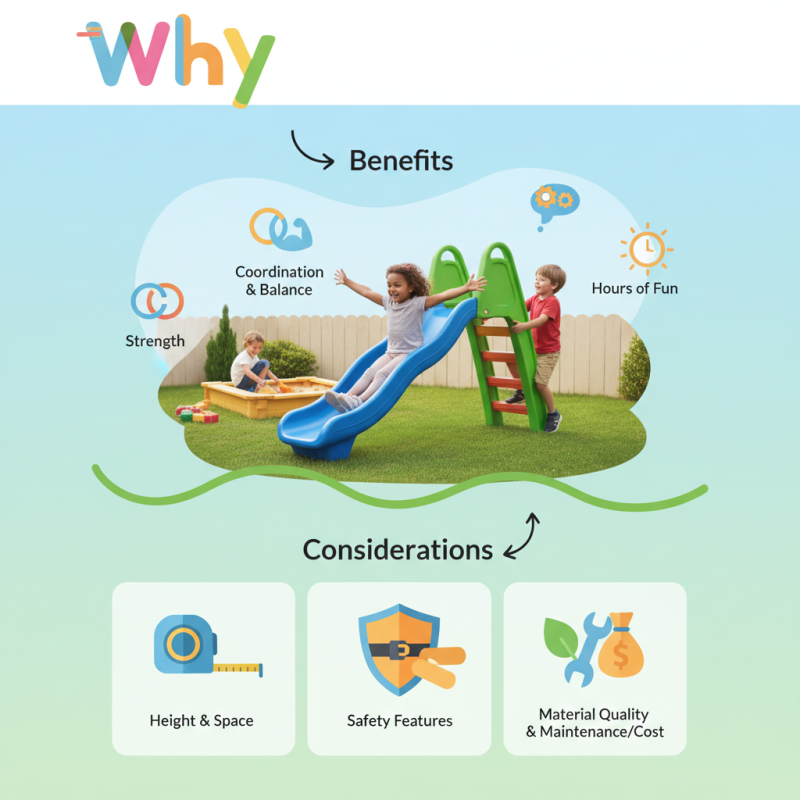
Choosing the right play equipment for children is crucial for their development. An Outdoor Play Slide stands out as a popular choice among parents. This playful structure encourages active play, helping kids burn off energy while having fun. Beyond mere enjoyment, it offers significant physical benefits. Children develop strength, coordination, and balance as they climb and slide.
However, not all outdoor slides are created equal. Factors like height, safety features, and material quality must be considered carefully. Parents should explore options that fit their yard space and their child's age. The ideal Outdoor Play Slide will spark joy and foster a sense of adventure.
Despite the obvious benefits, some may hesitate due to cost or maintenance concerns. It's a valid consideration, but investing in an Outdoor Play Slide can lead to countless hours of outdoor fun. Kids not only play; they engage in imaginative scenarios, enhancing cognitive skills. So, making a well-informed choice can transform playtime into a meaningful experience.
Benefits of Outdoor Play Slides for Child Development
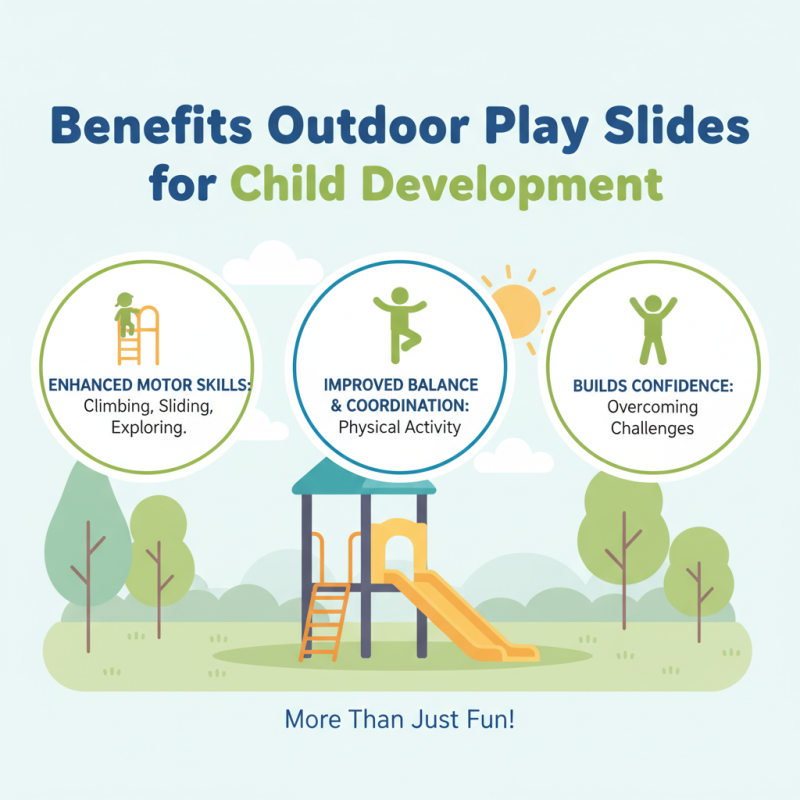
Outdoor play slides are more than just toys. They serve as vital tools for child development. Climbing, sliding, and exploring help children enhance their motor skills. These physical activities promote balance and coordination. Every time a child reaches the top, they build confidence. Overcoming the fear of heights can be a significant achievement.
Social skills also blossom on the slide. Kids often gather to take turns and encourage one another. This interaction fosters teamwork and communication. They learn how to share, negotiate, and exhibit patience. Moments like these are crucial for emotional intelligence. However, not every child will feel comfortable right away. Some may need time to adjust, which is perfectly normal.
Moreover, outdoor play slides encourage imaginative play. Children often create stories and scenarios while sliding. They may pretend they are pirates or astronauts in space. This imaginative engagement stimulates cognitive development. Still, adult supervision is vital to ensuring safety. Parents should frequently check equipment for wear and tear. Engaging with children during play can also enhance the experience, creating memories while promoting a healthy lifestyle.
Types of Outdoor Play Slides Available for Different Age Groups
When selecting outdoor play slides, age considerations are vital for safety and fun. For toddlers, slides with gentle slopes and soft materials are ideal. A study by the American Academy of Pediatrics emphasizes that slides for younger children should not exceed 50 inches in height. Slides designed for this age group typically include added safety features, such as side rails.
As children grow, their play needs evolve. Preschoolers might enjoy slightly steeper, more adventurous slides but still require sturdy structures. A report from the National Association for Sport and Physical Education states that children aged 3 to 5 benefit from physical play. This aids their motor skills and coordination.
For school-aged kids, climbing structures and higher slides provide excitement. However, it is crucial to assess the durability of the slide. Tips for choosing the right slide include checking for age recommendations, ensuring materials are weather-resistant, and inspecting safety features. Engaging with your children about their preferences ensures they enjoy their playtime while staying safe. Always supervise play, especially on higher slides, to prevent falls. Playtime should be enjoyable and safe!
Key Safety Features to Consider When Choosing a Slide
When choosing an outdoor play slide for your kids, safety should be a top priority. Look for materials that are durable yet gentle on the skin. Many slides are made of plastic, which is lightweight but sturdy. Ensure the surface is smooth to prevent splinters or cuts. It's essential to check for UV resistance, as exposure to sunlight can weaken some materials over time.
Height is another critical factor. Slides that are too tall may pose risks for younger children. A slide designed for toddlers should be lower to the ground. Think about the slope as well. A steep slide can lead to accidents. Opt for a gradual incline that allows for controlled descent.
Another aspect to consider is the structure's stability. Slides should be anchored securely to the ground. Check that the base isn’t wobbling during use. Adding safety features like side rails can provide extra support. Parents might overlook these details, but they are crucial for oversight. Reflect on your own experiences. Were there moments you wished for more security? Prioritizing these elements helps prevent unnecessary injuries.
How Outdoor Slides Encourage Physical Activity and Social Skills
Playing outdoors is essential for children's growth. Outdoor slides offer an exciting way for kids to engage in physical activity. When children climb up stairs to reach the slide, they strengthen their legs and develop coordination. Sliding down provides an adrenaline rush, which keeps them eager to get back up and do it again. This repetitive movement aids in building muscle and improving physical skills.
Moreover, outdoor slides foster social skills. When kids play together, they learn to share turns and communicate. They navigate conflicts over who goes first, which teaches negotiation. These experiences help them develop friendships. Watching peers can also inspire new ways to play creatively. However, not all interactions are positive; some may lead to disagreements. Kids must learn to manage such conflicts, too.
While outdoor slides encourage active play, they can present some challenges. Safety is a concern, and supervision is key. Parents must ensure equipment is suitable for their children's ages and abilities. Observing play can show how kids interact, highlighting areas for guidance. Such reflections are crucial for helping children grow emotionally and socially.
Tips for Setting Up an Ideal Outdoor Play Area with a Slide
Creating an ideal outdoor play area for your kids can be a rewarding project. When adding a slide, consider the layout of your yard. Choose a flat, grassy surface to ensure safety during play. A level ground minimizes the risk of falls. Ensure there is enough space around the slide for kids to play freely.
Incorporate natural elements into your play area. Surround the slide with soft materials like mulch or sand. This softens any potential falls. Consider planting some bushes or flowers nearby, as they offer a whimsical touch. However, be cautious. Some plants can be hazardous. Research local flora and avoid toxic varieties.
Regular maintenance is essential. Check the slide for wear and tear. Ensure it is securely anchored to the ground. Over time, exposure to weather can lead to rust or damage. This oversight can turn fun into unsafe play. Building an outdoor play area is rewarding but requires attention to detail. Prioritize safety, creativity, and ongoing care for a space that brings lasting joy.
 +86-13901441113

 CONTACT NUMBER
 CONTACT NUMBER