2026 How to Choose the Best Daycare Playground Equipment?
Choosing the right Daycare Playground Equipment is crucial for fostering children's development. According to James Thompson, a leading expert in childhood play environments, "The right playground shapes a child's imagination and enhances their social skills." This insight emphasizes the importance of not just any equipment, but the best equipment.
It's essential to consider safety, creativity, and engagement when selecting playground items. Many parents and daycare providers often overlook how equipment impacts physical and cognitive growth. A well-designed playground can inspire exploration. However, not all equipment meets these ideals. Some may be outdated or lack sufficient safety features, requiring thorough evaluation.
In the quest for the best Daycare Playground Equipment, reflect on your specific needs. Look for features that promote imaginative play, physical activity, and social interaction. It's not just about installation; it's about creating a vibrant space where children can thrive. Evaluate your options, and remember that even small changes can significantly affect children's experiences.
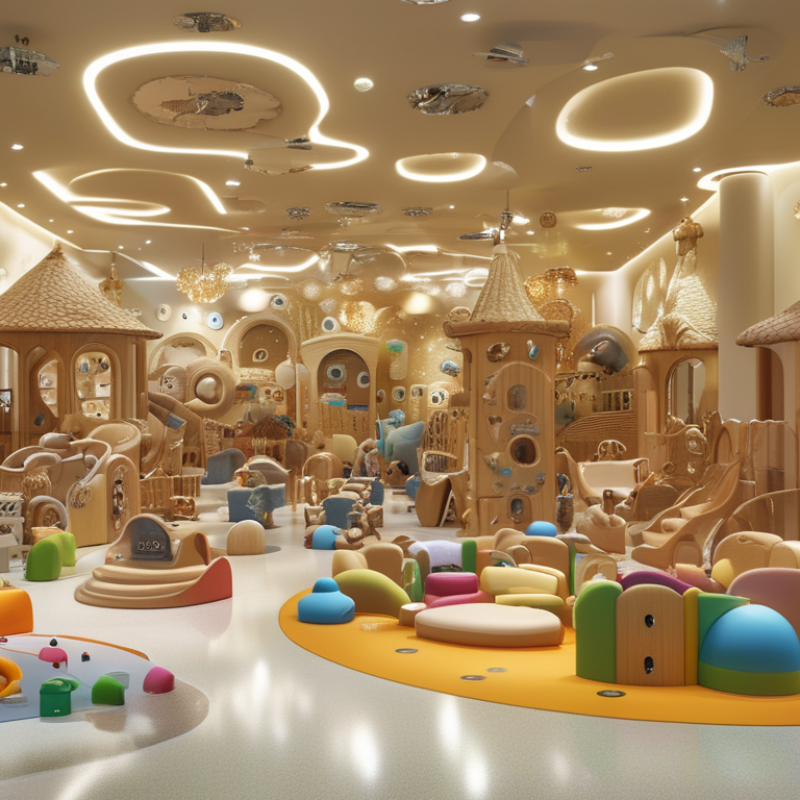
Understanding the Importance of Quality Daycare Playground Equipment
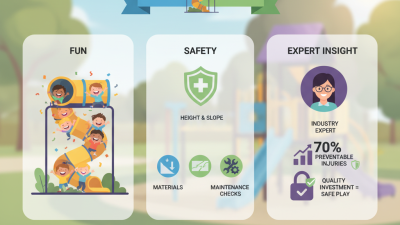
Choosing quality daycare playground equipment is crucial for children's development. This equipment must be safe, stimulating, and age-appropriate. Quality materials reduce the risk of injuries. Moreover, they ensure durability and longevity, which is essential for any daycare setting.
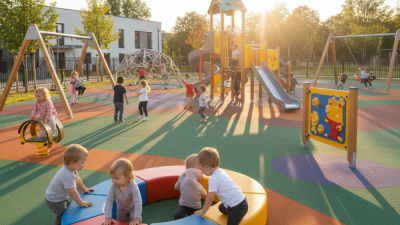
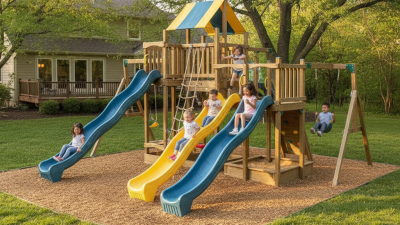
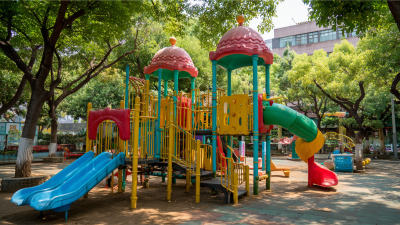
Children need diverse play options. Good equipment encourages physical activity and social interaction. It should include climbing structures, slides, and balance beams. These elements help develop motor skills and foster creativity. However, not all equipment is created equal. Some may not meet safety standards or pose hazards. It's vital to analyze each piece thoroughly before making a decision.
Lastly, consider the maintenance factor. Quality equipment tends to require less upkeep. But, regular inspections are necessary to ensure safety remains a priority. Many equipment choices may seem perfect at first glance. Yet, a deeper evaluation will reveal potential flaws. Prioritizing quality now will pay off in the long run.
Importance of Quality Daycare Playground Equipment
Identifying Safety Standards for Daycare Playground Equipment
Choosing the right daycare playground equipment starts with understanding safety standards. Regulations exist to ensure children can play in a secure environment. Familiarizing yourself with these standards is essential for every daycare operator.
Check for age-appropriate equipment. Different age groups require different structures. For example, toddlers need lower climbing frames and soft surfaces. Ensure that the materials used are non-toxic and durable. Metal components must not have sharp edges. Wood structures should be sanded down to avoid splinters.
Look for certifications from reputable safety organizations. This ensures the equipment meets safety criteria. Verify that the equipment can withstand various weather conditions. Regular inspections are crucial for ensuring continued safety. Reflecting on past incidents can help improve safety measures. Prioritize a thorough evaluation process to keep children safe while they play.
Evaluating Age-Appropriate Playground Features for Children
Choosing age-appropriate playground equipment is crucial for children's development. Younger children, aged 2-5, benefit from equipment designed for their developmental level. Features like small slides, low platforms, and enclosed spaces offer safety and encourage exploration. Bright colors and playful shapes capture their attention and stimulate imagination.
For older children, ages 6-12, the playground should promote physical activity and social interaction. Climbing structures, monkey bars, and interactive games challenge their skills. These designs enhance strength and coordination. However, they can also encourage risk-taking behavior. It's important to consider safety features like soft landings and proper spacing.
Reflecting on these elements, caregivers should evaluate not just the play features but also the overall environment. The playground should provide a safe area for social and emotional growth. Local communities sometimes overlook maintenance. Damaged equipment can pose serious risks. Regular checks and updates are vital for safety. Awareness and proper choices matter significantly in creating an engaging space for all children.
Choosing Durable Materials for Playground Equipment: A Comprehensive Guide
When selecting playground equipment for a daycare, material choice is crucial. Durability is paramount. Children are active and often rough on their surroundings. Therefore, the right materials ensure safety and longevity. For example, materials like high-density polyethylene are resistant to fading and cracking. They can withstand harsh weather and heavy use.
Wooden structures can offer a natural aesthetic, but they may require more maintenance. Choosing treated wood can help, yet it still demands regular inspections. Metal equipment is another option. It can be sturdy and long-lasting but might get too hot under the sun. Parents and caregivers need to weigh these factors carefully.
Consider texture, too. Smooth surfaces reduce the risk of splinters and injuries. Safety features should not be overlooked. Shock-absorbent materials under play equipment can minimize accidents. Regular assessments of the equipment condition are essential. Look for signs of wear and tear, and reflect on how often the equipment needs replacement. Balancing aesthetics with functionality will help create a safe play environment.
Budgeting for Daycare Playground Equipment: Cost vs. Quality Considerations
When budgeting for daycare playground equipment, it's crucial to weigh cost against quality. High-quality equipment may have a higher upfront cost but can lead to long-term savings. Cheaper options often require more frequent repairs. This can disrupt playtime and increase maintenance costs over time.
Consider how often the equipment will be used. If it's subjected to heavy daily use, investing in durable materials is wise. Look for sturdy construction and safety features. Remember, safety standards are essential. Equipment that meets or exceeds these standards can prevent accidents and injuries. This factor is non-negotiable.
While it's tempting to cut costs, reflect on the potential impact of lower-quality equipment. Cheaper items might not foster creativity or physical development as well. In the end, making a thoughtful choice can enhance children's play experiences. Balancing budget and quality is a task that requires careful consideration.
 +86-13901441113

 CONTACT NUMBER
 CONTACT NUMBER