How to Choose the Best Playground Facilities for Your Kids?
Choosing suitable playground facilities for children is crucial for their development. Research indicates that children require at least 60 minutes of active play each day. Playground facilities play a vital role in encouraging this activity. The right equipment promotes physical fitness, social skills, and cognitive development.
Not all playground facilities are created equal. Some may lack the safety features necessary to protect children. The U.S. Consumer Product Safety Commission reports that nearly 200,000 children visit emergency rooms each year due to playground injuries. This statistic underscores the importance of selecting safe and well-designed playground equipment.
Parents often face the challenge of finding facilities that balance fun and safety. It can be tempting to choose visually appealing equipment. However, safety and durability should always be top priorities. Consider the material used, the age appropriateness of facilities, and the overall layout of the playground. Reflecting on these aspects can lead to more informed choices. Ultimately, investing time in selecting the best playground facilities will support children's well-being and growth.
Understanding the Importance of Playground Facilities for Children
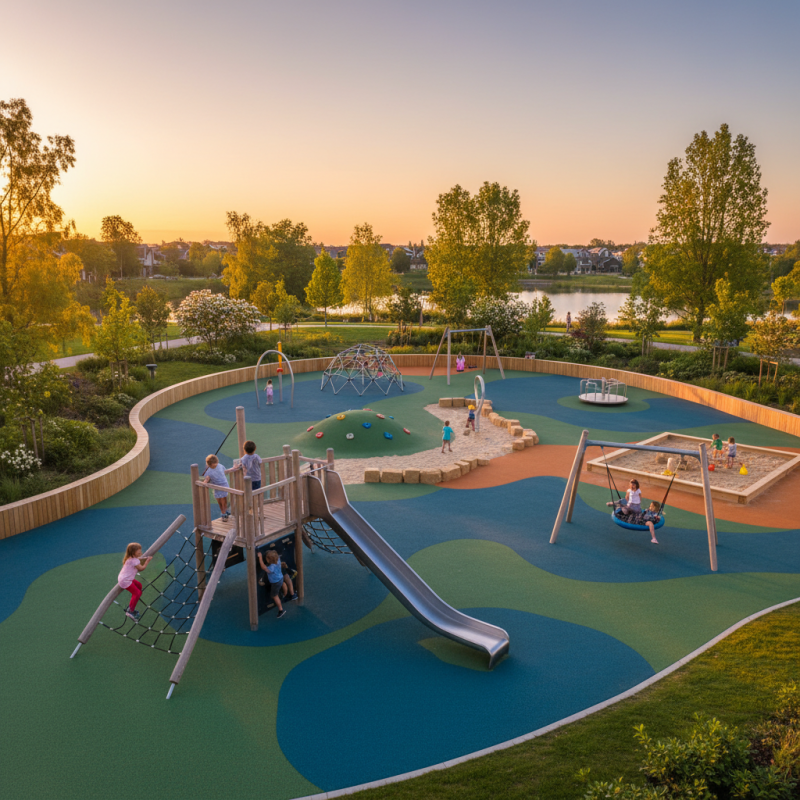
Playground facilities play a crucial role in children's development. They provide a safe space for kids to explore, learn, and interact. A report by the National Association for Sport and Physical Education states that active play is essential for physical and emotional health. Kids who engage in regular outdoor play show improved fitness levels and reduced stress.
However, not all playgrounds are created equal. Some may lack proper safety features or be outdated, leading to potential hazards. Research from the Centers for Disease Control and Prevention (CDC) indicates that approximately 20,000 children visit emergency rooms each year due to playground injuries. This statistic highlights the need for thoughtful choices when selecting playground equipment. Consider aspects like age-appropriate structures and safety surfacing for fall protection.
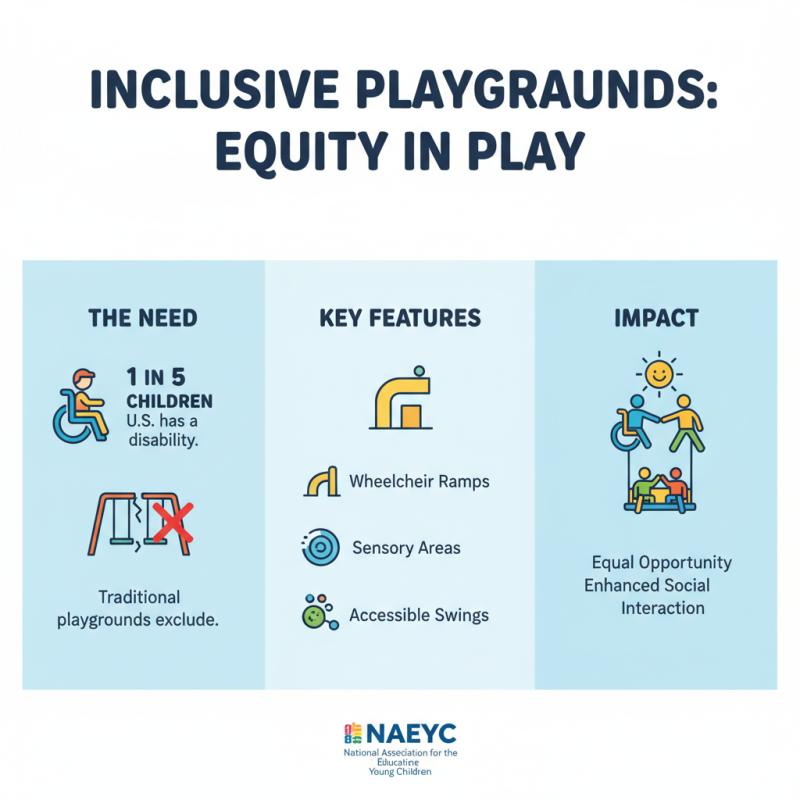
Moreover, accessibility is often overlooked. Ensuring that playgrounds are inclusive benefits all children. A study from the American Journal of Preventive Medicine found that inclusive play spaces encourage social interaction among children with and without disabilities. This not only fosters friendships but also teaches empathy and cooperation. Thoughtful planning in playground design could help nurture these essential social skills.
Importance of Playground Facilities for Children
Key Factors in Selecting Safe and Durable Playground Equipment
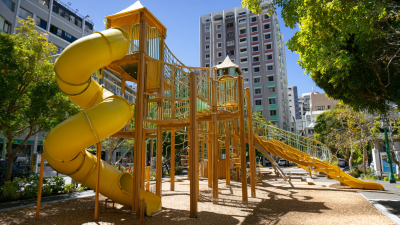
Choosing the right playground facilities is crucial for your child's safety and enjoyment. When selecting playground equipment, prioritize safety features. Look for soft materials and rounded edges to reduce injury risks. Consider the surface beneath the equipment as well. Grass or rubber mats provide cushioning. It's essential to ensure that the equipment meets safety standards.
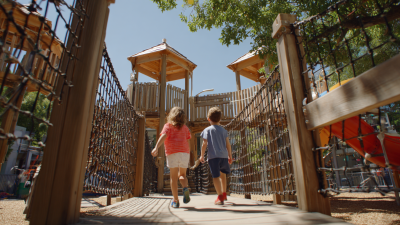
Durability is another key factor. Playground structures should resist weather conditions and heavy use. Inspect the materials used in the equipment. Metal might rust, while untreated wood can splinter. Seek out equipment that shows signs of sturdiness. Regular maintenance is vital too. Check for wear and tear often, even on newer installations. Reflecting on these points can help avoid regrets later.
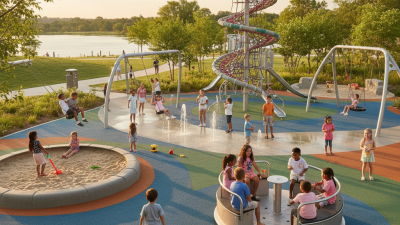
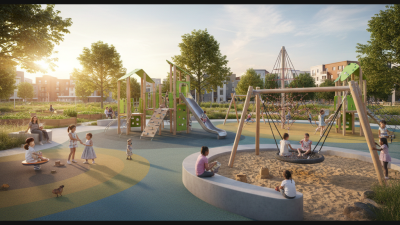
Finally, consider the play value of the equipment. Children need diverse options to explore. Climbing structures, slides, and swings encourage physical activity. However, too much equipment can create crowding and chaos. Striking a balance between variety and space is essential. Every family has different needs, so take them into account before making a choice.
How to Choose the Best Playground Facilities for Your Kids? - Key Factors in Selecting Safe and Durable Playground Equipment
| Factor |
Description |
Importance Rating (1-5) |
| Safety Standards |
Ensure equipment meets safety standards to minimize risk of injury. |
5 |
| Durability |
Select materials that withstand weather and heavy use. |
5 |
| Age Appropriateness |
Choose equipment suitable for the age group and developmental stage of children. |
4 |
| Accessibility |
Ensure facilities are accessible for children with disabilities. |
4 |
| Variety of Activities |
Provide different types of equipment for diverse play experiences. |
4 |
| Maintenance Requirements |
Choose equipment that is easy to maintain and clean. |
3 |
| Cost |
Consider the budget while ensuring quality and safety. |
3 |
Evaluating Age-Appropriate Play Structures for Different Development Stages
Choosing playground facilities for children requires careful thought. Each age group has different needs that affect their play experience.
Younger children, like toddlers, benefit from low structures. They need safety and stability. Features like small slides and soft surfaces are essential. These designs encourage exploration without excessive risk. It’s vital to allow them to discover and engage safely.
As kids grow, their play evolves.
School-age children crave challenges. Play structures should include climbing elements and more complex slides. These features stimulate their growing confidence and physical skills. Yet, some parents forget about supervision. Higher structures may pose dangers if kids aren’t watched closely. Balancing excitement with safety is not easy; it requires active observation.
Lastly, thought must be given to
inclusive play options. Children with disabilities deserve access too. Structures that accommodate everyone promote social interaction. However, finding these designs can be tough. Sometimes they are overlooked or poorly maintained. It's crucial to involve the community in discussions about accessible facilities. Every child’s experience matters, and planning must reflect that need.
Assessing Maintenance and Community Support for Playground Facilities
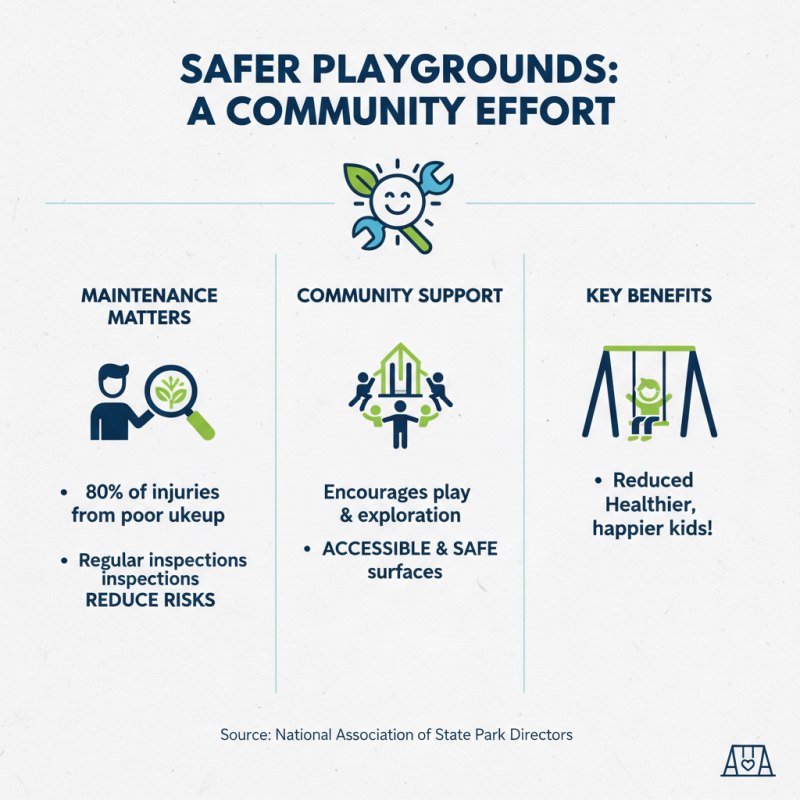
When choosing playground facilities, maintenance and community support are crucial. A well-maintained playground encourages children to play and explore. According to the National Association of State Park Directors, 80% of playground injuries are due to poor maintenance. Regular inspections can reduce risks significantly. A playground's surface should be safe and accessible, preventing accidents.
Community involvement also plays a vital role. Engagement from local parents and organizations can enhance the quality of playgrounds. A 2023 report from the American Society of Landscape Architects revealed that playgrounds with strong community backing often see better upkeep. Residents who participate in maintenance initiatives help foster a culture of care.
Yet, it’s important to acknowledge challenges in this area. Some communities struggle with lack of funding and resources. Even committed volunteers can face burnout. A continuous dialogue within the community can help address these concerns. Investing in training for volunteers can improve their effectiveness. Open conversations about community needs may not always be easy, but they are essential for lasting improvements.
 +86-13901441113

 CONTACT NUMBER
 CONTACT NUMBER