How to Choose the Best Playground Sets for Kids?
Choosing the best playground sets for kids is essential for their fun and development. Renowned playground design expert, Dr. Emily Johnson, states, "A great playground set not only entertains but also encourages creativity and teamwork." Her insight emphasizes the significant role these structures play in children's growth.
When selecting playground sets, consider safety, durability, and age appropriateness. Materials should be sturdy and weather-resistant. Parents should think about how the design fosters physical activity. Engaging features like slides, swings, and climbing structures can boost children's confidence and social skills.
However, not all playground sets meet these criteria. Some may look appealing but fail in safety tests. It's crucial to research brands and read reviews. Each playground set tells a different story. The goal is a space that sparks joy and imagination for every child.
Understanding Safety Standards for Playground Sets: ASTM and CPSC Guidelines
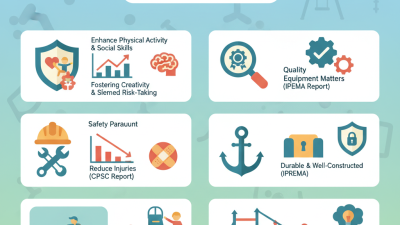
Choosing the best playground set for kids involves understanding safety standards. The ASTM (American Society for Testing and Materials) and CPSC (Consumer Product Safety Commission) guidelines provide essential safety metrics for playground equipment. These standards ensure that the equipment is designed to reduce injury risks. When selecting a playground set, review these guidelines closely to ensure compliance.
Tips: Check the height of slides and climbing structures. Ensure they are appropriate for your child's age. Pay attention to any sharp edges or material hazards. Look for sturdiness. A stable base prevents tipping or collapsing during play.
Always consider the surface material beneath the playground set. It should cushion falls effectively. Rubber mats or mulch are better than concrete. Regularly inspect the equipment for wear and tear. Prompt repairs can prevent accidents. Playgrounds should be a source of joy, not worry.
Comparison of Playground Set Safety Features
Evaluating Materials: Wooden vs. Metal Playground Equipment Durability
When choosing playground sets, evaluating materials is crucial. Wooden and metal equipment each offers unique benefits and drawbacks.
Wooden sets bring a natural aesthetic to play spaces. They can blend seamlessly with outdoor environments. However, the durability of wood can vary based on its quality.
It may warp or splinter over time, requiring regular maintenance.
On the other hand, metal playground equipment is known for its strength. It withstands harsh weather conditions well and offers longevity.
However, metal can become hot in the sun, posing safety concerns for children. Rust can also be an issue if the coating is compromised. Both materials require careful consideration before purchasing.
It’s vital to assess the environment where the equipment will be placed.
Ultimately, the choice hinges on preferences and the specific needs of children. Parents should consider factors like safety, maintenance, and overall aesthetics.
Balancing these aspects can lead to a thoughtful decision. While wood offers natural charm, metal provides robust protection. Each material invites reflection on how playground sets impact children’s play experiences.
Space Requirements: How to Measure Your Yard for Optimal Setup
When considering the best playground set for your kids,
space requirements play a crucial role. Measuring your yard accurately ensures safety and fun. Start by visually imagining the space. Think about how kids move in the area. Consider their play habits. Open spaces encourage safe runs and jumps.
To measure your yard, use a tape measure. Identify the length and width. Aim for a flat surface. If your yard has slopes, it limits options. Leave a buffer zone around the playground. Ideally, allow at least six feet of clearance. This space helps prevent accidents and ensures comfortable play.
Tips: Draw a simple sketch of your yard. Mark where your playground will fit best. Observe sunlight patterns, too. Play sets benefit from direct sunlight but might need shade for hot days. Factor in nearby trees or fences. They might pose risks or limit space. Lastly, reflect on your kids' preferences. They have unique interests.
Accommodating their needs can enrich their playground experience.
Age Appropriateness: Selecting Sets Suitable for Different Age Groups
When selecting playground sets, consider the age of the children who will use them. Different age groups have unique needs for play. Toddlers may need lower slides and smaller climbing structures. Their playsets should encourage exploration and sensory experiences. Bright colors can attract younger kids, sparking their imagination.
For preschoolers, safety and creativity are key. Look for features that promote social play. Swings, slides, and climbing frames should encourage interactions. Ensure the set is sturdy and has ample safety features.
Older kids, aged six and up, often seek challenges. They may enjoy more complex climbing structures and higher slides. However, it's crucial to assess their climbing skills and risk levels.
It's essential to choose sets that allow growth. Children’s interests and abilities change as they mature. While one piece might seem perfect now, it may not be suitable in a year. Regularly check the equipment for wear and safety.
Being proactive can prevent injuries. Encourage kids to express their play style and preferences. This approach can enhance their enjoyment and growth during playtime.
Budgeting for Quality: Investing in Playground Sets That Last
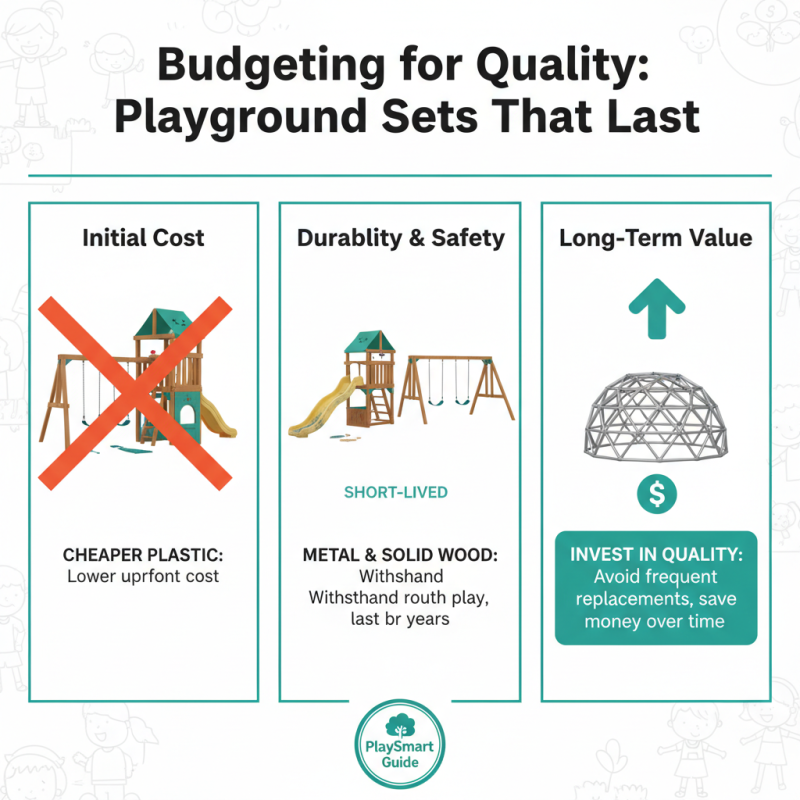
Investing in a playground set is a significant decision for many families. It’s crucial to balance fun and durability. When budgeting, focus on quality materials. Metal and solid wood often last longer than plastic. They can withstand rough play. Cheaper options may appear appealing but tend to need replacement sooner, leading to higher long-term costs.
Consider the safety features. Proper cushioning and sturdy construction help prevent injuries. Look for sets that meet safety standards. It’s essential to research and read user reviews. This feedback can reveal the actual performance over time. Longevity should be a priority, especially for active children.
Remember, not all playgrounds are created equal. Look for features that interest your child. Swings, climbing walls, and slides keep them engaged. However, don’t rush the decision. A thorough evaluation prevents future regrets. Try seeking advice from other parents. Their experiences can guide your choices.
 +86-13901441113

 CONTACT NUMBER
 CONTACT NUMBER