How to Choose the Best Playground Systems for Your Community Needs
Choosing the best playground systems for a community involves a careful assessment of various factors that cater to the specific needs and preferences of its inhabitants. According to playground design expert Dr. Emily Harrison, "A well-designed playground system not only promotes physical activity but also fosters social interaction and creativity among children." Her insights highlight the importance of tailoring playground systems to encourage developmental benefits that align with community values.
In selecting playground systems, community leaders must consider the age range of children, safety standards, and the overall layout of the space. Community needs can vastly differ; while some areas might benefit from inclusive designs that accommodate children of all abilities, others may prioritize adventurous equipment that sparks imaginative play. Engaging local families in the decision-making process can further ensure that the selected playground systems resonate with both the children and their guardians, ultimately enhancing community involvement and satisfaction.
Ultimately, the right playground systems can significantly contribute to a community's well-being, creating vibrant spaces that promote health, playfulness, and social bonds. By being strategic and inclusive in this selection process, communities can invest in future generations, setting the stage for countless memories and developmental milestones.
Identifying the Unique Needs of Your Community for Playground Systems
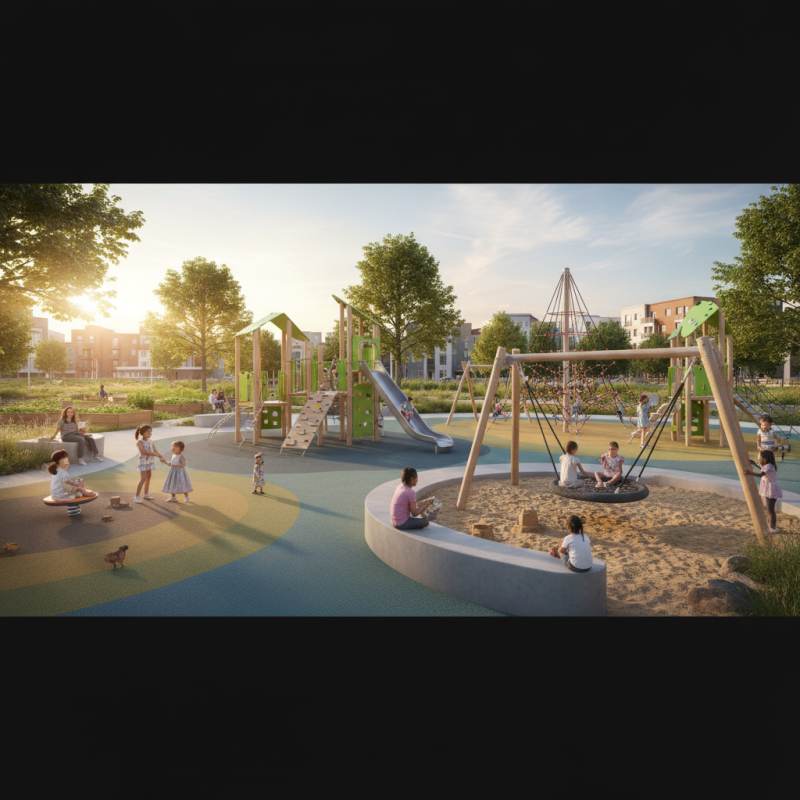
When selecting a playground system for your community, it's vital to identify the unique needs and preferences of the residents you aim to serve. Understanding the age groups of children, cultural backgrounds, and any special requirements of local families will help in designing a space that is inclusive and beneficial for everyone. Engage with community members through surveys or focus groups to gather insights and preferences. This collaborative approach ensures that the playground truly reflects the community's values and usage patterns.
Tip: Consider the physical layout of your community when choosing a playground system. Proximity to housing, schools, and transportation can determine how often families will visit the playground. Ideally, it should be easily accessible to promote consistent use and ensure safety for children and parents alike.
Additionally, think about the types of play experiences that are valued in your community. Some families may prioritize creative play, while others might focus on physical challenges. Incorporating a variety of play elements, such as climbing structures, slides, and sensory areas, can cater to diverse interests and developmental needs. Regular feedback from users can also guide adjustments and improvements to the playground over time, ensuring it remains a beloved community asset.
Tip: Research alternative play equipment that fosters inclusivity, such as adaptive swings and sensory-friendly installations. This can create a more welcoming environment for children of varying abilities and encourage all kids to enjoy the space fully.
Evaluating Safety Standards and Regulations for Playground Equipment
When selecting playground systems for a community, evaluating safety standards and regulations is a crucial aspect that cannot be overlooked. The primary goal is to ensure that all equipment complies with established safety guidelines, which are often set by national organizations or local authorities. These standards are designed to minimize the risk of injury through comprehensive assessments of the materials used, design specifications, and installation procedures. Communities should familiarize themselves with these regulations, which often include guidelines on fall zones, equipment heights, and appropriate surfacing materials to absorb shock.
Additionally, it's essential to consider the age appropriateness of the playground equipment. Regulations often dictate that different age groups require varying types of structures and safety measures. For instance, play areas designed for younger children should feature lower platforms and more protective barriers to prevent accidental falls. Regular inspections and maintenance also play a pivotal role in safety. Communities should establish a routine check to identify and address wear and tear, ensuring that all equipment remains safe and functional. By adhering to these safety standards and regulations, communities can create a playground that not only encourages physical activity and social interaction but also prioritizes the well-being of its young users.
Exploring Different Types of Playground Systems and Their Features
When selecting the best playground systems for your community, it’s essential to explore the variety of types available, as each brings unique features suited for different age groups and skill levels. Traditional play structures often include slides, swings, and climbing areas, providing a range of activities that promote physical fitness and social interaction among children. These systems are ideal for younger children, allowing them to develop motor skills while engaging in imaginative play.
In contrast, modern playgrounds are increasingly incorporating inclusive designs that cater to children of all abilities. These systems often feature adaptive equipment, such as wheelchair-accessible swings and sensory-rich play panels. These additions ensure that every child can participate, fostering an inclusive community atmosphere. Additionally, nature-based play systems, which integrate natural elements like logs and boulders, offer children the chance to explore their environment and engage with the outdoors.
Tips: When choosing a playground system, consider the age range of the children who will use it, as well as their specific needs. Involve community members in the selection process, gathering input to ensure the chosen features resonate with local preferences. Regular maintenance is also crucial; choose durable materials that can withstand weather conditions and heavy use, ensuring safety and longevity for your installation.
Assessing Budget Constraints and Funding Options for Playground Projects
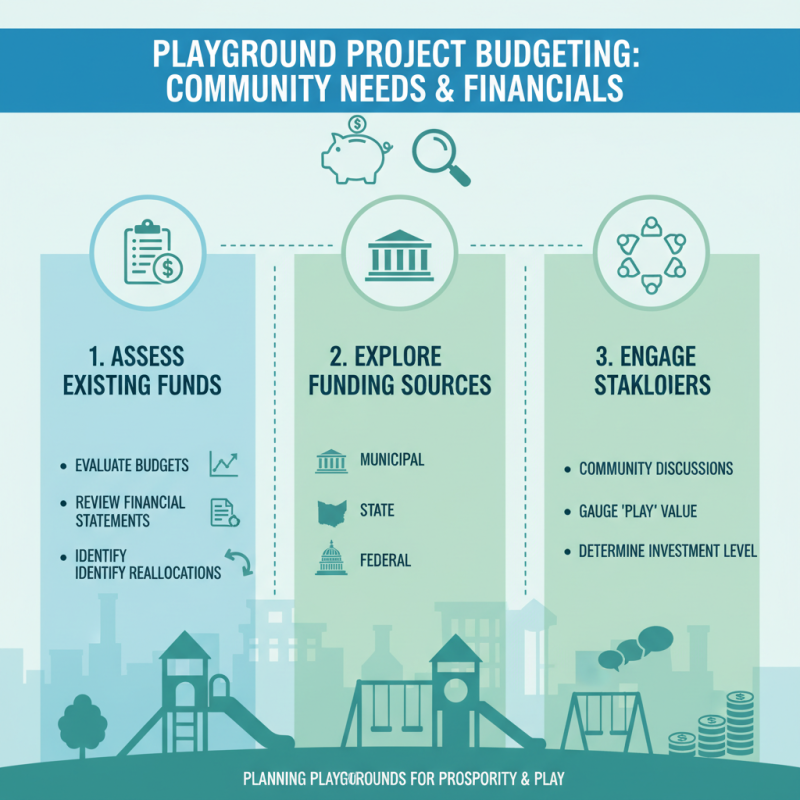
Assessing budget constraints is a crucial step when planning playground projects tailored to community needs. Communities must first identify how much they can allocate for playground systems by evaluating their existing budgets and considering any potential reallocations. This involves scrutinizing financial statements and determining if there are funds available from municipal, state, or federal sources. Additionally, engaging in discussions with community stakeholders can help gauge how much the community values these playground systems and what level of investment they might support.
Once the budget is understood, exploring funding options becomes essential. Communities can consider various avenues, such as grants, sponsorships, and fundraising events. Local businesses may be willing to sponsor a playground in exchange for marketing opportunities, while grants from non-profit organizations or governmental bodies can provide significant financial assistance. Collaborating with community members to organize fundraising activities can also rally local support and enhance community involvement, ensuring that the playground is not only financially viable but also a reflection of community pride and ownership.
Engaging the Community in the Playground Design and Selection Process
Engaging the community in the playground design and selection process is crucial for creating spaces that not only meet safety standards but also cater to the diverse needs of all users. To begin with, involving local families, schools, and community organizations in discussions about playground features fosters a sense of ownership and responsibility. This engagement can take various forms, such as surveys, workshops, or community meetings, where participants can express their ideas, preferences, and concerns. By prioritizing community input, planners can identify not only popular play equipment but also vital aspects such as accessibility for children with disabilities and features that promote social interaction.
Furthermore, incorporating feedback from various community members, including children, encourages a design that reflects the community’s values and aspirations. Children, in particular, can offer valuable insights into what types of play experiences they find most enjoyable and beneficial. By creating a playful and inclusive dialog, the design process can uncover innovative solutions that address different age groups and encourage imaginative play. Overall, a collaborative approach leads to playground systems that are more than just recreational spaces; they become vibrant hubs for community connection and growth.
How to Choose the Best Playground Systems for Your Community Needs
| Playground Feature |
Importance Level |
Community Feedback |
Estimated Cost ($) |
| Inclusive Equipment |
High |
Positive |
15,000 |
| Safety Surfacing |
Critical |
Essential |
10,000 |
| Climbing Structures |
Moderate |
Mixed |
8,000 |
| Swings and Slides |
High |
Very Positive |
5,000 |
| Shade Structures |
High |
Positive |
7,000 |
 +86-13901441113

 CONTACT NUMBER
 CONTACT NUMBER