Leave Your Message

How to Choose Safe Preschool Outdoor Play Equipment?

Choosing safe Preschool Outdoor Play equipment requires more than bright colors, rounded edges, or attractive product photographs. The U.S. Consumer Product Safety Commission reports that approximately 200,000 children receive emergency treatment for playground-related injuries each year. Its Public Playground Safety Handbook identifies falls as a major injury source. This data makes safety planning a daily responsibility, not a purchasing detail.

A reliable evaluation begins with age-appropriate design, impact-absorbing surfacing, secure platforms, and carefully measured openings. Equipment should match preschool children’s height, balance, grip strength, and developing judgment. ASTM F1487 provides widely used safety specifications for public playground equipment in the United States. The EN 1176 series offers another recognized framework for playground design and testing. These standards can guide decisions, but they cannot replace local inspection or staff supervision.

Look closely at the whole play environment. Check anchor points, worn ropes, sharp edges, exposed bolts, drainage, shade, and fall zones. A soft-looking surface may still be too shallow or poorly maintained. Certification is useful evidence, not a complete safety guarantee. That distinction is easy to miss. The National Program for Playground Safety also emphasizes regular inspections, maintenance, and supervision as connected safety practices. A thoughtful buyer should request test documentation, installation instructions, maintenance schedules, and replacement-part information. Even experienced teams can overlook small hazards after repeated use. Therefore, this guide considers both technical standards and real-world behavior, helping educators choose equipment that supports active play without treating risk as an afterthought.
How to Choose Safe Preschool Outdoor Play Equipment?

Understand Safety Standards and Age-Appropriate Design

How to Choose Safe Preschool Outdoor Play Equipment?

Safe preschool equipment begins with standards and age-appropriate design. The U.S. Consumer Product Safety Commission estimates that about 200,000 children receive emergency treatment for playground injuries each year. Falls cause most reported incidents. Therefore, equipment should include impact-attenuating surfacing tested under ASTM F1292, while the structure should follow relevant standards such as ASTM F1487 or EN 1176.

Preschool children need lower platforms, smaller steps, stable handrails, and openings that prevent head entrapment. A climbing wall designed for older children may look exciting, but its grips can be too demanding for a three-year-old. CPSC guidance also recommends separating equipment by age group and maintaining clear use zones around slides and swings. Measure these areas carefully. A crowded layout can turn ordinary movement into a collision risk.

Tips: Check the manufacturer’s age range, fall height, guardrails, and surface depth. Inspect bolts, cracked plastic, sharp edges, and exposed foundations before opening the play area. Ask for current inspection records and confirm that local requirements are covered. ASTM testing is valuable, but it does not replace daily observation. In practice, a playground can pass a formal check and still feel unsafe after rain, poor drainage, or rushed supervision. That is where professional judgment matters.
Evaluate the Playground Site and Equipment Placement

How to Choose Safe Preschool Outdoor Play Equipment?

Evaluate the Playground Site and Equipment Placement

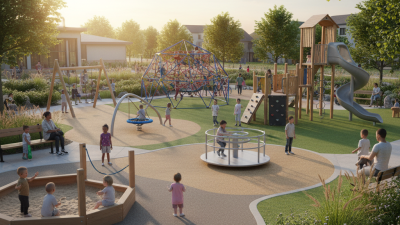
A safe preschool playground begins with the site, not the equipment catalogue. Walk the area at different times of day. Notice glare, shade, puddles, wind, and nearby traffic noise. Children need clear sightlines from every supervision point. Tall shrubs, storage sheds, and decorative screens can create hidden corners. Remove these blind spots or change the layout.

Measure each equipment zone carefully. Swings need generous front and rear clearance. Slides should finish on a soft, unobstructed surface. Keep climbing structures away from fences, walls, tree trunks, and hard edges. Separate active areas from quiet spaces. A child running from a sandbox should not enter a swing path. It sounds obvious, but busy sites often reveal this mistake.

Check the ground after rain. Poor drainage can weaken surfacing and create slippery patches. Use impact-absorbing materials that match the equipment height and local safety requirements. Confirm that surfaces remain stable around posts and entrances. Accessibility also matters. Provide firm routes, manageable slopes, and enough turning space for mobility devices. A certified playground inspector can verify fall zones, anchoring, and installation details. Staff should review the site after storms, repairs, and seasonal changes. A second review may feel excessive. It can uncover the detail everyone missed.

Check Materials, Construction Quality, and Fall Protection

How to Choose Safe Preschool Outdoor Play Equipment?

Check Materials, Construction Quality, and Fall Protection

Choosing preschool outdoor equipment starts with materials children touch every day. Look for smooth, splinter-free wood, corrosion-resistant metal, and durable plastics without sharp edges. Check drainage holes, rounded corners, and sealed joints. A strong material can still become unsafe when exposed to sunlight, moisture, or repeated cleaning. Ask how often surfaces are inspected and replaced.

Construction quality deserves close attention. Shake posts gently and watch for movement. Examine bolts, welds, steps, handrails, and connection points at a child’s eye level. Gaps should not trap fingers, hands, heads, or clothing. Equipment should match children’s ages and abilities, not simply fit the available space. Current playground safety standards and local requirements should guide the installation. A qualified inspector can identify problems that a quick visual check misses.

Fall protection is essential. Place suitable impact-absorbing surfacing beneath climbing areas, slides, and swings. Check its depth, coverage, and condition, especially around busy landing zones. Hard soil, exposed roots, or thin surfacing can turn a small fall into a serious injury.

I once focused too much on attractive equipment and overlooked worn material beneath a slide. That mistake changed my inspection routine. Now I kneel, touch the surface, and measure it where children actually land. Keep clear zones open, and inspect them after heavy rain, freezing weather, or repairs. Some risks hide in plain sight.

Consider Accessibility, Supervision, and Maintenance

How to Choose Safe Preschool Outdoor Play Equipment?

Accessibility should shape the purchase, not decorate it afterward. Equipment needs firm, slip-resistant routes, transfer platforms, wide entry points, and low-risk sensory features. The U.S. Department of Education reported that 15% of public school students received special education services in 2022–23. Preschool spaces should expect varied movement, communication, and balance needs. A child using mobility support should reach play areas without crossing loose sand or steep edges.

Supervision must be designed into the layout. Adults need clear sightlines from seating and walking positions. Avoid tall panels, hidden corners, and crowded entry points. The Consumer Product Safety Commission reports about 200,000 playground injuries receive emergency treatment annually in the United States. Its Public Playground Safety Handbook also identifies falls as the leading injury mechanism. One adult cannot safely watch every zone from one chair. That assumption is risky. Use staffing plans, defined boundaries, and age-appropriate equipment grouping.

Maintenance is daily work, not an annual inspection. Staff should check loose bolts, cracked plastic, exposed footings, sharp edges, standing water, and worn impact surfacing before children arrive. ASTM F1487 guidance recommends regular inspection and maintenance practices for public playground equipment. Keep dated records, photographs, and repair decisions. A small gap under a platform may seem harmless, but a child’s finger can enter quickly. I would also review the equipment after rain, freezing weather, and heavy use. Perfect maintenance is unlikely; documented attention is essential.

Compare Equipment Options Before Making a Safe Choice

How to Choose Safe Preschool Outdoor Play Equipment?

Compare options before choosing. A climbing structure offers movement variety, but its height increases fall exposure. Slides need stable platforms, guarded access, and clear landing zones. Swings require generous spacing and careful supervision. Ground-level balance paths usually present lower fall heights, yet they still need secure edges and stable surfaces.

The U.S. Consumer Product Safety Commission reports roughly 200,000 playground-equipment injuries receive emergency treatment annually. Falls account for a major share. That figure should influence every purchasing discussion.

A practical comparison should examine age range, fall height, visibility, pinch points, and maintenance access. Check whether the protective surface has been tested under ASTM F1292 impact-attenuation requirements. Loose-fill materials can shift after rain, leaving hard spots beneath busy climbing areas. Rubber surfaces may offer consistency, but damaged sections can become trip hazards.

The safest option is not always the most colorful one. Small details matter. A lower platform can still be risky when staff cannot see behind it. CPSC guidance and local inspection records deserve more weight than attractive catalog images.

Tips: Place equipment where adults can observe every approach and landing area. Ask for installation records, surface-depth checks, and age-specific instructions. Compare one active option with one calmer, ground-level option. Recheck surfacing after storms. Even careful reviews miss changes over time, so document repairs and invite staff to question the original choice.