How to Choose the Best Playground Facilities for Your Needs?
Choosing the right playground facilities for your needs can be challenging. Various options exist, and each has unique features. Understanding these options is crucial for creating a safe and enjoyable environment for children.
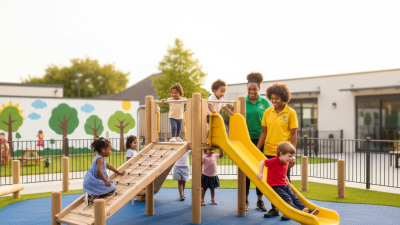
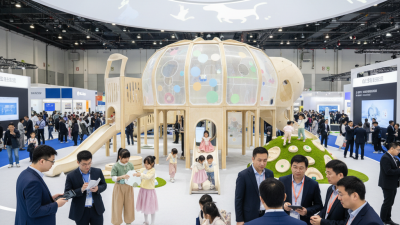
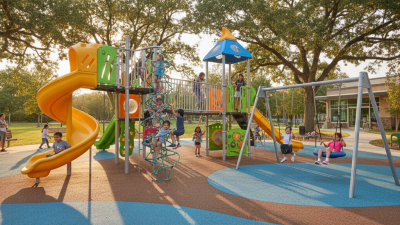
Playground facilities include swings, slides, climbing structures, and interactive games. Each facility has advantages and specific age requirements. For instance, some structures may not be suitable for toddlers, while others cater to older children. Accessibility is another important factor to consider for inclusive play.
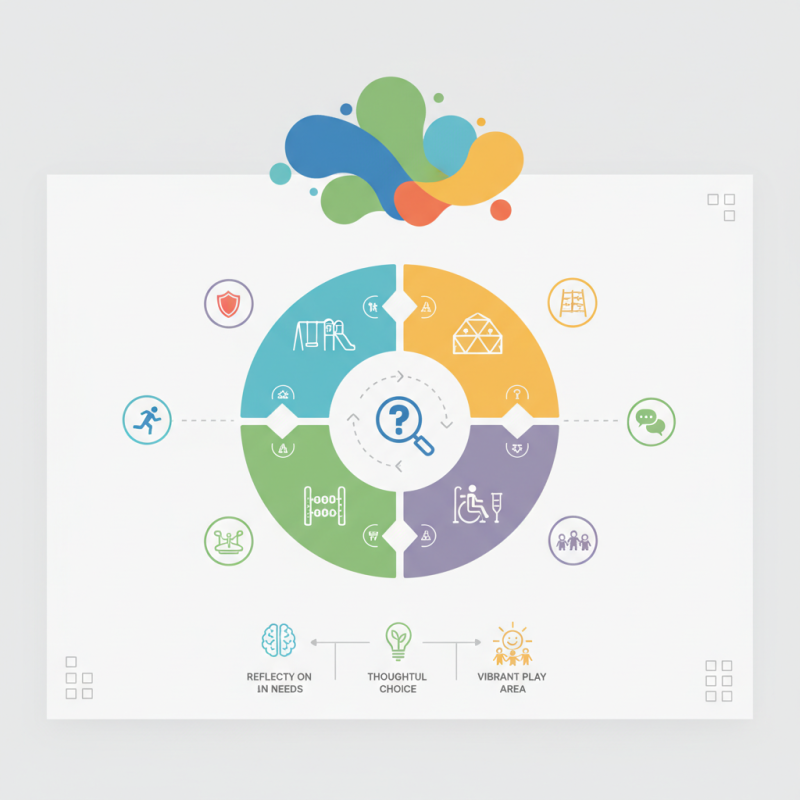
It’s essential to reflect on your specific needs. Are you focusing on safety? Do you want facilities that promote physical activity? Consider community feedback, as local parents can provide valuable insights. Making a thoughtful choice can lead to a vibrant play area that meets the needs of all users. Remember, the goal is to create a space that is both fun and enriching.
Identifying the Age Groups and Interests of Playground Users
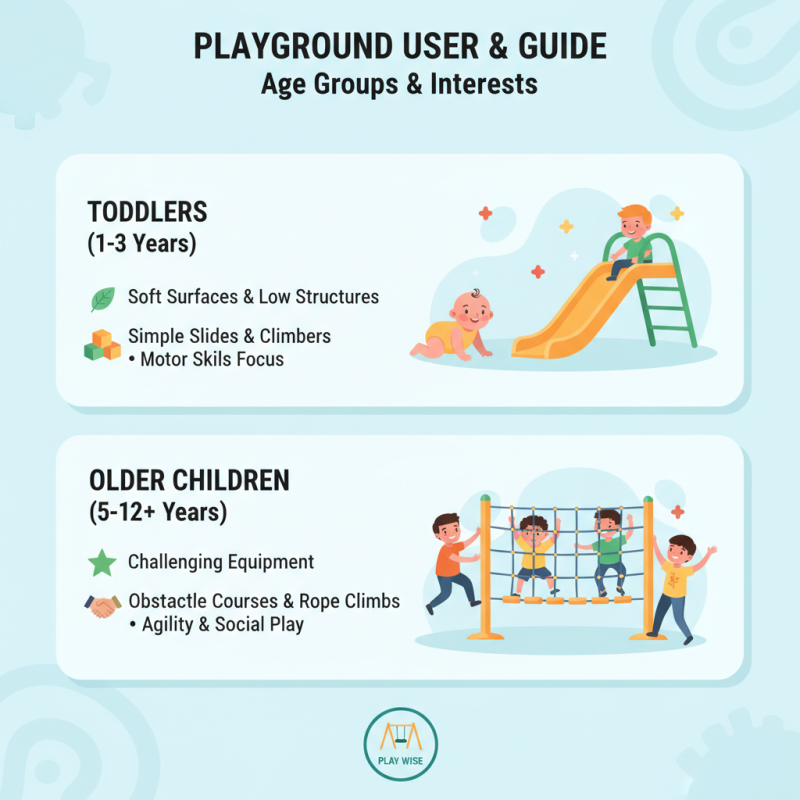
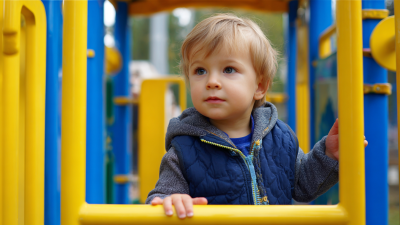
When selecting playground facilities, understanding the age groups and interests of users is crucial. Different age ranges require various equipment and design elements. For toddlers, soft surfaces and low structures are vital for safety. These young users enjoy simple slides and climbing frames that promote motor skills. For older children, provide more challenging equipment, like obstacle courses and rope climbs. These structures encourage physical agility and social interaction.
Observing how children play can reveal their interests. Some kids prefer active, physical play, while others enjoy imaginative role-play in themed areas. Incorporating diverse elements can foster creativity. Nature-based play features, like logs and boulders, appeal to many children. However, it can be a challenge to balance safety with imaginative design. This is a constant area for reflection and improvement.
Engaging with parents and caregivers can provide deeper insights. They can share what facilities their children enjoy most. Conducting surveys or casual conversations can illuminate preferences across different communities. Each playground should evolve according to its users' needs, ensuring inclusivity and creativity. Regular updates based on feedback can significantly enhance the playground experience for everyone involved.
Evaluating Safety Standards and Material Durability for Equipment
When choosing playground facilities, safety standards and material durability are paramount. Look for equipment that meets or exceeds national safety guidelines. These standards ensure that the equipment can withstand typical use and prevent injuries. Inspecting the materials used is essential. Metal equipment should be rust-resistant, while plastic elements need to be UV-stabilized. This helps the equipment last longer and remain safe for children.
Durability is closely linked to safety. Equipment that wears down quickly can become hazardous. Over time, splintered wood or cracked plastic can pose risks. Regular maintenance checks are necessary but often overlooked. Parents and caregivers should be proactive. If an issue arises, timely repairs can prevent accidents. Reflecting on these points helps foster a safer play environment.
Children are curious and energetic. They explore, run, and play. When choosing playgrounds, consider how equipment design encourages safe play. Some features might seem appealing but can introduce risks. Balancing fun with safety can be challenging. This requires ongoing attention and evaluation of the playground's condition. Make informed choices to promote healthy and safe play experiences.
Assessing Space and Location Considerations for Playground Design
When considering playground facilities, assessing space and location is crucial. The area should accommodate various equipment and activities. Think about how much room is available for children to play safely. Proper spacing reduces accidents and promotes a fun atmosphere.
Tips: Measure your chosen space before deciding on equipment. Ensure there is enough distance between structures. Think about incorporating shaded areas for hotter days. This will encourage children to play longer and remain safe.
Location is just as important as space. Choose a site that is accessible for families. Proximity to homes and schools can boost usage. Keep in mind the noise levels in the area. A quiet location might be more appealing to families.
Tips: Consider placement near restrooms or parking. Accessibility allows for easy visits. Check surrounding features, like trees or hills, that can impact safety. Reflect on how environmental factors affect the playground experience.
Incorporating Accessibility Features for Inclusive Playground Access
When planning playground facilities, it’s vital to prioritize accessibility. Inclusive playgrounds allow all children, regardless of ability, to play together. Factors to consider include ground surfaces, equipment design, and the layout of the space. Rubberized surfaces reduce fall risks for everyone, especially those with mobility challenges.
Equipment should cater to various needs. For instance, consider swings with harnesses or transfer platforms. These features accommodate children who use wheelchairs or have limited upper body strength. Additionally, ensure pathways are wide and clearly marked to guide families safely.
It’s essential to remain aware of potential gaps in accessibility. Some equipment may appear accessible but not function for all. Continually seek feedback from families within your community. Understanding their experiences can help create a genuinely inclusive space. This ongoing dialogue fosters improvement and brings everyone together.
Selecting Engaging Activities and Features for Diverse Play Experiences
Choosing the right playground facilities is crucial for creating engaging play experiences. Research indicates that children benefit from diverse activities. A study by the American Journal of Play reveals that varied play equipment enhances physical health and cognitive development in children.
Incorporating features like climbing structures, swings, and interactive panels caters to different interests. Data from the National Association for Sport and Physical Education (NASPE) shows that 70% of children prefer playgrounds with a mix of active and social play options. These environments encourage children to run, climb, and socialize, fostering essential life skills.
However, not all facilities meet the needs of every child. Some children may find complex structures intimidating. Inclusive design is vital. A playground that has adaptive swings or sensory panels can engage those with different abilities. Playgrounds must reflect the community's needs. Solicit feedback from parents and caregivers. This will lead to more thoughtful decisions in facility selection. The goal should be to create a space where every child feels welcome and excited to play.
 +86-13901441113

 CONTACT NUMBER
 CONTACT NUMBER