Top 10 Tips for Choosing the Perfect Outdoor Slide Playset for Your Kids
When it comes to fostering outdoor play and physical activity in children, an Outdoor Slide Playset can be an invaluable addition to your backyard. According to the American Academy of Pediatrics, outdoor play is essential for children's development, offering opportunities for physical activity, social interaction, and creative play. With studies showing that children who engage in regular outdoor play are less likely to exhibit behavioral problems and are more adept at problem-solving, investing in an Outdoor Slide Playset can provide substantial long-term benefits.
However, choosing the right outdoor playset can be daunting, given the vast array of options available in today's market. A report by the U.S. Consumer Product Safety Commission highlights that improper equipment selection can lead to safety hazards and injuries. Therefore, it becomes crucial for parents to consider various factors such as material quality, safety features, and age-appropriate design when making their selection. By focusing on these essential aspects, parents can ensure that they choose a playset that not only offers fun and engagement but also prioritizes their children's safety and overall well-being.
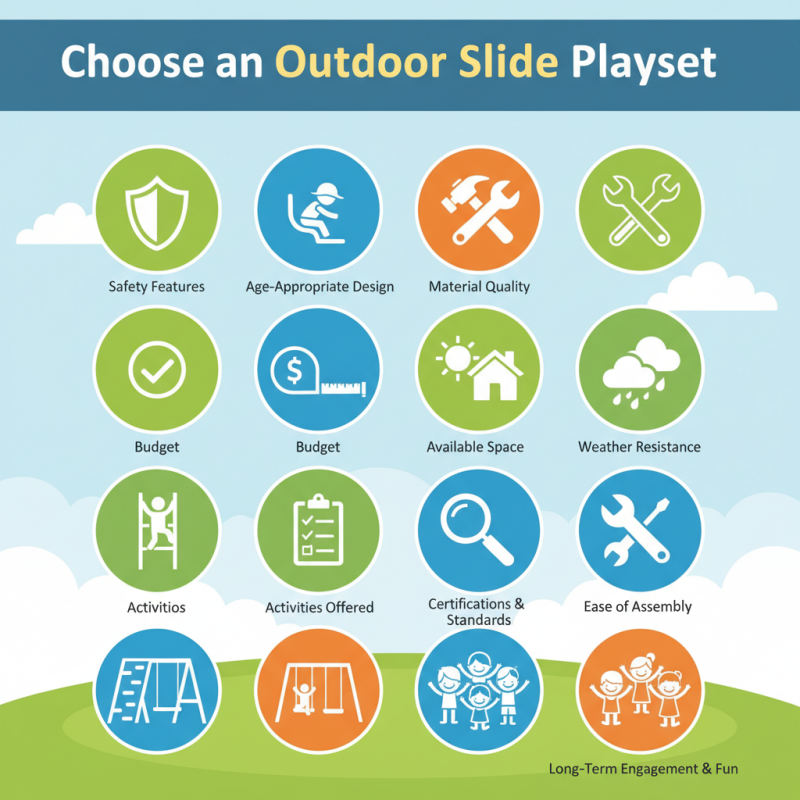
Factors Influencing the Safety of Outdoor Slide Playsets for Children
When selecting an outdoor slide playset for children, safety should be the foremost concern. One of the most critical factors influencing the safety of these playsets is the quality of materials used in their construction. It is essential to choose playsets made from durable, weather-resistant materials that can withstand outdoor conditions without deteriorating. High-quality plastic and treated wood are usually safer options as they minimize the risk of splinters and breakage. Additionally, ensure that the playset is free from harmful chemicals or toxins often found in lower-quality materials, as these can pose serious health risks to children.
Another important factor is the design of the slide and its surrounding area. The slide should have a gentle slope and smooth edges to reduce the likelihood of accidents. Adequate safety features, such as handrails and non-slip surfaces, can enhance the safety of the playset. Furthermore, it's crucial to ensure there is proper cushioning under and around the slide, such as soft grass or rubber mats, to help absorb falls and prevent injuries. Adequate spacing between the playset and any nearby structures or obstacles is also vital to provide a safe play environment, allowing children to engage in active play without the risk of collisions or entrapments.
Comparative Analysis of Material Durability in Playset Construction
When selecting the perfect outdoor slide playset for children, understanding the durability of the materials used in its construction is crucial. Playsets are subjected to various weather conditions, frequent use, and the inevitable wear and tear from active play. Common materials for playsets include wood, metal, and plastic, each offering distinct advantages and disadvantages in terms of longevity and maintenance.
Wooden playsets, often appreciated for their natural aesthetic, can provide a sturdy and lasting option if treated properly. However, they are susceptible to rotting, splintering, and insect damage if not maintained regularly. It’s essential to choose treated wood and ensure it is sealed to extend its lifespan.
On the other hand, metal structures tend to be more durable under harsh weather conditions and resist rusting when coated correctly. While they might offer the advantage of longevity, they can become hot to the touch in sunny weather, which could be a concern for safety.
Plastic playsets offer lightweight convenience and resistance to rust and rot; however, their durability can vary significantly based on the type of plastic used. High-density polyethylene often provides better resilience against fading and cracking compared to lower-quality options. Parents should consider these factors, weighing the trade-offs between initial cost and long-term durability to find the best fit for their family's outdoor play needs.
Evaluating Age Appropriateness in Outdoor Slide Playset Design
When selecting an outdoor slide playset, evaluating age appropriateness is crucial for ensuring the safety and enjoyment of children. Different designs cater to various age groups, and understanding these distinctions can help caregivers make informed decisions. For toddlers, playsets with lower slides, gentle inclines, and enclosed structures provide a safe environment for exploration. These features are essential for younger children who are still developing their motor skills and coordination.
For older kids, playsets can incorporate taller slides, more complex climbing structures, and various play elements that promote physical activity and imaginative play. It’s important to consider the recommended age ranges provided by manufacturers, as these guidelines reflect the structural integrity and safety of the design. Additionally, parents should actively engage with their children during playtime, assessing their comfort levels and encouraging safe play practices. By prioritizing age-appropriate features, caregivers can create a safe and enjoyable outdoor space that fosters development and fun.
Understanding Installation Requirements for Optimal Playset Stability
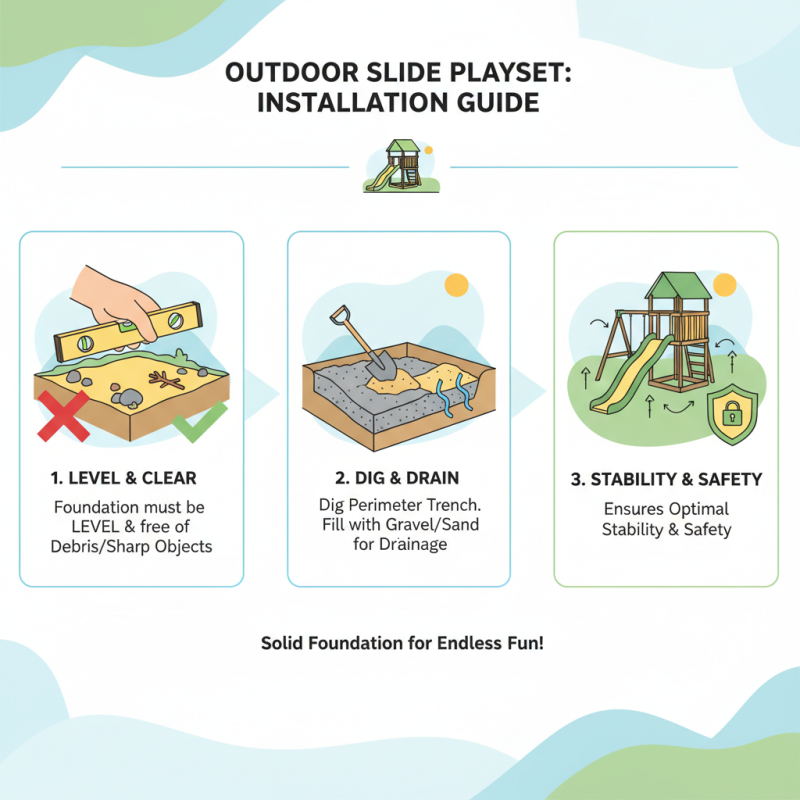
When selecting the perfect outdoor slide playset, understanding the installation requirements is crucial for ensuring optimal stability and safety. A solid foundation is essential; the area should be level and clear of any debris or sharp objects. Additionally, it’s recommended to dig a small trench around the perimeter to fill with gravel or sand, which aids in drainage and prevents water pooling that could undermine the structure.
In terms of installation tips, always refer to the manufacturer’s guidelines for specific requirements related to dimensions and support structures. Properly securing the playset to the ground is key—consider using ground anchors or stakes for additional stability. Regularly checking for wear and tear after installation can help maintain the integrity of the playset over time.
Lastly, consider the surrounding environment—make sure that the play area is clear of trees, fences, or other hazards that could pose a risk during play. Installing a cushioned surface, such as rubber mulch or pea gravel, under and around the slide can further enhance safety. By prioritizing these installation requirements, you can create a safe and enjoyable outdoor space for your children to play.
Assessing Maintenance Needs to Ensure Longevity of Outdoor Playsets
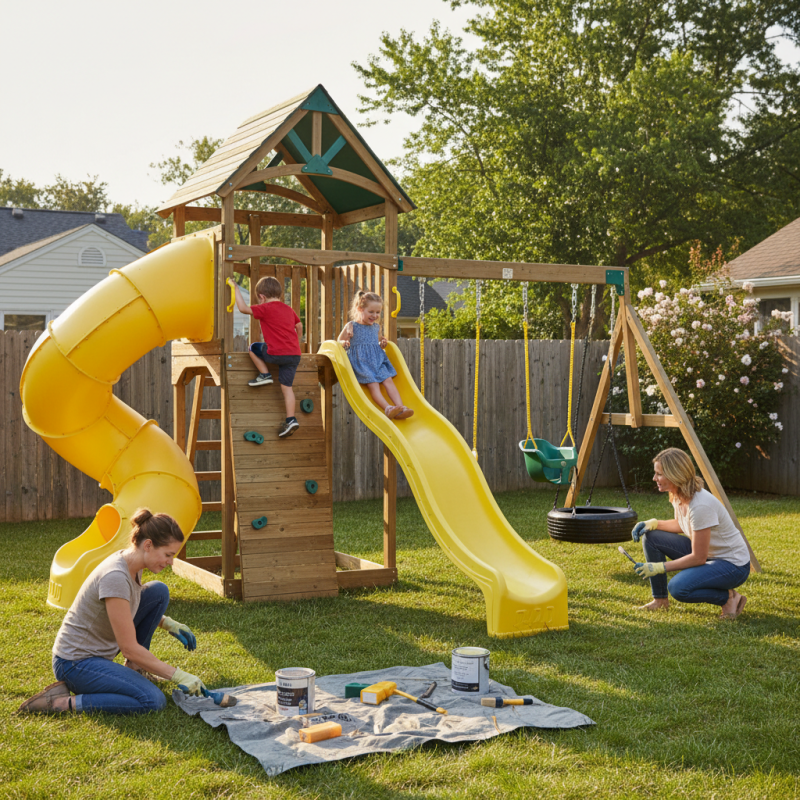
When selecting an outdoor slide playset for your kids, considering the maintenance needs is crucial for ensuring its longevity. Regular maintenance can prevent minor issues from escalating into major repairs. One of the primary aspects to assess is the material of the playset. Wooden structures may require periodic sealing or staining to protect them from weather damage, while metal playsets should be inspected for rust or corrosion. By choosing materials that are not only durable but also easy to maintain, you can significantly extend the lifespan of the playset.
In addition to material considerations, periodic cleaning is essential. Debris, dirt, and moisture can accumulate on the surface, leading to mold growth or deterioration. Establishing a routine to inspect and clean the slide and surrounding area can prevent unsafe conditions for your children. Additionally, check for loose screws, cracks, or signs of wear regularly. Addressing these small maintenance tasks proactively will not only enhance the safety of the playset but also ensure that it remains a source of joy and adventure for years to come.
 +86-13901441113

 CONTACT NUMBER
 CONTACT NUMBER