10 Essential Tips for Creating an Engaging Nursery Outdoor Play Area
Creating a vibrant and engaging outdoor play area for nurseries is essential for the holistic development of young children. Recent studies in the field of early childhood education reveal that outdoor play not only fosters physical health but also enhances cognitive abilities, social skills, and emotional well-being. According to a report by the International Play Association, children who have access to nature-based play experiences exhibit 20% higher levels of creativity compared to those who play in conventional settings. This highlights the vital role of well-designed Nursery Outdoor Play spaces in shaping a child's learning journey.
Expert in child development, Dr. Emily Hargrove, emphasizes the importance of these environments: "A thoughtfully designed outdoor play area can be a cornerstone of learning, providing opportunities for exploration, imagination, and social interaction that indoor spaces simply cannot offer." As we look forward to 2025 and beyond, it is imperative for early childhood educators and nursery administrators to prioritize the enhancement of outdoor play areas. By following strategic design guidelines and incorporating natural elements, nurseries can create immersive experiences that align with the developmental needs of children. The following ten tips will guide you in crafting an unforgettable Nursery Outdoor Play area that not only captivates young learners but also promotes their overall growth and development.

Designing Safe and Inviting Boundaries for Nursery Outdoor Play Areas
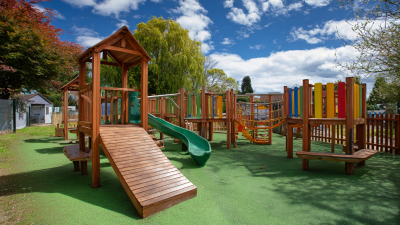
Designing safe and inviting boundaries for nursery outdoor play areas is crucial for fostering a nurturing environment where children can explore and develop. The boundaries should be clearly defined yet inviting to encourage children to engage in play. Using natural elements like low fences made from timber or hedges can provide a sense of enclosure while allowing children to feel connected to nature. Soft surfaces, such as grass or rubber mats, can further enhance safety, reducing the risk of injuries during exuberant play.

In addition to physical boundaries, incorporating elements that stimulate exploration and creativity can make the play area more engaging. Consider using colorful signage, artistic murals, or sensory paths to draw children’s interest and encourage them to interact with their surroundings. Creating shaded areas with canopies or trees also allows for safe play in varying weather conditions, providing a comfortable atmosphere for outdoor activities. All design choices should prioritize safety and accessibility to ensure every child feels welcome and secure in their outdoor play space.
Incorporating Natural Elements to Stimulate Exploration and Learning
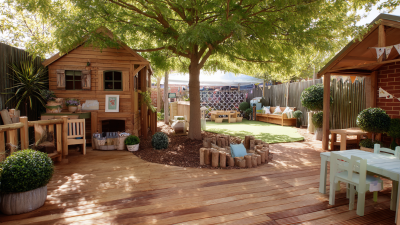
Creating an engaging nursery outdoor play area that incorporates natural elements can significantly enhance children's exploration and learning experiences. The first step is to design spaces that encourage curiosity. Consider incorporating features like flower beds, sensory gardens, and tree stumps, which can serve as natural seating or climbing structures. These elements not only create a visually stimulating environment but also offer opportunities for sensory exploration as children touch, smell, and observe the beauty of nature around them.
Another effective tip is to integrate water play features such as small ponds or streams, which can attract children’s interest. Children can learn about ecosystems and the water cycle while playing, fostering both engagement and education. Additionally, providing tools such as magnifying glasses or insect observation kits can encourage young explorers to investigate their surroundings closely. By incorporating these natural elements, you create an inspiring space where children can thrive, learn, and develop a lasting appreciation for the outdoors.
10 Essential Tips for Creating an Engaging Nursery Outdoor Play Area
| Tip Number |
Tip |
Natural Element |
Benefits |
| 1 |
Incorporate Sand and Water Play |
Sand, Water |
Enhances sensory experiences and fine motor skills. |
| 2 |
Create a Nature Trail |
Plants, Rocks |
Encourages exploration and observation skills. |
| 3 |
Establish a Garden Area |
Flowers, Vegetables |
Teaches responsibility and the basics of gardening. |
| 4 |
Provide Climbing Structures |
Logs, Wooden Climbing Frames |
Improves physical skills and builds confidence. |
| 5 |
Use Natural Loose Parts |
Sticks, Stones, Leaves |
Sparks creativity and imaginative play. |
| 6 |
Add Musical Elements |
Bamboo, Shells |
Encourages auditory exploration and rhythm. |
| 7 |
Install Environmental Art Areas |
Natural Materials for Art |
Promotes artistic expression and environmental awareness. |
| 8 |
Create Rest Areas |
Natural Shade Trees |
Provides a calming space for rejuvenation and quiet play. |
| 9 |
Integrate Water Features |
Fountains, Ponds |
Encourages sensory exploration and understanding of ecosystems. |
| 10 |
Host Outdoor Learning Sessions |
Natural Settings |
Fosters curiosity and social interactions. |
Selecting Age-Appropriate Play Equipment for Maximum Engagement
Creating an engaging nursery outdoor play area requires careful selection of age-appropriate play equipment to ensure maximum engagement for young children. According to recent reports on child development toys, it's crucial to tailor play equipment to align with children's developmental milestones. For instance, fine motor skills and sensory exploration are paramount for infants and toddlers. Therefore, soft climbing structures, sensory play tables, and interactive musical instruments can effectively support their growth and foster curiosity (Child Development Toys by Age).
As children grow, their play needs evolve. For preschoolers, incorporating equipment that promotes gross motor skills is essential. Options such as low slides, balance beams, and creative playhouses encourage physical activity and imaginative play, which are vital at this stage (10 Best Outdoor Toys for 8-Year-Olds). Furthermore, understanding the recommended age ranges for certain toys can enhance engagement, as children are more likely to interact positively with equipment specifically designed for their age group, ensuring a rich and enjoyable play experience that promotes socialization and physical development.

Creating Interactive Zones for Imaginative Play and Social Interaction
Creating an engaging outdoor play area for a nursery is essential for
fostering imaginative play and
social interaction among young children. By incorporating
interactive zones, you can transform a simple playground into a vibrant environment that stimulates
creativity and encourages cooperation.
One effective tip is to establish various themed areas, such as a
nature exploration zone,
a water play section, or an art corner. These distinct spaces invite children to use their imagination
while allowing them to engage in collaborative play.
For instance, a mud kitchen can spark culinary adventures where children create imaginary meals while enhancing
their social skills as they share and negotiate roles.
Another important aspect is to include flexible, open-ended materials that children can use in different
ways. Providing items like large blocks, fabric, or loose parts encourages
creative thinking and fosters teamwork as
kids decide how to use these resources together. Additionally, incorporating
natural elements, such as logs, stones, and plants, can inspire
imaginative scenarios and enhance their sensory experience, allowing them to connect more deeply
with their surroundings.
Utilizing Shade and Shelter to Enhance Comfort in Outdoor Play Spaces
Creating an engaging outdoor play area for nurseries requires careful consideration of shade and shelter to enhance comfort for children. Research indicates that unprotected exposure to the sun can lead to overheating and heat-related illnesses in children, emphasizing the importance of incorporating shade structures. According to the American Academy of Pediatrics, children’s bodies heat up three to five times faster than adults, making shaded play areas critical for safe outdoor activities. By strategically placing canopies, trees, or shade sails throughout the play space, caregivers can ensure children remain cool and comfortable, allowing them to play more freely and for longer durations.
Additionally, providing shelter from inclement weather can significantly extend the usability of outdoor play areas. A report by the National Association for the Education of Young Children suggests that access to sheltered spaces encourages outdoor play even in light rain or windy conditions, promoting resilience and adaptability. Incorporating features like covered play structures or natural windbreaks not only enhances comfort but also fosters a more engaging outdoor environment, enabling children to explore outdoors regardless of weather limitations. Ensuring a well-thought-out design with ample shade and shelter can transform nursery outdoor play spaces into vibrant, safe, and enjoyable environments for young learners.
Engaging Nursery Outdoor Play Area: Impact of Shade and Shelter
 +86-13901441113

 CONTACT NUMBER
 CONTACT NUMBER