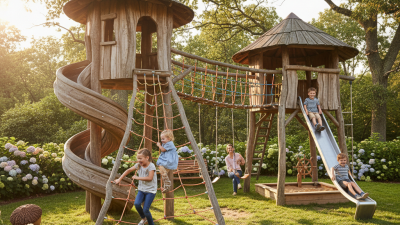
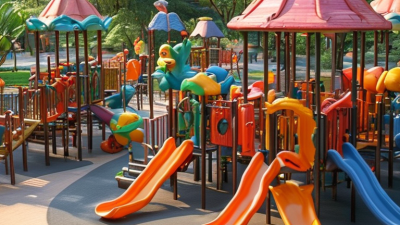
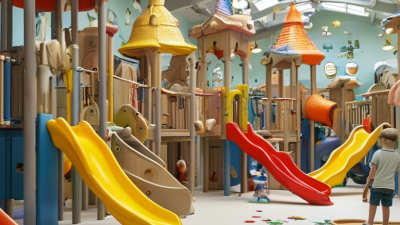
Ultimate Guide to Choosing the Best Play Sets for Kids?
Choosing the right play sets for kids is crucial for their development. According to the Toy Industry Association, the outdoor play market alone was valued at over $1 billion in 2022. Play sets not only boost physical activity but also foster creativity and social skills. Engaging with these sets can reduce screen time, a growing concern for many parents.
It’s important to consider safety standards and age appropriateness when selecting play sets. The American Academy of Pediatrics emphasizes that play promotes healthy brain development. However, not all sets meet these essential criteria. Parents often face challenges in identifying quality options amid a saturated market. Many play sets may look appealing but lack durability or safety features.
Investing in well-designed play sets can provide lasting benefits. A quality play set encourages children to explore and engage in imaginative play. However, many parents overlook long-term value. Some sets may need constant repairs or replacements, leading to additional costs. It’s essential to weigh these factors carefully. Making informed choices can enhance children’s play experiences and support their growth.
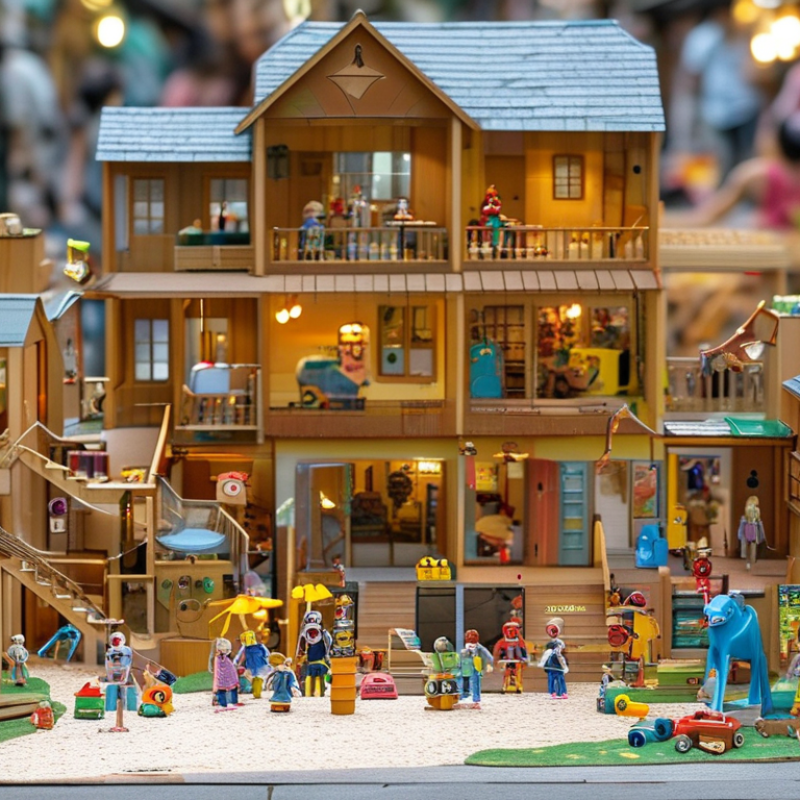
Understanding the Importance of Play Sets in Child Development
Play sets are crucial for child development. They provide a safe space for creativity. During play, children engage in physical activity, which strengthens their muscles and coordination. This is essential for their motor skills. When kids climb or swing, they build confidence in their abilities.
Imaginative play is another huge benefit. Children create stories and roles. This fosters social skills as they learn to communicate and cooperate with peers. They navigate conflicts and build friendships through shared experiences. However, not every child feels comfortable in group play. Some may find it overwhelming.
Selecting the right play set can enhance these benefits. Look for features that encourage interaction, such as slides and climbing walls. However, ensure safety remains a priority. A poorly designed play set can lead to injuries. So, always check for sturdy materials and safe assembly. As parents and caregivers, reflect on what your child enjoys. Their interests can guide your choices.
Ultimate Guide to Choosing the Best Play Sets for Kids
| Play Set Type |
Age Range |
Benefits |
Key Features |
Average Price ($) |
| Swing Set |
3-10 years |
Improves motor skills, promotes outdoor play |
Multiple swings, slides, climbing areas |
200-500 |
| Playhouse |
2-8 years |
Encourages imaginative play, social skills |
Windows, doors, outdoor kitchen elements |
150-400 |
| Sand and Water Table |
1-6 years |
Sensory play, fine motor skills development |
Two sections for sand and water, easy drain |
50-150 |
| Climbing Frame |
4-12 years |
Physical fitness, risk assessment skills |
Ropes, ladders, various climbing surfaces |
150-300 |
| Trampoline |
5-15 years |
Improves coordination, strengthens muscles |
Safety net, padded edges, various sizes |
100-400 |
Key Features to Look for in Quality Play Sets
When selecting the ideal playset for kids, certain key features should stand out. Safety is paramount. According to a report from the American Society for Testing and Materials (ASTM), nearly 200,000 children visit the ER for playground-related injuries annually. This emphasizes the need for structures designed with soft edges, rounded corners, and sufficient space between components. Parents should carefully inspect materials used in the construction. Look for non-toxic, weather-resistant materials that can withstand years of playtime.
Another essential aspect is the playset's versatility. The best sets offer a range of activities to encourage physical and social development. A recent study indicated that multi-functional playsets can enhance children's motor skills. Features like slides, swings, climbing walls, and interactive panels fulfill this need. However, many consumers overlook the importance of scalability. As children grow, their interests change. Choosing a playset with expandable features can adapt to their evolving play needs. Remember, though, that price isn’t always an indicator of quality. Sometimes, lower-priced options can meet safety and functionality standards effectively.
Durability should also be a consideration. A National Recreation and Park Association (NRPA) report illustrates that quality playsets can last over a decade with proper maintenance. Look for warranties that reflect the manufacturer's confidence in their product. Yet, even well-made playsets require upkeep. Regular inspections are essential to ensure safety and functionality. Finding balance in these features can aid parents in making informed choices.
Safety Standards and Regulations for Children's Play Equipment
When selecting play sets for kids, safety should be a top priority. Children are naturally curious and active. Therefore, it’s essential to choose equipment that adheres to strict safety standards and regulations. Look for certifications from recognized authorities that ensure the play equipment meets safety guidelines. This helps prevent accidents and injuries during playtime.
Most play sets should be made from durable materials. Ensure that sharp edges are minimized. The right design can keep children safe while they enjoy their outdoor adventures. Always check for stability to prevent tipping hazards. Soft ground or rubber mats can also create a safer landing area beneath play structures.
Tips for maintaining safety: Regularly inspect the play set for wear and tear. Look for any rust or splintered wood. If you notice any damage, it’s best to repair or replace the parts immediately. Encourage children to play in groups, as supervision is crucial. Active monitoring can reduce the risk of accidents and ensure everyone is having fun safely.
Comparing Material Types: Wood, Plastic, and Metal for Durability
When selecting the best play sets for kids, durability is crucial. The material choice plays a vital role in this aspect. Wood, plastic, and metal are the three common materials used in play sets, each offering unique characteristics.
Wooden play sets are renowned for their sturdy build. They can withstand rough usage and various weather conditions. According to a report by the American Society for Testing and Materials (ASTM), wood can last up to 15 years with proper maintenance. However, it can require ongoing upkeep, such as painting or staining, to prevent rot or splinters. Children might not always handle equipment carefully, and this can lead to wear over time.
Plastic, on the other hand, tends to be lighter and easier to assemble. Many families prefer it for its colorful designs and low maintenance. The Consumer Product Safety Commission highlights that plastic sets last about 5 to 10 years. However, they may become brittle with exposure to sunlight, making them less reliable in the long run. Additionally, sharp edges and wear from UV exposure can affect safety and enjoyment.
Metal sets offer exceptional strength, often lasting over a decade. They are highly resistant to the elements. Yet, they can heat up under direct sunlight, posing a risk for kids. Rust may develop over time if not properly treated. Each material has its pros and cons, which can greatly impact the play experience. Choosing the right one requires considering the specific needs and usage patterns of the children.
Budgeting for Play Sets: Cost Analysis and Long-term Value
When budgeting for play sets, understanding costs is crucial. Prices can vary significantly based on materials, size, and features. Many parents aim for affordable options, but the cheapest choice isn't always best. Lower-priced sets may compromise on safety and durability.
Long-term value should be a priority. A higher initial investment might result in fewer repairs and replacements. Parents should consider how often their kids will use the set and how many years it will last. Durable materials can withstand weather and active play.
Think about added expenses too. Installation, maintenance, and safety features can impact overall costs. Set aside funds for these aspects. Each decision made today affects your finances tomorrow. Weigh the immediate savings against future costs for a well-rounded approach.
 +86-13901441113

 CONTACT NUMBER
 CONTACT NUMBER