Creating an Inspiring Outdoor Play Space for Your Nursery: Tips and Ideas
Creating a nurturing and stimulating environment for children is essential, and an integral part of this is the design of a vibrant Nursery Outdoor Play area. Outdoor play spaces not only promote physical activity but also encourage imaginative play, social interactions, and a deeper connection with nature. In this article, we will explore a variety of tips and ideas to inspire the development of an engaging outdoor play space tailored specifically for nurseries. By incorporating elements such as natural materials, diverse play equipment, and inclusive activities, we can create an inviting atmosphere that fosters creativity and exploration. Join us as we delve into practical strategies and innovative concepts that will help transform your nursery outdoor play area into a dynamic environment where children can thrive and enjoy their formative years to the fullest.
The Importance of Outdoor Play for Child Development: Industry Insights
Outdoor play is essential for child development, offering numerous benefits that traditional indoor activities cannot match. According to the American Academy of Pediatrics, playing in natural environments can significantly enhance children's emotional, social, and physical well-being. Research indicates that children who regularly engage in outdoor play exhibit lower levels of stress and anxiety, improved mood, and greater self-discipline. Furthermore, a study published in the journal "Environment and Behavior" found that children who spend more time outdoors develop stronger social skills and exhibit better cooperation with peers.
The importance of outdoor play is further supported by the National Association for the Education of Young Children (NAEYC), which emphasizes that outdoor experiences facilitate active learning through exploration and discovery. As children interact with natural elements, they develop critical thinking and problem-solving skills. In fact, a report by the Centers for Disease Control and Prevention (CDC) highlights that children who are physically active outdoors are better prepared for academic challenges, as such activities improve attention spans and boost cognitive development. These insights underline the need for nursery facilities to prioritize the creation of inspiring outdoor play spaces that nurture these essential skills and experiences.
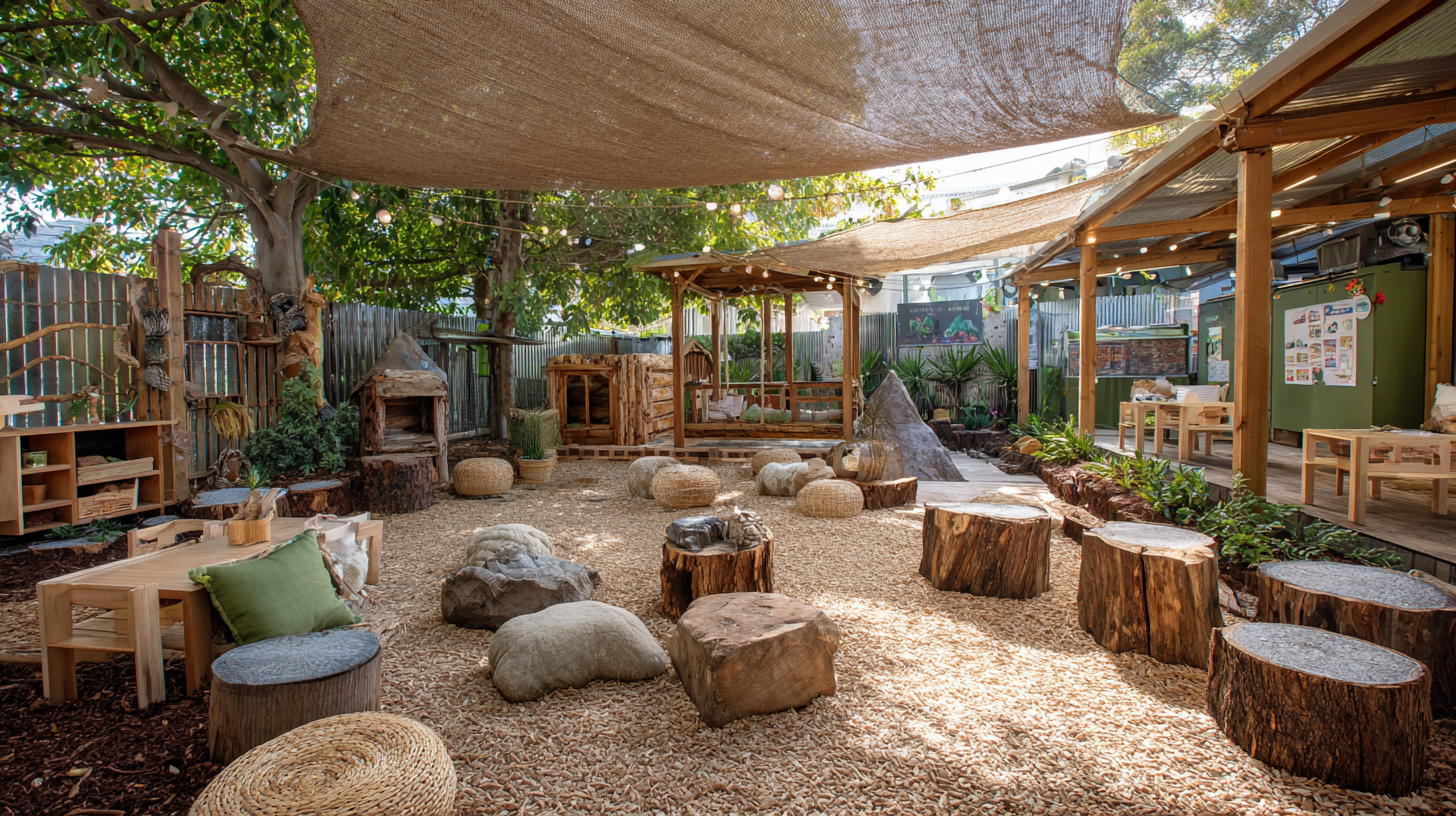
Key Elements of an Inspiring Outdoor Play Space for Nurseries
When designing an inspiring outdoor play space for nurseries, several key elements should be considered to foster creativity and exploration among young children.
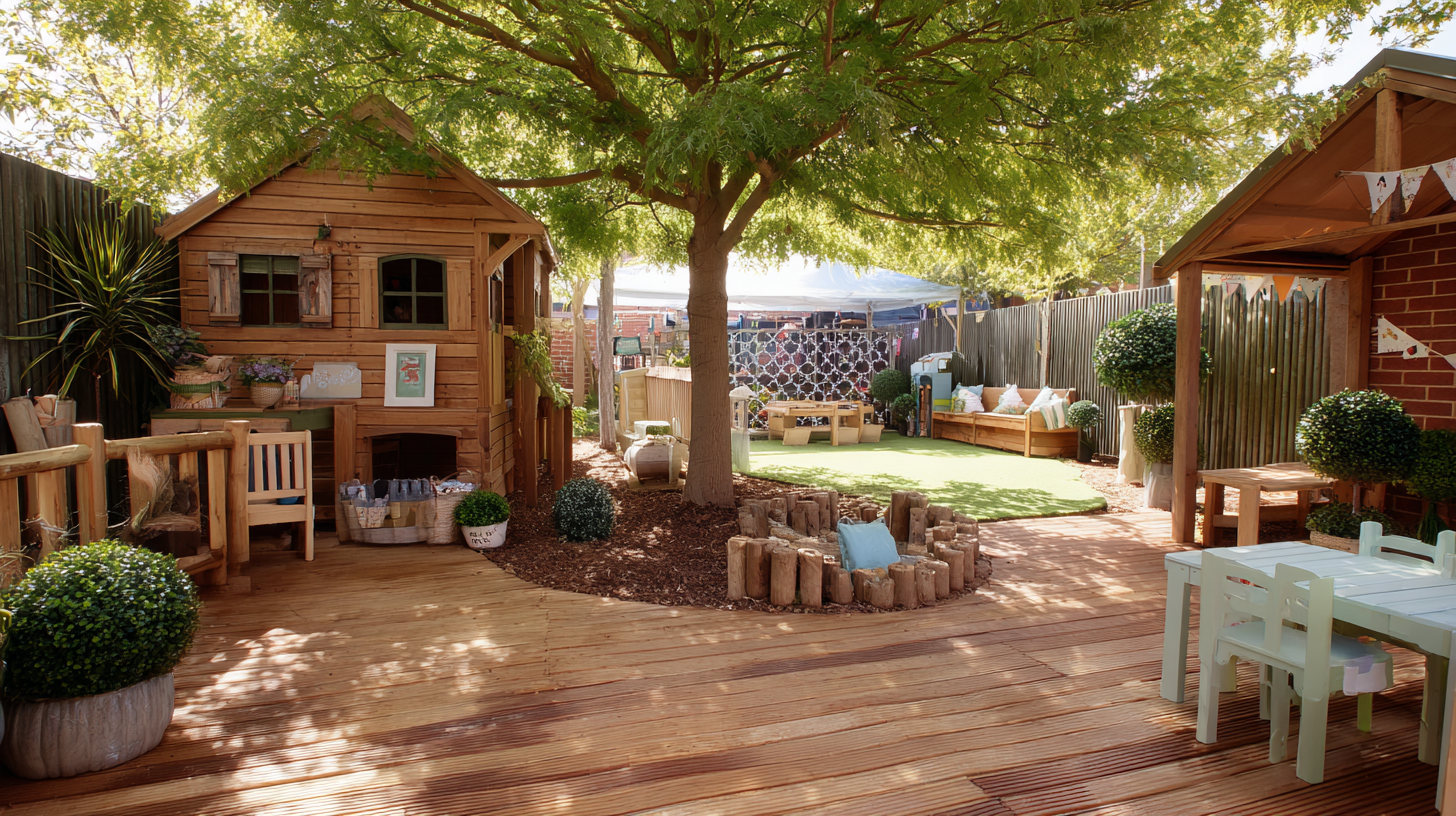
First and foremost, safety is paramount. Installing soft surfaces like mulch or rubber mats can minimize injuries from falls while allowing children to explore freely. Additionally, incorporating natural elements such as trees, bushes, and flower beds not only enhances the aesthetic appeal but also provides a sensory experience that encourages children to engage with their environment.
Variety in play equipment is another essential aspect. A mix of climbing structures, swings, and slides can cater to different age groups and developmental stages. Moreover, creating designated areas for specific activities—like a sandpit for tactile play or a water zone for experimentation—can stimulate curiosity and cooperative play among children. Finally, integrating outdoor art stations or musical instruments fosters creativity and self-expression, turning the space into a dynamic environment where children can learn through play.
Integrating Nature: Benefits of Natural Elements in Outdoor Play Areas
Integrating natural elements into outdoor play spaces offers a myriad of benefits for children's development and well-being.
Research indicates that children who engage with nature exhibit improved cognitive functioning, enhanced social skills, and increased physical activity. The American Academy of Pediatrics emphasizes that time spent outdoors can mitigate symptoms of ADHD, helping children focus better and be more engaged in learning.
Incorporating trees, plants, and natural materials into play areas can create a stimulating environment that fosters creativity and exploration.
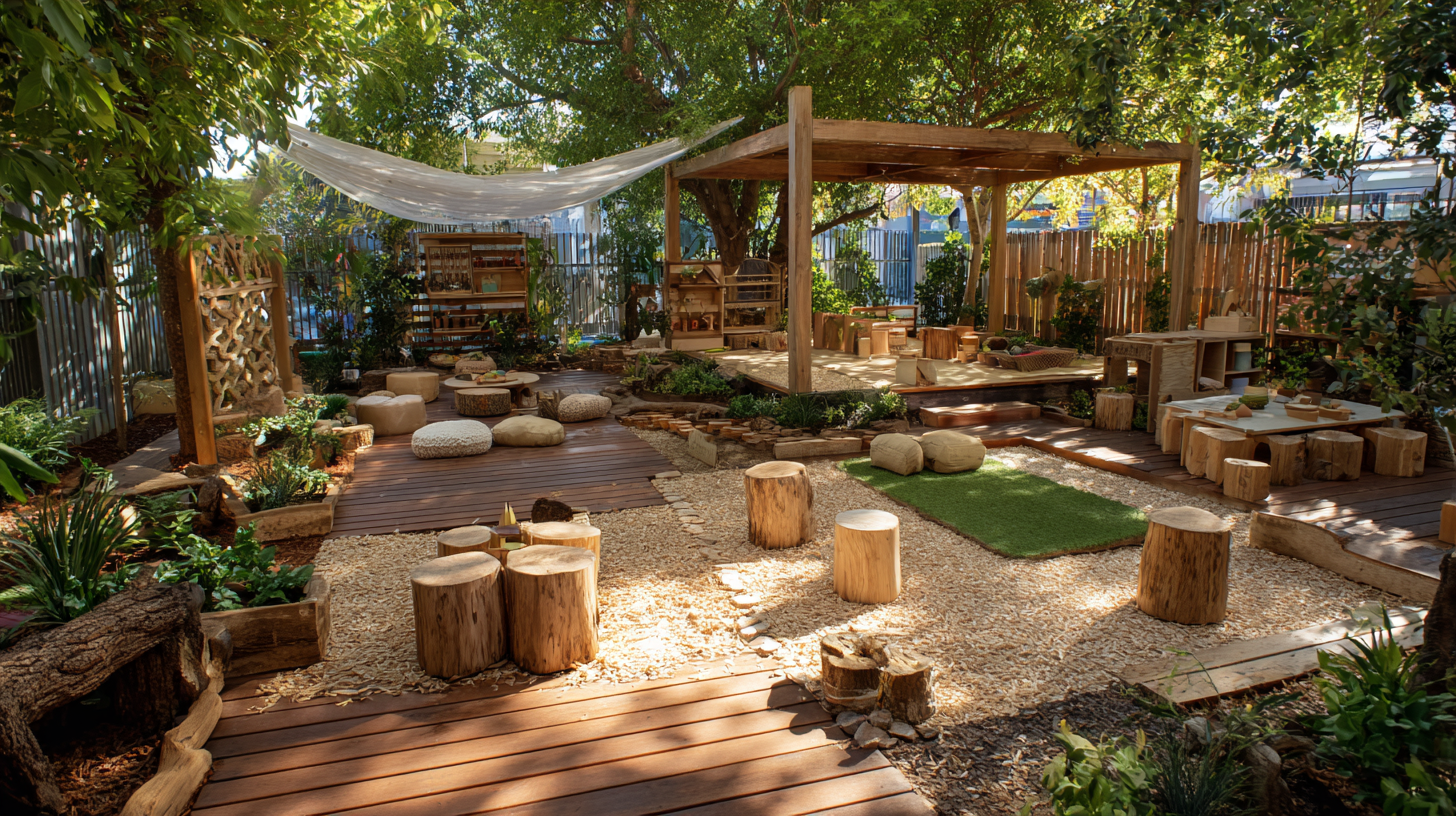
When designing an outdoor play space, consider incorporating diverse natural features such as
botanical gardens, natural climbing structures, and sandy creek beds.
These elements not only enhance the aesthetic appeal but also encourage children to use their imagination.
A study by the Nature Conservancy found that children exposed to natural environments are
30% more likely to engage in unstructured play, which is critical for their autonomy and problem-solving skills.
Tips for Integrating Nature:
1. Use Natural Materials: Opt for wooden play structures, stone paths, and sand pits to create a more organic atmosphere.
2. Plant a Vegetable Garden: Allowing children to participate in planting and nurturing a garden can deepen their connection to nature and enhance their understanding of ecology.
3. Create Spaces for Exploration: Designate areas for exploration with logs, boulders, and water features, encouraging children to interact with their environment and learn through play.
Safety Considerations: Ensuring a Secure Outdoor Environment for Young Children
When designing an outdoor play space for a nursery, safety must be the top priority. Young children are naturally curious and adventurous, making it essential to create an environment that minimizes risks while encouraging exploration.
First, ensure that the play area is enclosed with secure fencing to prevent children from wandering off. Gates should be easy for adults to operate but challenging for children. Regular inspections of the fencing and gates will help maintain this secure boundary.
Additionally, choose age-appropriate play equipment that meets safety standards. Soft, durable surfaces such as rubber mats or grass can reduce the risk of injury from falls. Always check for sharp edges, broken parts, or unsafe materials.
Lastly, incorporate shaded areas to protect children from harsh sunlight, ensuring they stay cool and comfortable during outdoor play. By focusing on these safety considerations, you can create an inspiring and secure outdoor play space that nurtures a child's adventurous spirit while prioritizing their well-being.
Engaging Activities: Stimulating Creativity and Physical Development Through Play
Creating an outdoor play space in a nursery can significantly enhance children's creativity and physical development. Engaging activities in this environment are essential, as studies show that children who have access to outdoor play spaces exhibit a 25% increase in physical activity compared to those who engage solely in indoor play. Activities such as climbing, running, and interactive games not only promote enhanced motor skills but also stimulate imaginative play, crucial for cognitive development.
When designing your outdoor play area, consider incorporating elements that inspire creativity. For example, a nature exploration zone equipped with natural materials like stones, leaves, and sticks allows children to create their own play scenarios. Additionally, open-ended play structures encourage children to envision and build their play experiences, fostering both teamwork and innovation.
Tips for Creating Your Space:
- Integrate sensory pathways that feature different textures to stimulate tactile experiences.
- Provide various spaces for both active play, like slides and climbing walls, and quieter areas for reflection, such as reading nooks surrounded by greenery.
- Incorporate art stations outdoors to express creativity, using washable materials that can withstand the elements and allow for messy, uninhibited artistic exploration.
Research suggests that outdoor play not only benefits children's physical health but also enhances social skills, emotional well-being, and creativity, making it an invaluable component of early childhood education.
 +86-13901441113

 CONTACT NUMBER
 CONTACT NUMBER