Maximizing Child Development Through Innovative Playground Facilities in Urban Settings
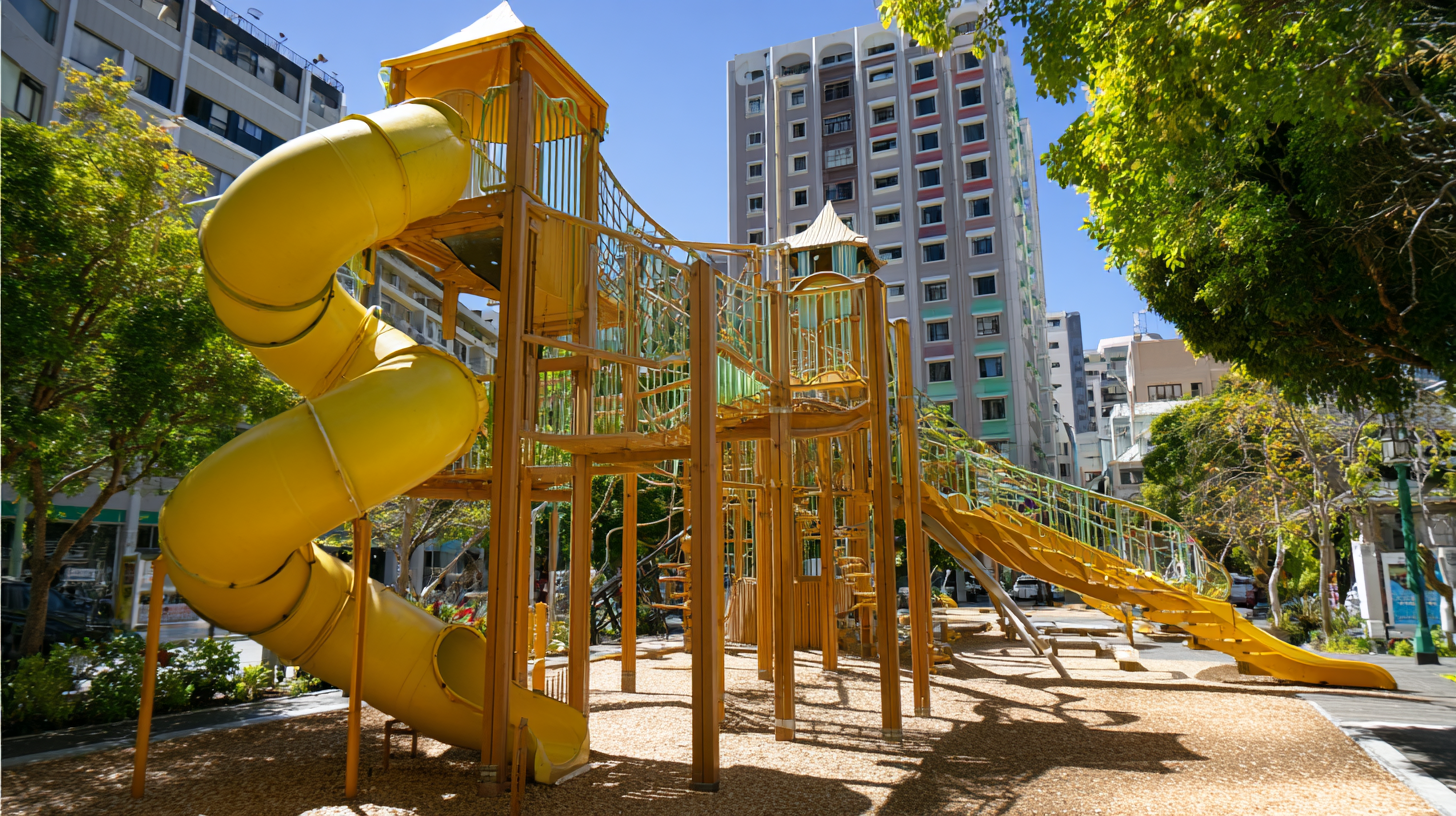 In the context of urban development, the strategic design and implementation of innovative playground facilities are crucial for maximizing child development. Research indicates that access to well-equipped playgrounds significantly enhances children's physical and psychological well-being, with studies showing that children who engage in regular outdoor play exhibit improved motor skills, social interactions, and confidence levels. According to a report by the National Recreation and Park Association (NRPA), communities with high-quality playground facilities see a reduction in childhood obesity rates by up to 25%, stemming from increased physical activity in children aged 3-12. Moreover, the American Academy of Pediatrics emphasizes the necessity of safe and stimulating play environments as a foundation for healthy childhood development. Therefore, urban planners and policymakers must prioritize the creation of diverse and engaging playground facilities that can foster essential life skills and promote holistic health in children.
The Importance of Playgrounds in Urban Child Development
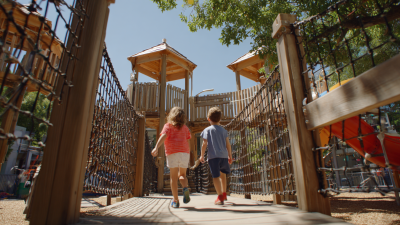
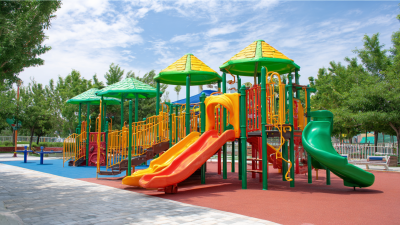
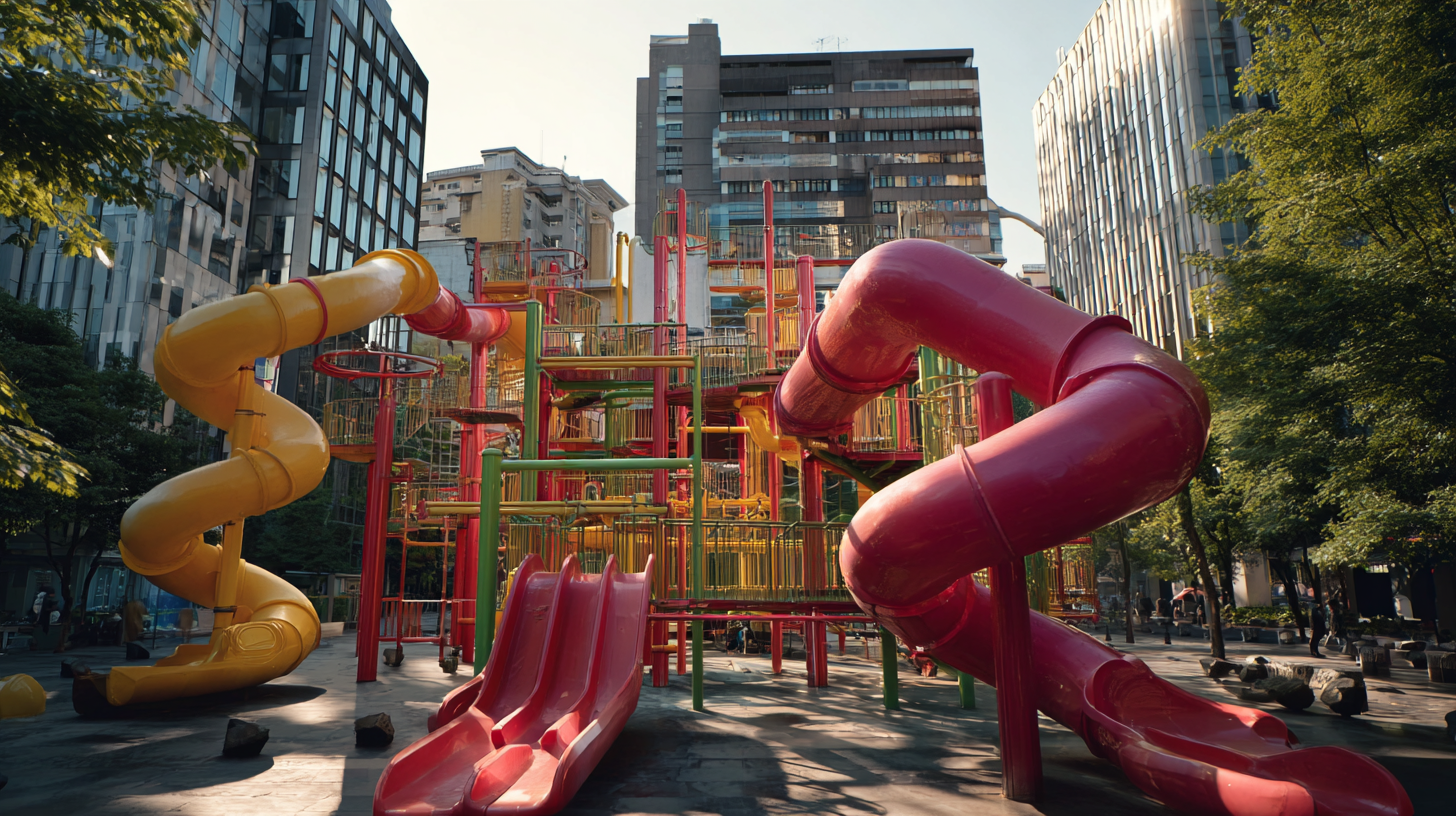
Playgrounds play an essential role in urban child development, providing a safe and stimulating environment for children to explore, learn, and grow. In densely populated areas where green spaces are limited, innovative playground facilities can bridge the gap by fostering both physical and cognitive development. These spaces encourage children to engage in active play, which is critical for developing motor skills, strength, and coordination. Furthermore, through imaginative play, children cultivate creativity and problem-solving abilities, essential skills for their future education and life experiences.
Additionally, modern playgrounds in urban settings often incorporate inclusive designs that cater to children of all abilities, promoting social interaction and empathy among peers. Such environments invite diverse groups to come together, building strong community ties while diminishing social barriers. As children navigate various play structures and collaborate in group activities, they learn vital social skills, including communication, teamwork, and conflict resolution. Thus, prioritizing innovative playgrounds in urban planning is not just an investment in children’s play; it's an investment in the holistic development and future of urban communities.
Innovative Design Features That Foster Learning and Interaction
Innovative playground facilities in urban settings can significantly enhance child development by incorporating design features that promote learning and interaction. According to a report by the American Academy of Pediatrics, engaging in outdoor play not only improves physical health but also boosts cognitive and social skills among children. By integrating elements such as interactive play structures and community gardens, urban playgrounds can serve as dynamic learning environments that foster creativity and collaborative skills.
Implementing AI strategies in playground design can revolutionize the way children interact with their surroundings. For instance, utilizing augmented reality (AR) can turn ordinary play equipment into immersive learning tools. A study by the National Toy Industry Association found that toys designed with educational value in mind can increase engagement levels by up to 70%. Furthermore, feedback-driven play experiences allow children to explore concepts like teamwork and problem-solving in real-time, demonstrating the potential of innovative playgrounds as essential spaces for holistic child development in urban areas.
Maximizing Child Development Through Innovative Playground Facilities in Urban Settings
This chart illustrates the impact of various innovative playground design features on children's development in urban settings. The data reflects the percentage of parents and educators who believe these features significantly enhance children's learning and interaction.
Accessibility: Ensuring All Children Can Benefit from Play Areas
Accessibility is a crucial factor in maximizing child development through innovative playground facilities, especially in urban settings. Play areas should be designed to accommodate children of all abilities, ensuring that everyone has the opportunity to engage in play. This means incorporating features such as wheelchair-accessible pathways, sensory-rich environments for children with autism, and adaptive play structures. By doing so, we not only promote physical activity but also foster social interactions among children, helping them learn vital skills such as cooperation and empathy.
Incorporating universal design principles is essential for creating inclusive playgrounds. Urban planners and designers must consider factors such as surface material, equipment height, and safety measures, ensuring they cater to a diverse range of needs. For instance, tactile elements can be added for visually impaired children, while climbing features can provide challenges for all ages. By prioritizing accessibility, we create environments that not only enhance physical development but also support cognitive and emotional growth, allowing every child to experience the joy and benefits of play.
Maximizing Child Development Through Innovative Playground Facilities in Urban Settings - Accessibility: Ensuring All Children Can Benefit from Play Areas
| Playground Type |
Number of Accessible Features |
Age Range Supported |
Location |
Beneficiary Children |
| Community Park Playground |
10 |
2-12 years |
Downtown District |
150 |
| School Playground |
5 |
5-10 years |
Suburban Area |
120 |
| Nature Play Area |
8 |
3-8 years |
Urban Green Space |
90 |
| Inclusive Playground |
12 |
1-15 years |
City Center |
200 |
| Adventure Playground |
6 |
6-12 years |
Riverside Park |
130 |
Integrating Nature: Biophilic Elements in Urban Playgrounds
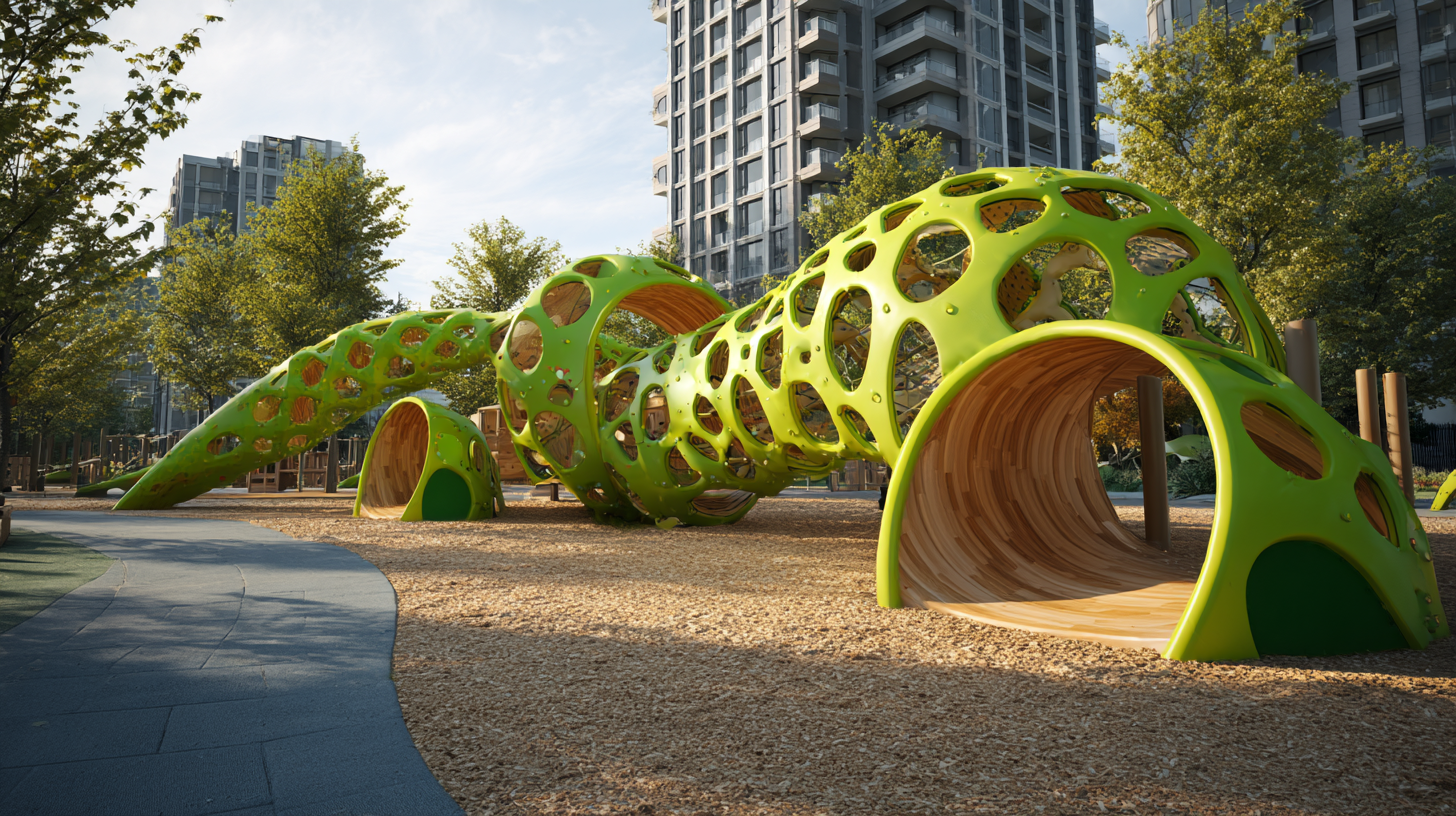
Urban playgrounds play a crucial role in child development, and integrating nature through biophilic elements can enhance this experience significantly. By incorporating natural materials, greenery, and water features, these spaces can stimulate children's senses and foster creativity. For example, using logs, stones, and plants in play structures not only makes the environment visually appealing but also encourages children to explore and manipulate their surroundings. This interaction with nature helps develop fine motor skills, promotes physical activity, and fosters a sense of responsibility towards the environment.
Moreover, biophilic design can transform urban playgrounds into holistic learning environments. Spaces that mimic natural ecosystems, such as butterfly gardens or sensory trails with diverse plant life, provide educational opportunities for children. These elements promote curiosity and can be integrated into guided activities, where kids learn about biodiversity and their role within it. By bridging the gap between structured play and nature, urban playgrounds can nurture well-rounded individuals who appreciate and engage with the world around them. Emphasizing these natural elements in design not only benefits children's developmental needs but also contributes to the overall well-being of urban communities.
Community Engagement: Building Inclusive Spaces for Families
Creating inclusive playground spaces is vital for fostering community engagement, especially for families with children of diverse abilities. Recent initiatives highlight the importance of developing environments that welcome all families, particularly those of children with disabilities. For example, an innovative After School Skills Development Program (ASSDP) has been designed to support children with autism through play-based learning, emphasizing the role of community facilities as safe havens for growth and interaction.
To effectively maximize child development in these innovative playgrounds, community involvement is crucial. Families should participate in the design process to ensure the spaces meet their needs. Incorporating feedback from diverse families can improve accessibility and enhance the overall experience for everyone.
Tips for Enhancing Community Engagement:
- Host workshops and focus groups with families to gather insights on their needs and preferences regarding playground facilities.
- Collaborate with local organizations to create inclusive programs that cater to children with various abilities, ensuring that playgrounds serve as versatile community hubs.
- Encourage ongoing communication between families and local governments to sustain community-led initiatives that prioritize inclusivity in public spaces.
By fostering an inclusive atmosphere in urban playgrounds, communities can support the holistic development of all children and strengthen family bonds.
 +86-13901441113

 CONTACT NUMBER
 CONTACT NUMBER