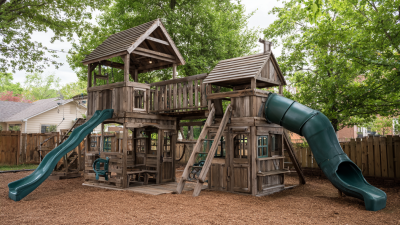
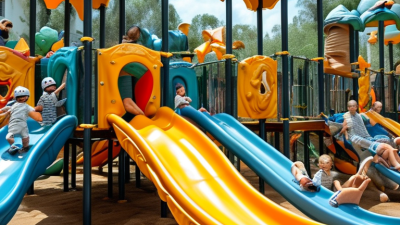
Top Tips for Nursery Outdoor Play Equipment that Boosts Development?
Outdoor play is essential for children’s development. According to a report by the Outdoor Play and Learning Association, over 80% of early childhood educators believe that outdoor play experiences enhance creativity and physical fitness. Providing the right nursery outdoor play equipment can significantly contribute to this essential developmental phase.
Dr. Lucy Hargreaves, an expert in early childhood education, states, "The right outdoor play environment fosters not only physical skills but also emotional resilience." Her insights underline the importance of providing engaging outdoor play options. When children interact with well-designed equipment, they develop motor skills, social interactions, and problem-solving abilities.
However, not all nursery outdoor play setups are created equal. Some may lack age-appropriate features or engaging elements. Reflecting on this, educators need to assess the effectiveness of their outdoor play provisions regularly. High-quality, stimulating environments can make a notable difference in children’s growth. Investing in the right equipment can ultimately shape their formative years positively.
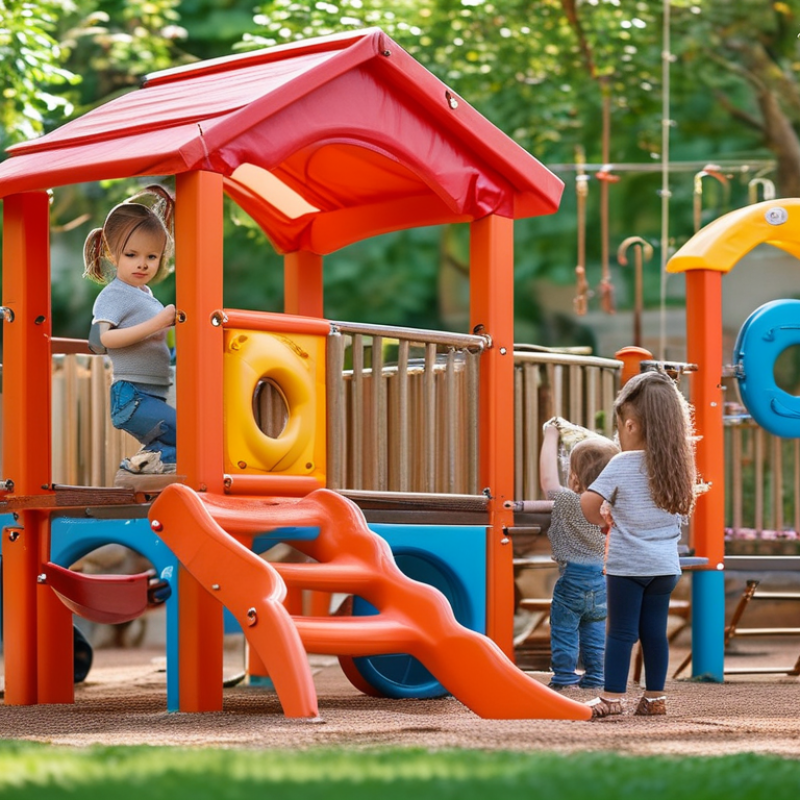
Essential Features of Effective Outdoor Play Equipment for Nurseries
When choosing outdoor play equipment for nurseries, it's crucial to consider essential features that enhance child development. Effective equipment should encourage physical activity and facilitate imaginative play. Safety measures like rounded edges and non-toxic materials are paramount. This approach not only protects children but fosters a sense of trust as they explore their environment.
One important tip is to include diverse play structures. Climbing frames, swings, and balance beams all promote physical coordination. Moreover, creative play areas featuring sand or water help develop sensory skills. Offering equipment that adapts to different age groups can allow varying challenges and experiences.
Consider the layout of your outdoor space as well. Open areas stimulate group activities, while cozy corners can promote quiet reflection or conversation. Regularly inspect and maintain the equipment; this ensures reliable use and prevents accidents. Reflecting on these factors can lead to an enriching nursery environment that supports healthy development while also allowing children’s imagination to flourish.
Benefits of Outdoor Play for Child Development and Growth
Outdoor play is crucial for child development and growth. Engaging with nature allows children to explore their environment. Fresh air and physical activity boost their mood and well-being. When children climb, run, and jump, they strengthen their muscles and improve coordination. Each movement fosters confidence in their physical abilities.
Social interactions occur during outdoor play. Kids learn to share, cooperate, and resolve conflicts. They negotiate roles in games, enhancing communication skills. However, some might struggle with teamwork initially. That’s part of the learning curve. Observing these challenges can lead to meaningful discussions about friendship and empathy.
Exposure to diverse outdoor activities sparks creativity. Children often invent games or use natural materials for crafts. This creative play is vital for cognitive development. It encourages problem-solving and critical thinking. While outdoor environments can present risks, such as falls or scrapes, these experiences teach resilience. Children learn to manage minor setbacks and cultivate a sense of achievement.
Types of Outdoor Play Equipment that Encourage Physical Activity
Outdoor play equipment provides children with the chance to develop essential physical skills. Climbing frames are a popular choice. They promote strength, balance, and coordination. Children enhance their gross motor skills as they navigate heights and different surfaces. Slides offer a thrilling experience while teaching kids about gravity and momentum. Both equipment types encourage social interaction during playtime.
Swings are another excellent option for outdoor play. They enhance core strength and improve flexibility. Children find joy in swinging, often encouraging others to join. Group activities, like tug-of-war or obstacle courses, can be great for teamwork. They teach children how to cooperate and communicate effectively with peers.
While outdoor equipment is beneficial, it can sometimes lead to overexcitement. Kids might push their limits, leading to minor injuries. Supervision is crucial to ensure safety. Regular inspections of the equipment help maintain a safe play environment. This way, parents and caregivers can provide an engaging but secure atmosphere for joyful learning experiences.
Top Tips for Nursery Outdoor Play Equipment that Boosts Development
Safety Considerations for Nursery Outdoor Play Equipment Selection
When selecting outdoor play equipment for nurseries, safety is paramount. According to a report from the American Society for Testing and Materials (ASTM), about 79% of playground injuries occur due to equipment design or maintenance issues. It's crucial for nurseries to prioritize equipment that adheres to safety standards. Ensuring that surfaces are soft and appropriate for the age group can significantly lower the risk of injury.
Regular maintenance is another vital aspect. Equipment should be checked frequently for wear and tear. A study by the National Program for Playground Safety revealed that 33% of playgrounds fail to meet safety standards. This shows that ongoing assessments play a key role in protecting children during play. It's important to foster an environment where educators can identify and report potential hazards promptly.
Involving staff in safety training can further enhance vigilance. Many educators may overlook small, yet crucial details that contribute to safety. Creating an open dialogue around safety concerns can empower staff. Engaging professionals who specialize in early childhood development can provide insights into how equipment impacts children's learning and play. Balancing safety and developmental needs is an ongoing challenge that requires attention and commitment.
Guidelines for Creating an Engaging Outdoor Play Environment
Creating an engaging outdoor play environment is essential for children's growth. Natural elements can greatly enhance this experience. Incorporate trees, flowers, and natural textures in your play area. These features stimulate curiosity and encourage exploration. Children learn best when they can connect with nature.
Consider diverse play equipment that caters to various developmental stages. Swings, climbing frames, and sandpits foster physical strength and coordination. However, don't forget to include quiet areas. Reading nooks or art stations allow for calm, reflective moments. Balance is key in providing both active and passive play options.
Engage children in the setup of the space. This fosters ownership and creativity. Ask them what they would like to see outside. A simple suggestion box could be helpful. While planning, remember that not all ideas work perfectly. Be open to changes and observations. An environment that evolves based on feedback can be far more rewarding.
Top Tips for Nursery Outdoor Play Equipment that Boosts Development
| Play Equipment |
Development Benefits |
Age Group |
Safety Features |
| Climbing Frames |
Enhances gross motor skills, balance, and coordination |
3-6 years |
Rounded edges, sturdy construction |
| Sandbox |
Encourages imaginative play and fine motor skills |
2-5 years |
Non-toxic materials, covered when not in use |
| Balance Beams |
Promotes balance, focus, and coordination |
3-7 years |
Stable base, non-slip surface |
| Slides |
Encourages risk-taking and physical confidence |
2-6 years |
Smooth edges, secure barriers |
| Water Play Tables |
Facilitates sensory play and scientific exploration |
1-5 years |
Stable construction, drain holes |
 +86-13901441113

 CONTACT NUMBER
 CONTACT NUMBER