What is Park Play Equipment and How Does It Benefit Children?
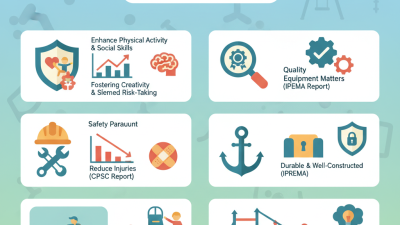
Park Play Equipment is more than just swings and slides. It plays a critical role in child development. Research shows active play leads to physical and cognitive benefits. According to a report by the Outdoor Industry Association, outdoor play helps reduce childhood obesity by 15%. This data highlights the importance of accessible Park Play Equipment in communities.
Expert Dr. Jane Thompson, a child development specialist, emphasizes, “Quality play equipment fosters creativity and social skills.” Her insight reflects the value of well-designed parks. However, not all parks prioritize inclusive and safe play structures. Some communities fall short in providing suitable options for children of varying abilities.
The design and maintenance of Park Play Equipment require ongoing attention. Many parks lack innovative features that engage today’s children. While there are commendable examples, a large gap remains in the accessibility of engaging equipment. It pushes us to reflect on our current offerings and strive for improvement.
Understanding Park Play Equipment: Definitions and Types
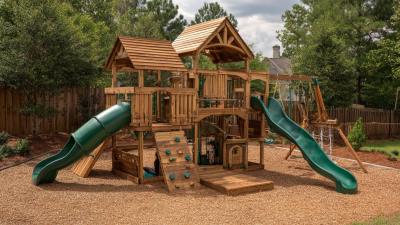
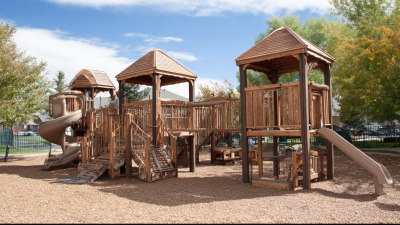
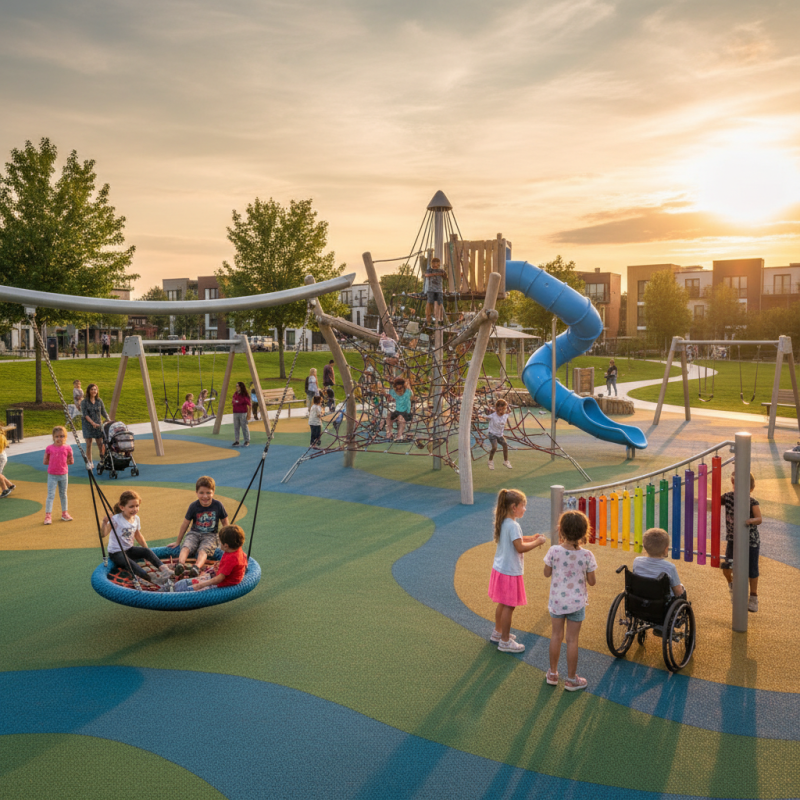
Park play equipment refers to the structures and installations found in playgrounds. It includes swings, slides, climbing frames, and balance beams. These elements are designed for children’s physical and mental development. According to the Outdoor Foundation, about 50% of children aged 6-12 engage in outdoor play regularly. This statistic highlights the importance of having accessible play equipment in parks.
Various types of park play equipment serve different purposes. For instance, climbing structures enhance coordination and strength. Swings provide an enjoyable way to develop balance and spatial awareness. Equipment designed for creative play, like sandboxes or imaginative playhouses, can boost cognitive skills. However, not all playgrounds meet safety standards. The Consumer Product Safety Commission reports that over 200,000 injuries are linked to faulty playground installations annually. This challenge exists alongside the obvious benefits of play.
While park play equipment supports healthy growth, there is room for improvement. Many existing playgrounds lack diversity, limiting experiences for children. Inclusion of adaptive equipment for differently-abled kids is often neglected. Reflecting on these gaps can inspire communities to advocate for safer, more inclusive park facilities. Prioritizing quality in design can lead to meaningful play experiences for all children.
Key Benefits of Park Play Equipment for Child Development
Park play equipment serves as a vital tool for promoting child development. Research indicates that outdoor play contributes to physical health, social skills, and cognitive growth. According to the American Academy of Pediatrics, children should engage in at least 60 minutes of active play each day. This requirement highlights the importance of park play areas. These spaces allow kids to climb, run, and swing, which fosters not just physical strength but also balance and coordination.
Playing in parks encourages social interactions. Children learn to share and cooperate while navigating equipment with peers. A study from the National Association for the Education of Young Children shows that collaborative play improves communication skills. However, not all parks are equipped with suitable play structures. Some areas lack inclusive equipment for children with disabilities. More work is needed to ensure all children can access vital play experiences, as some parks may unintentionally exclude vulnerable groups.
Cognitive development is another key benefit of park play equipment. Activities like climbing or problem-solving on playground structures enhance creativity. A report from the Center for Disease Control indicates that unstructured playtime leads to better academic performance. Despite these benefits, many children still have limited access to safe play environments. Reflecting on this reality can highlight the need for improved planning and resources to ensure that all children benefit from park play equipment.
Safety Standards and Guidelines for Park Play Equipment
When it comes to park play equipment, safety is paramount. According to the U.S. Consumer Product Safety Commission (CPSC), more than 200,000 children under 14 are treated for playground injuries each year. This alarming statistic highlights the need for strict safety standards in public playgrounds. Equipment must comply with guidelines set forth by organizations like the American Society for Testing and Materials (ASTM) to minimize risks.
Proper installation and regular maintenance are crucial. Loose bolts, worn surfaces, and inadequate fall zones can lead to serious accidents. In fact, about 70% of playground injuries stem from falls, as reported by the National Program for Playground Safety. Parents often overlook these hazards when assessing equipment. They should check for proper cushioning beneath swings and climbers to ensure children have a safe landing.
Moreover, accessibility is an ongoing challenge. Many parks lack equipment that accommodates children with disabilities. Only about 28% of playgrounds meet the ADA guidelines for accessibility. This leaves many children out of the fun and can lead to feelings of exclusion. Addressing these shortcomings requires community awareness and action. Creating safer and more inclusive play environments benefits everyone.
What is Park Play Equipment and How Does It Benefit Children?
| Play Equipment Type |
Benefits for Children |
Safety Standards |
Recommended Age Group |
| Swings |
Enhances balance and coordination |
ASTM F1487 |
2-12 years |
| Slides |
Promotes gross motor skills and imaginative play |
CPSC guidelines |
2-12 years |
| Climbing Structures |
Builds strength and confidence |
EN 1176 |
5-12 years |
| Merry-Go-Rounds |
Encourages teamwork and social interaction |
ISO 8124 |
5-12 years |
| Balance Beams |
Improves balance and concentration |
ASTM F1487 |
3-10 years |
Innovative Designs in Park Play Equipment and Their Impact
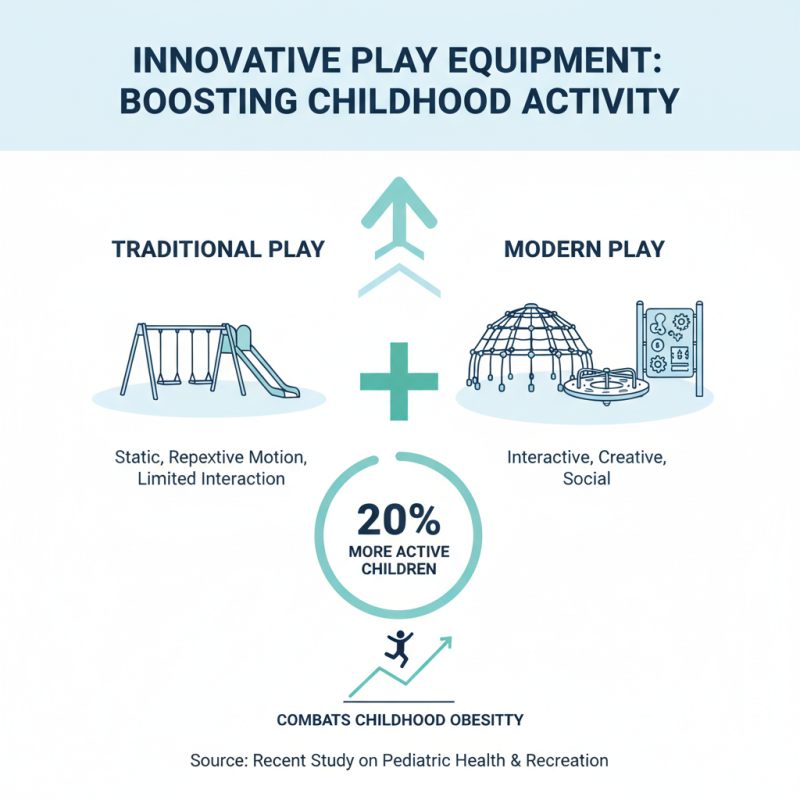
Innovative designs in park play equipment are transforming how children engage in physical activity. Modern playgrounds now include interactive features that encourage creativity and social interaction. Research shows that children who play on well-designed equipment are 20% more active compared to those on traditional setups. This boost in activity helps combat childhood obesity rates, which have been climbing steadily.
Creating spaces that blend fun with education is essential. For example, combining slides with climbing walls can improve motor skills and coordination. Incorporating nature-inspired elements can enrich sensory experiences. A study indicated that children spend 30% more time on equipment that offers varied textures and colors. This variety keeps them engaged longer, enhancing their physical and cognitive development.
Tips: When designing play areas, consider using natural materials. They can offer unique sensory experiences. Also, ensure equipment is accessible to children of all abilities. Creating inclusive spaces benefits everyone. It’s important to reflect on safety as well. Regular maintenance is crucial to avoid accidents. Always prioritize the safety and happiness of children in every design decision.
Community Engagement and Park Play Equipment Initiatives
Community engagement plays a vital role in the development and success of park play equipment initiatives. Local residents can voice their needs and preferences, ensuring that play structures cater to children's desires. Organizing community meetings can foster collaboration. Parents and caregivers can discuss what their children enjoy and what is missing in the local parks. It’s essential to listen to their input.
Moreover, involving community members in the design process can lead to unique play equipment that reflects local culture. For example, incorporating themes from local history can make play more engaging. However, it can be challenging to unite diverse opinions. Some may prefer traditional swings while others push for innovative climbing structures. The negotiation process can create tension but also encourages community bonding.
After installation, ongoing feedback is crucial. Parents should engage with children about their play experiences. This feedback helps identify what works and what doesn't. Not every equipment will be a hit, and that’s okay. It’s a learning experience. Communities must be open to making adjustments for future projects.
 +86-13901441113

 CONTACT NUMBER
 CONTACT NUMBER