What are Play Sets and How Do They Enhance Creative Play?
Play Sets are more than just toys; they are gateways to imagination. These versatile tools encourage children to create their own worlds. With a simple set of figures, buildings, or vehicles, young minds can embark on endless adventures.
When children play with Play Sets, they engage in storytelling. They become heroes, explorers, or even villains. Each scenario helps them develop skills. They practice problem-solving and learn to collaborate with others. Yet, sometimes, they might feel overwhelmed. Choosing from numerous options can lead to frustration.
Play Sets also promote emotional understanding. Kids can express feelings through characters. They act out different situations, exploring joy and conflict. However, not every child will connect in the same way. Some may struggle to open up during play. This variability highlights the need for guidance and support in creative play.
What is a Play Set?
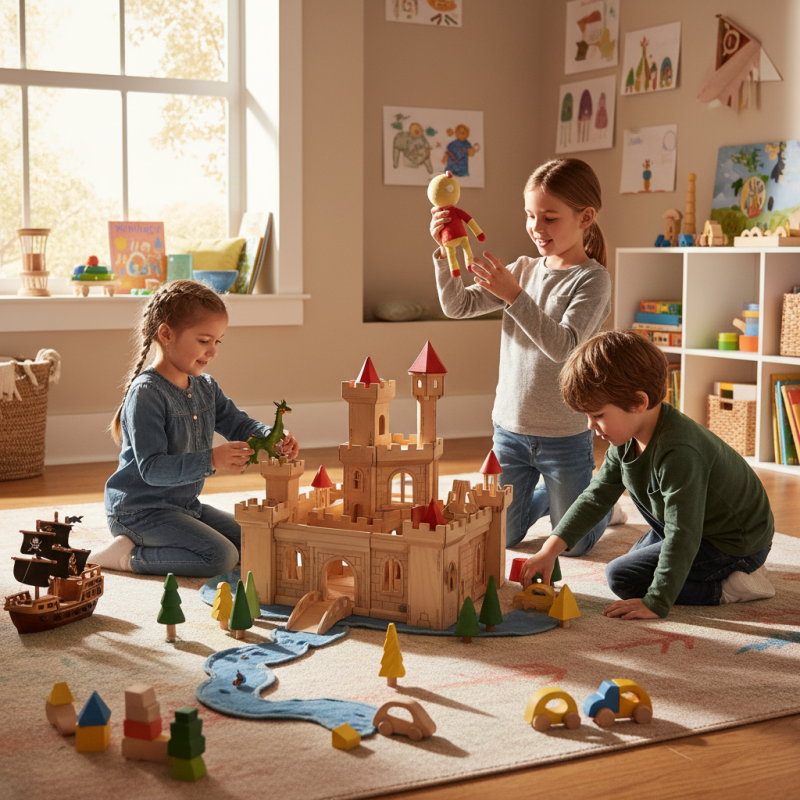
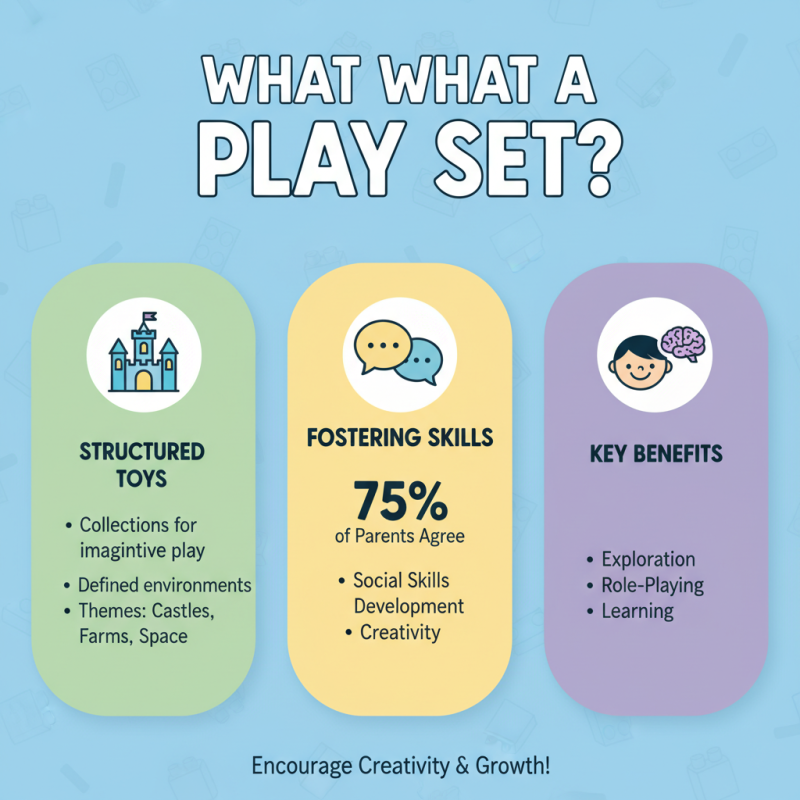
Play sets are structured collections of toys designed to encourage imaginative play. They come in various themes, such as castles, farms, and space stations. These play sets offer children a defined environment to explore their creativity. According to a recent industry report, around 75% of parents believe that play sets foster essential social skills in children. This is crucial for their emotional development.
In recent years, the focus has shifted toward open-ended play. Many experts suggest that while structured play sets have their benefits, they can sometimes limit creativity. For instance, a child may feel constrained to play only within the boundaries of the set. However, play sets can inspire creative scenarios, helping children to build narratives around their experiences. Research shows that imaginative play linked to real-world themes remains vital for developing cognitive flexibility.
Furthermore, the choice of materials in play sets greatly impacts their efficacy. Plastic toys can detract from a child's imaginative process. On the other hand, wooden sets often provide a tactile experience that encourages exploration. Parents must reflect on their choices, balancing between traditional structured play sets and the allure of free play. Each style has pros and cons, affecting a child’s creative expression. Balancing these elements is not often straightforward.
Types of Play Sets and Their Features
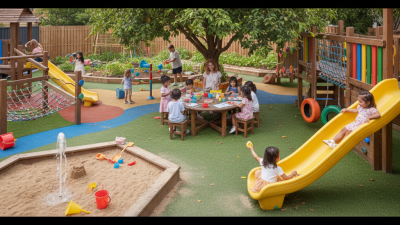
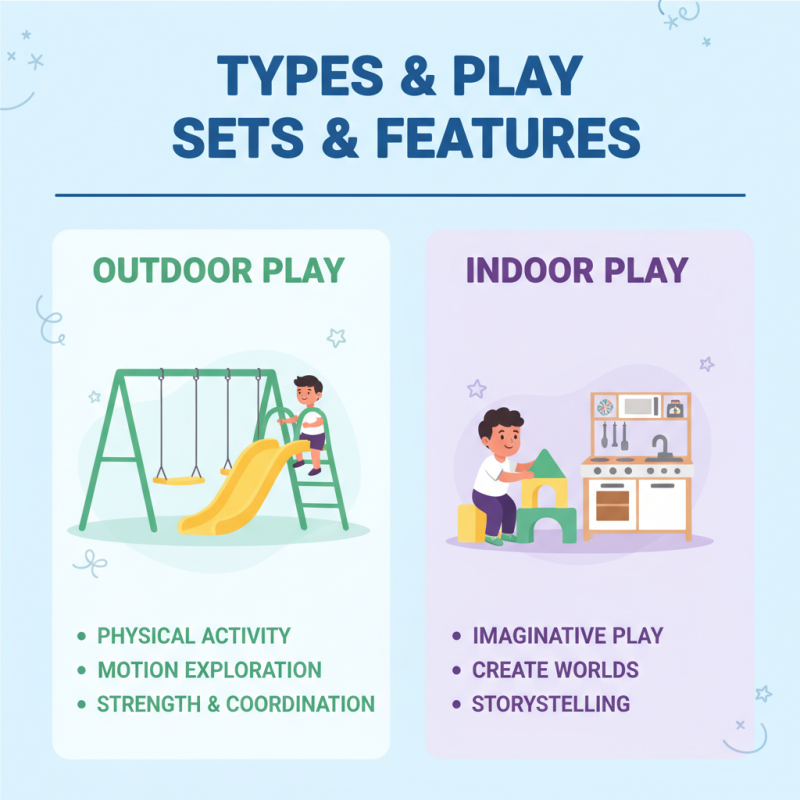
Play sets come in various types, each designed to spark creativity in children. There are outdoor play sets, like swings and slides, which encourage physical activity. These sets enable kids to explore motion. They build strength and coordination while having fun. Indoor play sets, such as building blocks or pretend kitchens, allow imaginative play. Children can create their own worlds and stories with these items.
Another popular type is themed play sets, which often revolve around characters or settings from books and movies. These sets come with intricate details that captivate young minds. They often include accessories that enhance the play experience. However, not every child responds well to structured play. Some might feel confined by the themes and rules.
While play sets provide structure, it's essential to allow kids free play. Too much focus on specific features can stifle creativity. Parents should encourage exploration and less-guided activities. It’s a balance. Letting kids mix and match or invent their own games can lead to unexpected fun and deeper engagement.
Benefits of Play Sets for Creative Play
Play sets are more than just toys; they are gateways to imagination. These collections often include figures, vehicles, and accessory pieces. Children can create their own worlds, allowing endless scenarios. This type of play encourages storytelling. Kids become heroes, explorers, or builders. Each play session is a new adventure.
The benefits of play sets for creative play are significant. They help develop problem-solving skills. When a child faces a challenge within their play, they learn to find solutions. For example, if a figure cannot fit into a vehicle, they must think of alternatives. This encourages critical thinking. Play sets can also foster social skills. Children often collaborate, negotiate, and share during playtime. They learn to communicate their ideas and listen to others.
However, not all play sets inspire creativity equally. Some can be restrictive, providing a rigid framework. This can limit imaginative exploration. It's important for caregivers to choose play sets that encourage open-ended possibilities. Look for options that stimulate creativity and allow for self-expression. In doing so, children can thrive in their imaginative play.
What are Play Sets and How Do They Enhance Creative Play? - Benefits of Play Sets for Creative Play
| Dimension |
Description |
| Imaginative Play |
Play sets encourage children to create scenarios and stories, promoting imaginative thinking. |
| Social Skills |
Playing with others using play sets helps develop teamwork and communication skills. |
| Problem Solving |
Children learn to navigate challenges and find solutions through interactive play. |
| Fine Motor Skills |
Manipulating small pieces in play sets enhances dexterity and hand-eye coordination. |
| Cognitive Development |
Engaging with play sets boosts critical thinking and spatial awareness skills. |
| Emotional Expression |
Children can explore feelings and express emotions through role-play scenarios. |
How Play Sets Foster Imagination and Social Skills
Play sets are more than toys; they are tools for growth. Research shows that 80% of children engage in imaginative play with these sets. This type of play drives creativity and problem-solving. Kids express their thoughts through characters and scenarios. They enact stories, giving life to their ideas. This interaction is crucial for development.
Social skills thrive in group settings. When kids share play sets, they learn cooperation and negotiation. A study found that collaborative play increases empathy and communication skills by 60%. Children discuss rules and share roles. These small interactions build confidence. Yet, not all kids feel included. Some may hang back, unsure of how to join. This reflects the need for mindful play guidance.
Imaginative play is imperfect, often messy. Kids might clash over roles or struggle to articulate ideas. This chaos is valuable. It teaches resilience and adaptability. Encouraging children to voice their feelings during play fosters emotional intelligence. Play sets create a rich landscape for learning, despite their flaws.
Choosing the Right Play Set for Different Age Groups
Selecting the right play set is crucial for fostering creativity in children. Different age groups have unique needs, and play sets should cater to those. For toddlers, simple structures with soft materials are ideal. They offer a safe environment for exploration. Bright colors and interactive elements spark joy and engagement.
As children grow, their play becomes more complex. For preschoolers, a play set with climbing features and slides encourages physical activity. It promotes coordination and social skills when kids play together. School-aged children benefit from more imaginative setups. They enjoy themes like castles or space stations. These encourage storytelling and role play, which are vital for cognitive development.
However, some parents may overlook the importance of adaptability. A play set for younger kids might soon be outgrown. Investing in a versatile play set can be wise. It can evolve with a child's interests, from basic play to elaborate role-playing scenarios. Flexibility in play sets allows endless creative possibilities.
 +86-13901441113

 CONTACT NUMBER
 CONTACT NUMBER