Leave Your Message

Why Play Sets Are Essential for Child Development and Imaginary Play

Play sets are more than just toys; they are essential tools for fostering child development and encouraging imaginative play. These versatile items offer children a structured environment where they can explore their creativity and express themselves freely. Through engaging with play sets, children not only enhance their cognitive skills but also develop important social and emotional abilities. The interactive nature of play sets allows kids to role-play various scenarios, encouraging them to think critically and solve problems as they navigate different situations.

Furthermore, play sets contribute significantly to physical development. As children manipulate various components, they refine their motor skills and hand-eye coordination. The dynamic and often collaborative aspects of play sets also teach children how to share, cooperate, and communicate with their peers, laying the groundwork for teamwork and empathy in future interactions. In essence, play sets serve as a critical bridge between play and learning, making them indispensable in childhood development.
Why Play Sets Are Essential for Child Development and Imaginary Play

Importance of Play Sets in Fostering Child Creativity and Imagination

Play sets are instrumental in nurturing a child's creativity and imagination. These versatile tools provide children with open-ended opportunities to explore different scenarios, characters, and environments. When children engage with play sets, they have the freedom to create their own narratives, whether they are pretending to be superheroes saving the day or exploring a fantastical world inhabited by magical creatures. This kind of imaginative play fosters problem-solving skills as they navigate through various challenges that arise in their invented stories.

Moreover, play sets encourage cooperative play, which is essential for social development. When children share and collaborate on their play scenarios, they practice communication and negotiation skills. This interaction enhances their emotional intelligence, as they learn to empathize with peers and understand different perspectives within their play. By fostering an environment where creativity can thrive, play sets help shape a child’s ability to think critically and innovate, skills that are invaluable throughout their education and future endeavors.

In essence, providing children with diverse play sets is a foundation for developing their imaginative capabilities and enriching their overall childhood experience.

Types of Play Sets That Stimulate Different Aspects of Development

Play sets are a quintessential component of childhood, offering a range of options that cater to various developmental needs. For instance, traditional wooden blocks encourage cognitive skills such as spatial awareness and problem-solving as children learn to balance and build structures. These activities stimulate critical thinking and fine motor skills while allowing children to explore concepts of gravity and engineering at their own pace.

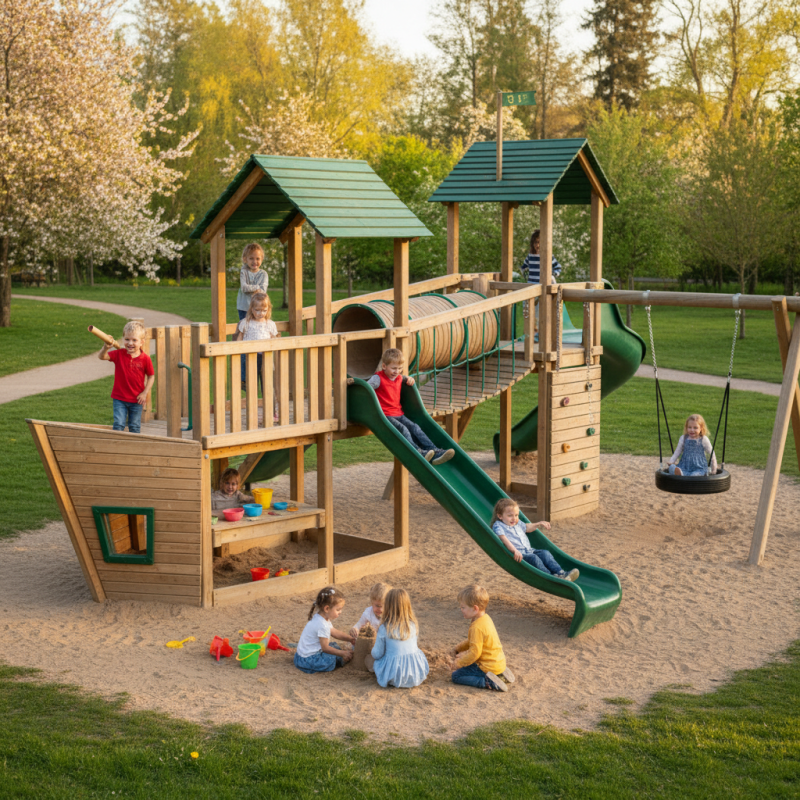
Outdoor play sets, such as climbing frames and slides, promote physical development by enhancing gross motor skills. Climbing encourages strength and coordination, while sliding offers a rush of excitement that boosts confidence. Additionally, these play environments foster social interaction, as children learn to navigate shared spaces, cooperate with peers, and develop communication skills through imaginative play scenarios. Ultimately, incorporating diverse play sets into a child’s routine can significantly enrich their developmental journey, ensuring a well-rounded foundation for future growth.

Importance of Play Sets in Child Development

This bar chart illustrates the significant impact that different types of play sets have on various aspects of child development, including social skills, cognitive abilities, physical skills, emotional growth, and creativity.

How Imaginary Play Enhances Social Skills and Emotional Intelligence

Why Play Sets Are Essential for Child Development and Imaginary Play

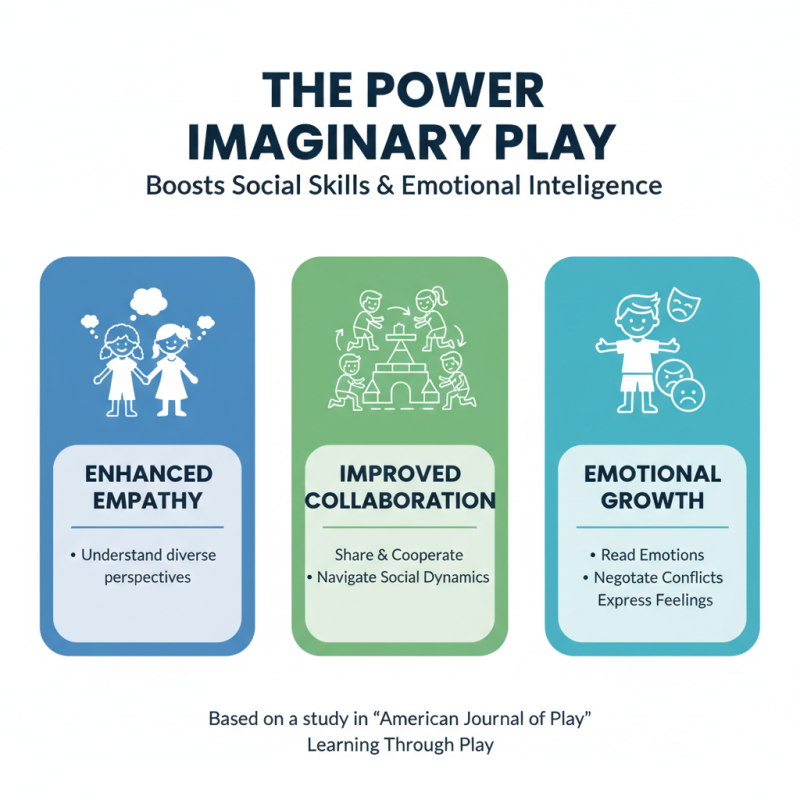
Imaginary play is a crucial component of childhood that significantly enhances social skills and emotional intelligence. According to a study published in the "American Journal of Play," children who engage in imaginative activities often display improved empathy, sharing, and collaboration capabilities. These peer interactions are essential for developing essential life skills, as they require children to navigate social dynamics and understand diverse perspectives. Through role-playing different scenarios, children learn to read emotions, negotiate conflicts, and express their feelings appropriately.

Incorporating play sets into children's daily routines can further support their imaginary play. A report by the National Association for the Education of Young Children (NAEYC) indicates that unstructured playtime fosters critical thinking and problem-solving skills in young minds. Children gain more from their play sessions when they are provided with tools that stimulate creativity and encourage storytelling. This environment allows them to practice and refine their social interactions, leading to increased emotional awareness.

**Tips for Parents:**
- Create a designated play area that is rich in resources and materials to inspire imagination. Include items like costumes, puppets, and play sets that represent diverse roles and situations.
- Encourage collaborative play by organizing playdates that focus on shared activities. This not only solidifies friendships but also allows children to practice social cues in a safe environment.
- Engage with your child during playtime. Ask open-ended questions about their scenarios to promote critical thinking and enhance their emotional vocabulary, helping them articulate their feelings more clearly.

The Role of Play Sets in Physical Development and Motor Skills

Play sets serve a crucial role in promoting physical development and enhancing motor skills in children. Engaging with various types of play sets encourages youngsters to move, climb, and explore their physical capabilities. For instance, structures such as slides, swings, and climbing frames offer opportunities for children to practice balance and coordination, facilitating the development of gross motor skills. As they navigate different heights and surfaces, they learn to assess risks and enhance their agility, essential components of their physical growth.

Moreover, play sets allow for the refinement of fine motor skills through activities that involve grasping, stacking, and manipulating various components. Whether assembling a construction-themed set or engaging in craft-like activities, children practice hand-eye coordination and dexterity. These skills are fundamental for everyday tasks, such as writing or using utensils, laying a robust foundation for later stages of their development. Through imaginative play within these environments, children not only advance their physical abilities but also cultivate creativity and problem-solving skills, making play sets an indispensable tool in their growth.

Why Play Sets Are Essential for Child Development and Imaginary Play

Dimension Description Impact on Development Examples of Play Sets
Physical Development Encourages gross motor skills through climbing, jumping, and balancing. Supports coordination and physical fitness. Climbing frames, slides, obstacle courses
Fine Motor Skills Promotes dexterity and hand-eye coordination through manipulation of small parts. Enhances hand strength and control. Building blocks, dolls, puzzles
Social Skills Facilitates interaction and cooperation with peers during play. Fosters communication, sharing, and empathy. Role play sets, play kitchens, dress-up costumes
Cognitive Development Encourages imaginative thinking and problem-solving. Develops creativity and critical thinking skills. Construction sets, science kits, themed play areas
Emotional Development Allows children to express feelings and practice self-regulation through play. Enhances self-awareness and emotional resilience. Interactive storytelling sets, puppet theaters

Encouraging Cooperative Play Through Shared Play Set Experiences

Why Play Sets Are Essential for Child Development and Imaginary Play

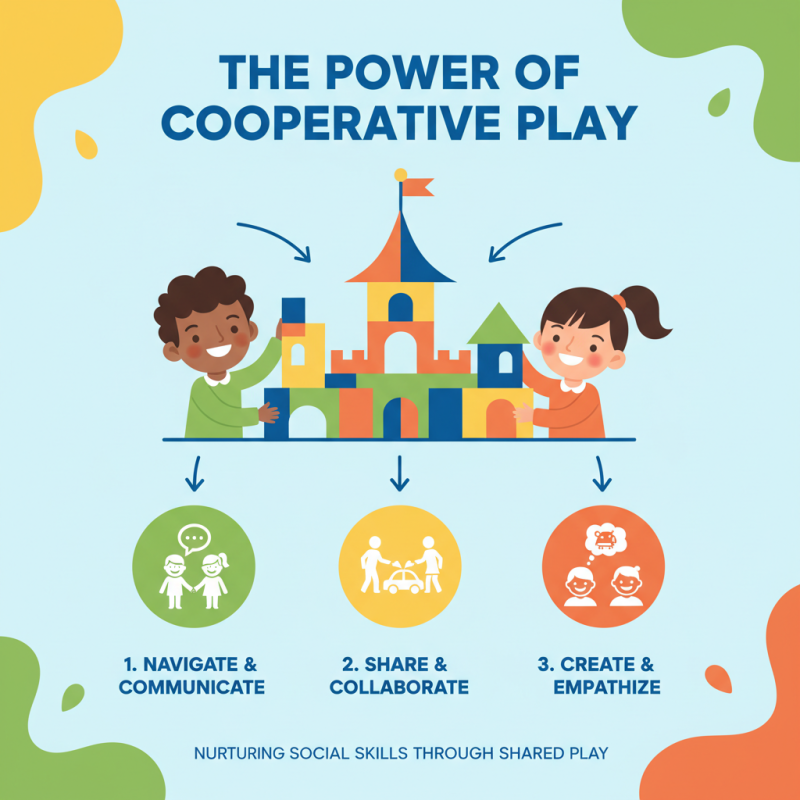
Encouraging cooperative play through shared play set experiences is crucial for nurturing social skills in children. When children engage with play sets together, they learn to navigate interpersonal dynamics, share resources, and communicate effectively. This type of cooperative play fosters an environment where children can practice negotiation and collaboration, allowing them to create their own rules and stories. As they build and interact with their imaginary worlds, they develop empathy and understanding, learning to consider the perspectives of their peers.

Moreover, shared play set experiences ignite creativity and problem-solving skills among children. When they collaborate on constructing scenarios or overcoming challenges within their play, they are encouraged to think critically and innovate together. This teamwork not only enhances their cognitive abilities but also strengthens their bonds with one another. By participating in cooperative play, children build trust and friendships, creating a foundation for healthy relationships in the future. Through these shared experiences, they gain a sense of belonging and reinforce their social competence, essential elements for their overall development.