Unlock Adventure: How Playground Sets Enhance Child Development and Creativity
In today's fast-paced digital world, the importance of outdoor play for child development cannot be overstated.
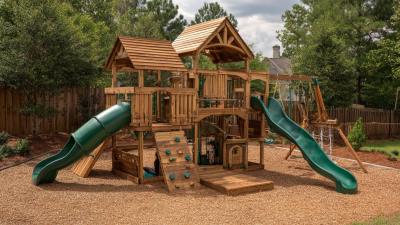
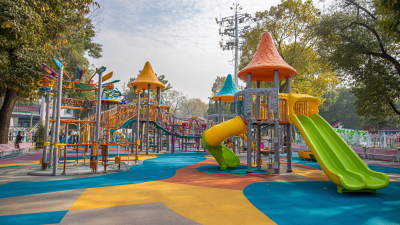
Playground sets serve as vital tools that unlock adventure and foster creativity in children.
These vibrant structures invite exploration, encourage social interaction, and enhance physical fitness, all of which are essential components of holistic growth.
From climbing and swinging to sliding and balancing, each activity engages various skills that lay the foundation for cognitive and emotional development.
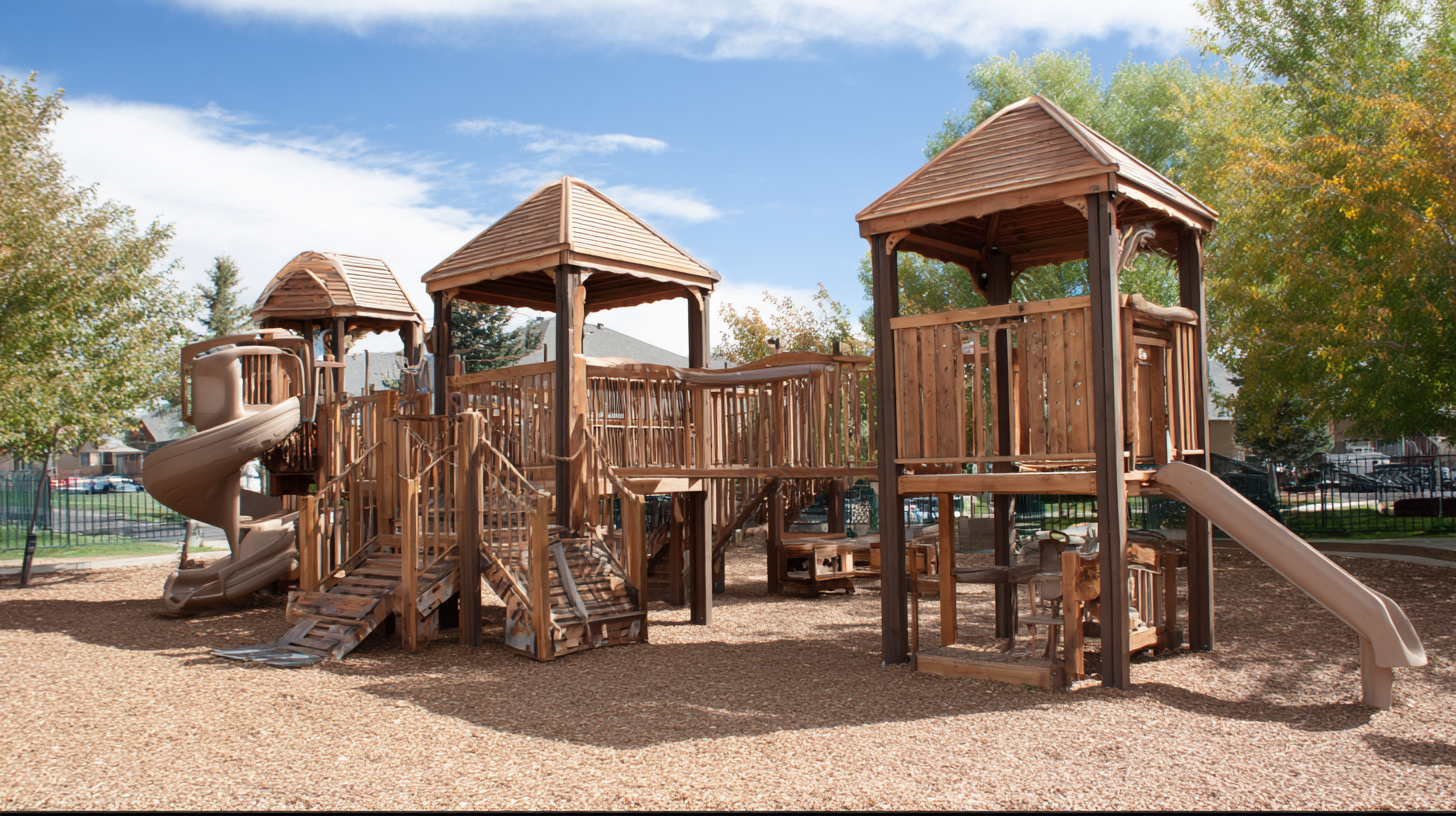
Moreover, playground sets inspire imaginative play, allowing children to create their own narratives and scenarios, further fueling their creative capacities.
As parents and caregivers seek ways to enrich their children's lives, recognizing the multifaceted benefits of playground sets emerges as a crucial aspect of nurturing well-rounded, resilient individuals.
This article delves into the various ways playground sets enhance child development and creativity, emphasizing their role in shaping not only healthy bodies but also inventive minds.
The Role of Playground Sets in Fostering Imaginative Play Experiences
Playground sets play a crucial role in nurturing imaginative play experiences, which are essential for children's development. According to various studies, engaging in imaginative play enhances cognitive skills, social interactions, and emotional resilience. Research shows that environments that encourage cooperative play and symbolic activities significantly contribute to children's social-emotional health. As children navigate their imaginative landscapes on playgrounds, they learn to cooperate, empathize, and build friendships, all of which are foundational to their emotional intelligence.
Furthermore, the design of modern playgrounds is increasingly child-centric, encouraging exploration and creativity. For instance, innovative playsets are being developed that reject traditional fixed structures in favor of versatile designs that stimulate imaginative play. This shift is reflected in the latest toy industry trends, where there is a growing demand for playsets that foster role-playing and narrative-building. It’s clear that as parents seek gifts for their children, investing in playground sets can provide enriching play experiences that not only entertain but also significantly enhance developmental growth.
Unlock Adventure: The Impact of Playground Sets on Child Development
This chart illustrates how different aspects of playground sets contribute to various developmental skills in children, including physical, social, cognitive, and emotional development.
Physical Benefits of Playground Equipment for Child Development
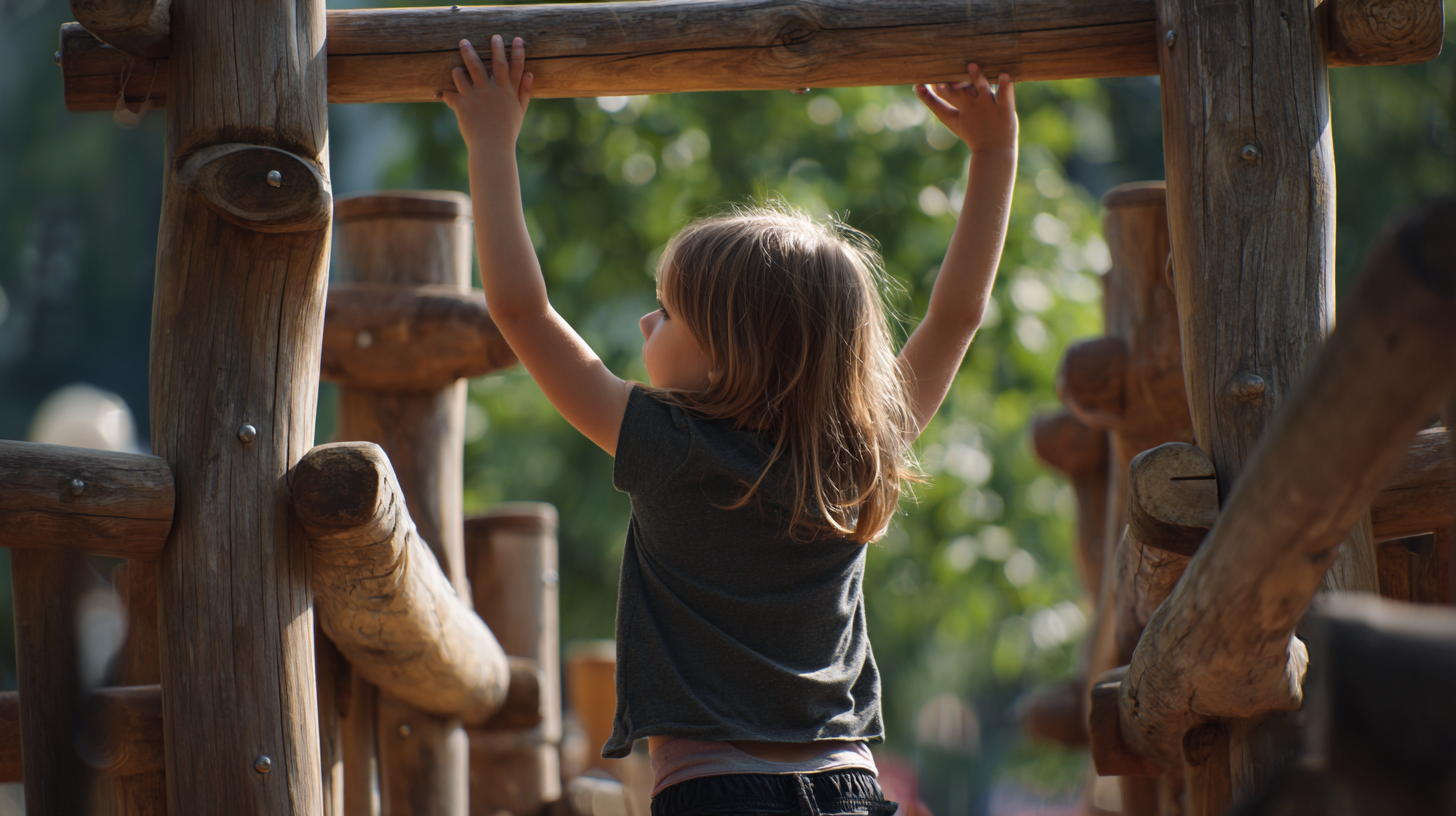
Playground equipment plays a significant role in enhancing a child's physical development. Climbing structures, slides, and swings provide children with the opportunity to engage in vigorous activity, which is crucial for building strength, coordination, and balance. As children navigate these playground challenges, they develop their gross motor skills and improve their cardiovascular fitness. Physical play is not just about exercise; it also helps children learn how to assess risks and develop spatial awareness, which are important skills for their overall physical health and safety.
Moreover, the varied designs of playground sets cater to different age groups and abilities, ensuring that each child can participate and benefit from physical play. Features such as rope ladders and monkey bars promote upper body strength while engaging children in social activities that encourage teamwork and communication. Engaging in such activities fosters a sense of achievement and boosts self-esteem as they master new challenges. In essence, playground equipment lays the foundation for a physically active lifestyle, nurturing healthy habits that can extend into adulthood and instill a lifelong love for movement and play.
Emotional Resilience: How Playgrounds Help Children Overcome Challenges
Playgrounds are more than just spaces for fun; they are vital environments that foster
emotional resilience in children.
According to a report by the American Journal of Play, children who engage in outdoor play have significantly
higher levels of emotional intelligence, helping them navigate their feelings and build stronger relationships.
The challenges presented in playground activities, whether it’s climbing a structure or
collaborating on a team swing, encourage children to face fears and develop coping strategies.
This hands-on approach to overcoming obstacles lays the groundwork for lifelong resilience.
Moreover, the National Association for the Education of Young Children emphasizes that
risky play, such as navigating uneven surfaces or climbing heights, allows children to assess their abilities and make
decisions. Such experiences are crucial in teaching children how to manage risk and recover
from failure. The act of encountering and surviving small challenges in a safe environment
builds confidence, directly equipping them with the tools needed to handle more
significant challenges as they grow. As children learn to overcome hurdles on the playground,
they are essentially crafting a toolkit for emotional resilience
that will benefit them well beyond their childhood years.
Social Skills Development Through Cooperative Playground Activities
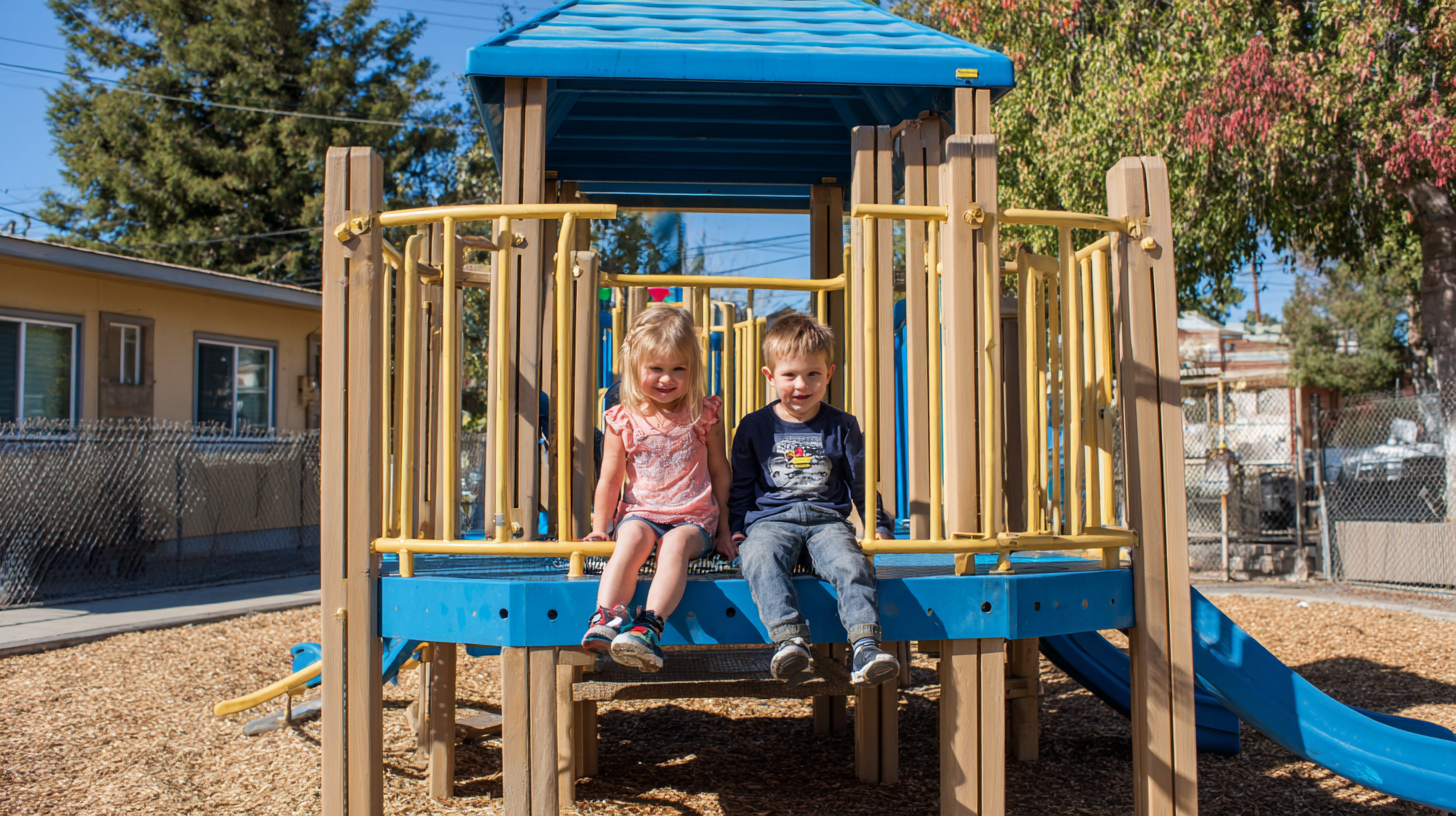
Engaging in cooperative playground activities is vital for fostering social skills among children. When kids play together, they learn essential communication skills, such as sharing thoughts and negotiating rules. This shared interaction encourages them to understand diverse perspectives while developing empathy. For instance, when a group of children decides how to use a swing set or a climbing structure, they practice listening to each other, compromising, and asserting themselves in a positive way. These interactions help lay the groundwork for future collaborative skills in more complex social environments.
Moreover, playful scenarios on the playground stimulate problem-solving and conflict resolution abilities. As children encounter disagreements over games or equipment usage, they must navigate these challenges together. For example, an argument about who gets to go down the slide first can lead to discussions about taking turns or creating a game where everyone gets a chance. Through these experiences, children not only manage their emotions but also learn to work with peers, fostering relationships that can translate into lifelong friendships. Thus, playgrounds serve as crucial arenas for children to enhance their social skills through playful cooperation.
Incorporating Educational Elements in Playground Design for Cognitive Growth
Playground sets have evolved far beyond traditional slides and swings; contemporary designs now incorporate educational elements that significantly contribute to children's cognitive growth. According to a report by the National Association for the Education of Young Children (NAEYC), structured play environments can enhance problem-solving skills and foster creativity, with more than 75% of educators acknowledging the importance of play in developing critical thinking abilities. By embedding features such as interactive games and puzzles, playgrounds serve as dynamic learning spaces where children engage their minds while having fun.
Research published in the Journal of Play asserts that playgrounds that incorporate elements promoting science, technology, engineering, art, and math (STEAM) are particularly effective. Approximately 64% of children show improved reasoning skills when exposed to hands-on learning experiences. This trend reflects a broader movement towards creating environments that stimulate intellectual curiosity alongside physical activity. As educational concepts are woven into the fabric of playground design, such spaces not only nourish physical development but also cultivate essential cognitive skills, preparing children to navigate an increasingly complex world.
 +86-13901441113

 CONTACT NUMBER
 CONTACT NUMBER