What is Playground Systems and How Do They Work?
Playground systems are essential for child development and recreation. These structures encourage social interaction, physical activity, and creativity. According to industry expert Dr. Emily Hart, “Playground systems are gateways to growth, imagination, and fun.” Her insights highlight the importance of these systems in our communities.
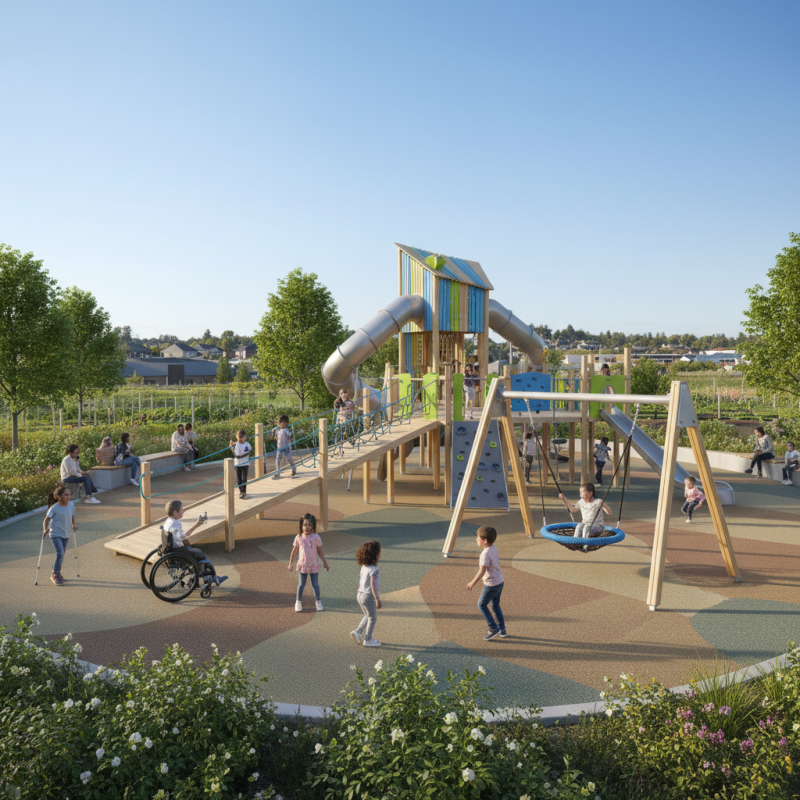
In recent years, playground systems have evolved significantly. Modern designs are not just about swings and slides; they promote inclusivity and safety. Inclusive playgrounds cater to children of all abilities, allowing them to play together. This integration can foster friendships and understanding.
However, not all playground systems meet safety standards. Some installations lack proper maintenance, exposing children to risks. Communities must invest in quality and design to ensure all kids enjoy these vital spaces. Emphasizing quality in playground systems is crucial to creating safe environments.
What Are Playground Systems and Their Purpose?
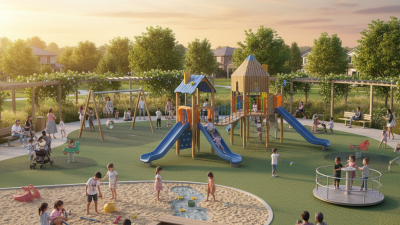
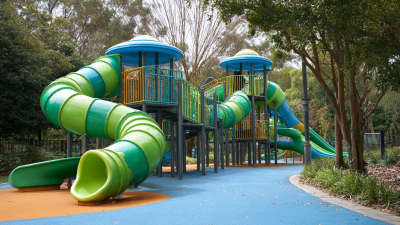
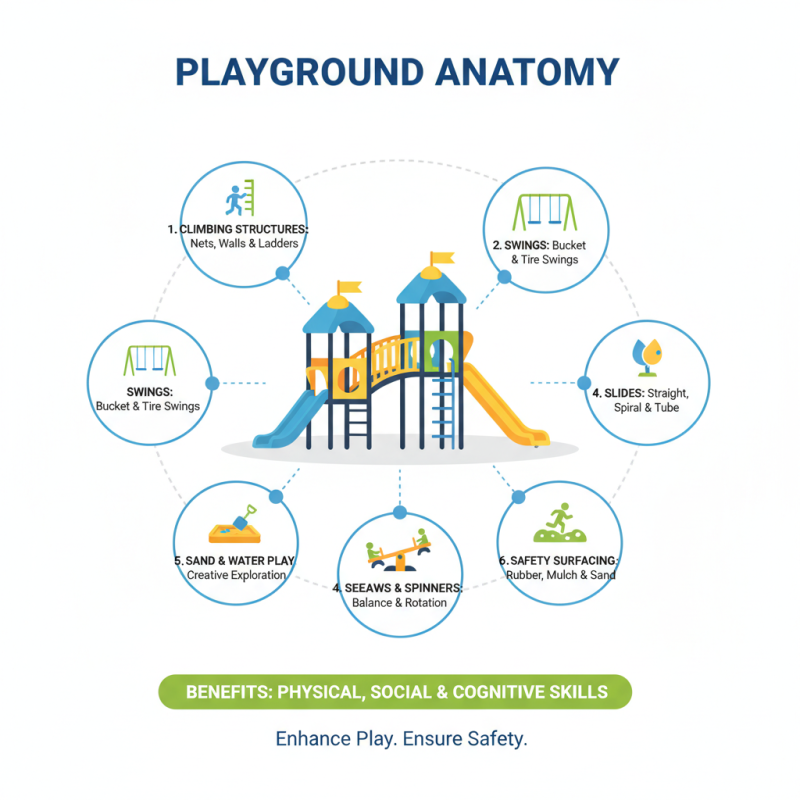
Playground systems are designed for children's play and development. They serve multiple purposes, fostering social skills, physical fitness, and creativity. These systems typically include swings, slides, climbing structures, and interactive games. They encourage kids to engage with one another, nurturing friendships and teamwork.
When selecting a playground system, consider the age group. Younger children need safe, low structures. Older kids benefit from more challenging climbing options. Pay attention to safety features. Soft surfaces reduce injury risks. Yet, remember that not every design is perfect. Some may lack accessibility for children with disabilities.
**Tip**: Regular maintenance is key. Inspect equipment frequently for wear and tear. Rusty parts can be dangerous.
Another area to reflect on is the environment around the playground. Unsuitable locations can cause issues. Areas with limited sunlight may deter play. A lack of nearby seating for caregivers is also a concern. Keeping kids safe and happy involves more than just equipment.
**Tip**: Involve the community in planning. Their input can identify essential features.
Playground Systems Usage Statistics
Key Components of Playground Systems Explained
Playground systems are essential for children's development and recreation. Understanding their key components can enhance safety and play experiences. A typical playground consists of various elements designed to stimulate children's physical, social, and cognitive skills.
One primary component is play equipment. This includes slides, swings, and climbing structures. According to industry reports, about 75% of playground injuries result from improper installation or maintenance of these structures. Regular checks are crucial to ensure that equipment remains safe and functional. Another important aspect is the surfacing material. Research indicates that appropriate materials, such as rubber or wood chips, can reduce fall injuries by up to 50%. This choice significantly impacts safety.
Tips: Always inspect playground equipment for wear and tear. Regular maintenance can prevent accidents. When choosing surfacing, consider fall heights. Proper surfaces can save lives. Reflect on these aspects to create a safe play environment for children. A well-constructed playground system can foster not only fun but also growth and learning.
Different Types of Playground Systems Available
Playground systems come in various types, each designed to cater to different play needs and age groups. The most common types are traditional playgrounds, modular systems, and natural play areas. Traditional playgrounds often feature swings, slides, and climbing structures. They are easy to install and maintain. However, they may lack diversity and challenge for older children.
Modular systems allow for greater customization. These playgrounds can be adapted as children grow. They often incorporate various components like sensory panels or balance beams. This flexibility encourages creativity and inclusiveness. According to recent industry reports, modular systems are seeing a 15% increase in popularity among schools and community organizations.
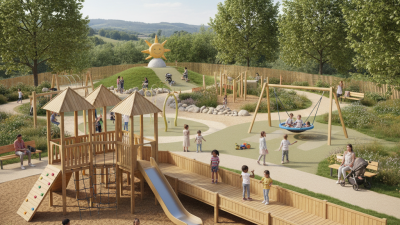
Natural play areas use elements like logs, boulders, and plants. These spaces encourage children to engage with nature while playing. They offer sensory experiences and promote physical activity. However, there are challenges. Maintenance can be more complex than traditional setups. Many communities overlook safety standards in these natural settings. According to a survey, only 35% of outdoor play areas meet safety guidelines. Therefore, ensuring that all playground systems are safe and enjoyable remains essential for child development.
How Playground Systems Promote Physical Activity and Learning
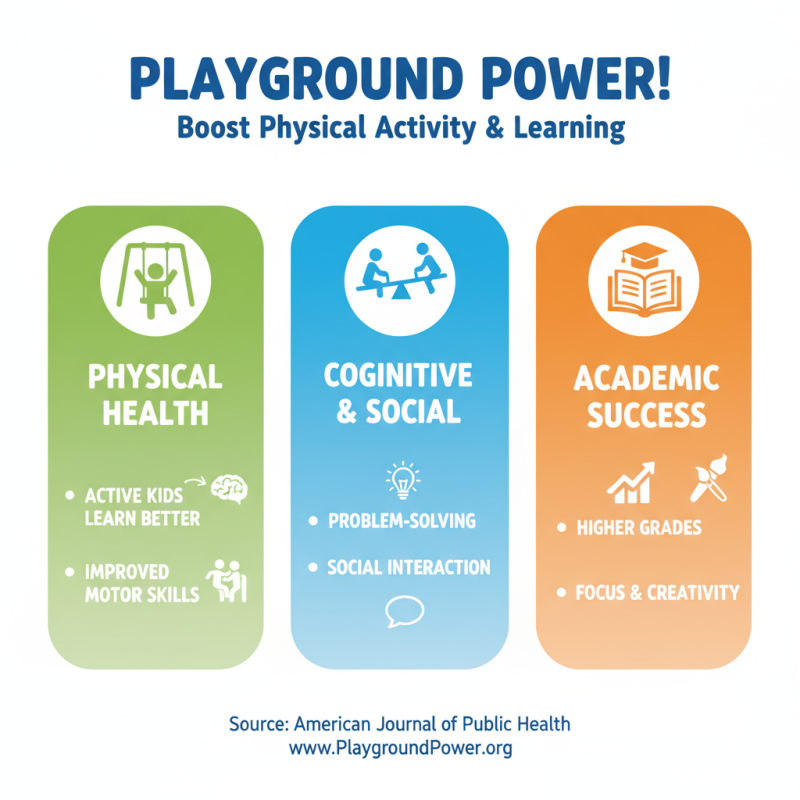
Playground systems play a crucial role in promoting physical activity and learning among children. According to a report by the American Journal of Public Health, children who engage in regular physical activity perform better academically. Outdoor playgrounds offer an engaging environment that encourages movement. Swinging, climbing, and balancing not only improve physical skills but also enhance problem-solving abilities and social interaction.
Research indicates that 80% of children do not meet recommended activity levels. Playground systems can help bridge this gap. For instance, structured play areas designed with diverse equipment allow for multiple ways to engage. Children can explore various activities, from teamwork exercises to individual challenges. Observations show that vibrant, well-maintained playgrounds attract more users. This offers a reflection point on the importance of funding and community involvement in maintaining these spaces.
However, not all playgrounds serve their purpose well. Safety concerns can deter use, leading to underutilization. Some designs do not facilitate inclusive play for children of different abilities. Critics highlight the need for more thoughtful designs that accommodate everyone. In the pursuit of promoting health and learning, we must ensure that playground systems are inclusive and safe for all children to thrive.
Safety Standards and Maintenance for Playground Systems
Playground systems must adhere to rigorous safety standards. The U.S. Consumer Product Safety Commission (CPSC) outlines guidelines for equipment design and maintenance. According to the CPSC, over 200,000 children visit emergency rooms each year due to playground-related injuries. Many of these injuries stem from poorly maintained equipment.
Regular maintenance is key. Inspections should happen frequently to identify hazards like sharp edges and unstable surfaces. For example, a study by the National Playground Safety Institute (NPSI) reported that 85% of playground injuries occur due to inadequate safety measures. Soft landing surfaces, like rubber mulch or sand, can mitigate fall-related injuries.
Despite these statistics, many playgrounds often overlook necessary repairs. A lack of funds or awareness can lead to hazardous conditions. Inspectors recommend maintaining a checklist for regular assessments. This practice could save lives and prevent serious injuries for children at play.
 +86-13901441113

 CONTACT NUMBER
 CONTACT NUMBER