Top Small Playground Equipment Trends for 2025 Every Parent Should Know
As we look ahead to 2025, the landscape of children's recreational spaces is poised for exciting transformations. One of the most significant areas of development lies in small playground equipment, which is becoming increasingly popular among parents and caregivers seeking innovative solutions for safe and engaging play environments. These trends are not just about aesthetics; they reflect a growing understanding of child development, safety, and the importance of outdoor play in fostering physical, social, and emotional growth.
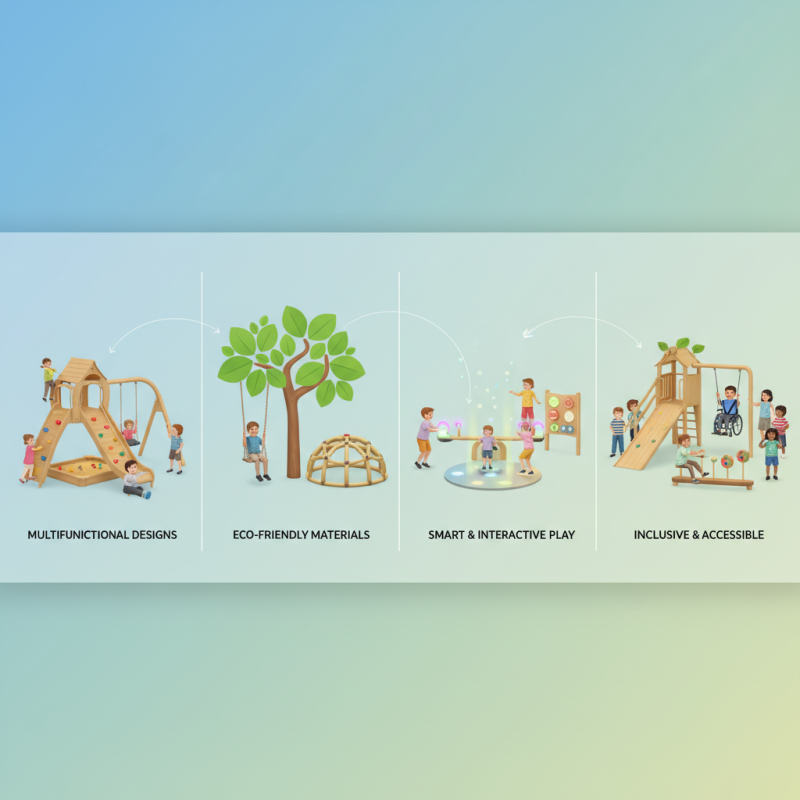
In this article, we will examine the top trends surrounding small playground equipment that every parent should be aware of. From multifunctional designs that maximize space usage to eco-friendly materials that promote sustainability, these trends are set to enhance children's play experiences while catering to modern family needs. Understanding these trends will empower parents to create nurturing play areas that encourage creativity, exploration, and healthy interactions among children. As we delve into the specific developments shaping the small playground equipment market, we’ll uncover how they aim to foster a rich outdoor play culture for future generations.
Key Features of Small Playground Equipment for 2025
As we head into 2025, the trends in small playground equipment are focused on creating safe, inclusive, and eco-friendly spaces for children. One key feature that parents should prioritize is the use of durable materials designed to withstand various weather conditions and heavy play. Steel and recycled plastic are becoming increasingly popular, as they not only ensure longevity but also reduce the carbon footprint of playgrounds. Additionally, modular designs allow for customization, enabling communities to create unique play spaces suited to their children’s needs.
Another significant trend is the incorporation of sensory play elements, which are crucial for child development. Equipment that engages multiple senses—such as textures, sounds, and colors—encourages exploration and discovery. Features like tactile panels and interactive musical instruments invite children to engage their creativity while fostering social interactions.
**Tips:** When selecting playground equipment, consider the age range of users to ensure safety and accessibility for all. Look for designs that offer a balance between physical challenges and imaginative play to keep children engaged. It's also essential to involve children in the selection process to ensure the equipment meets their interests and needs, fostering a sense of ownership and responsibility toward their play environment.
Top Small Playground Equipment Trends for 2025
The bar chart above illustrates the top trends in small playground equipment for 2025. Parents should take note of the increasing popularity of sustainable materials, interactive play opportunities, enhanced safety features, compact designs suitable for smaller spaces, and multi-functional equipment that offers versatility in play.
Innovative Safety Standards for Playground Equipment Design
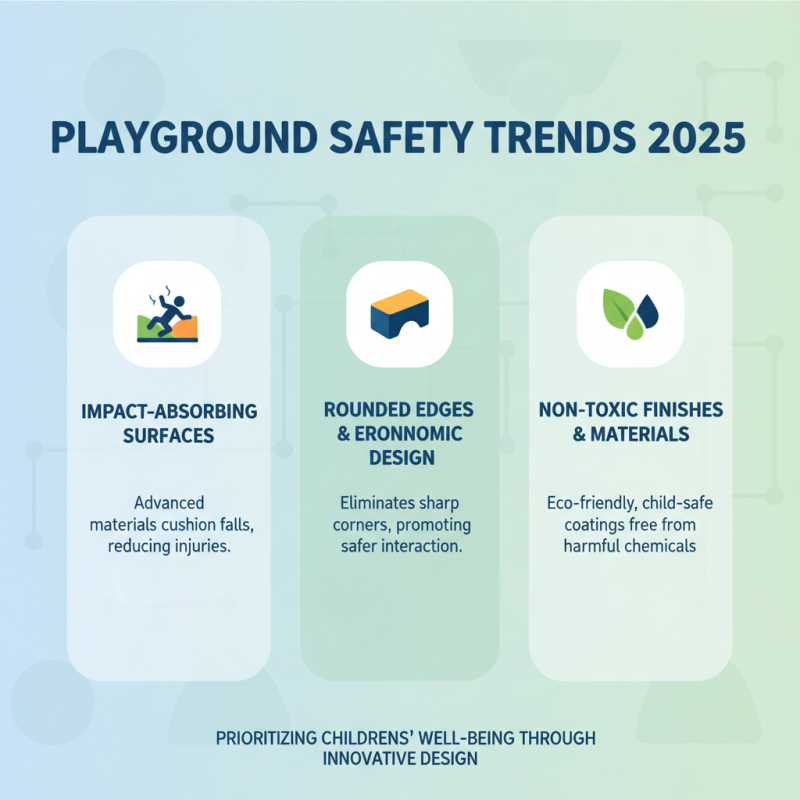
As we look ahead to the playground equipment trends for 2025, one crucial aspect that every parent should consider is the innovative safety standards emerging within the design of playground equipment. With an increasing focus on child safety, manufacturers are continually adopting advanced materials and design principles that prioritize not only durability but also user safety. These new standards aim to reduce hazards through features such as impact-absorbing surfaces, rounded edges, and non-toxic finishes, ensuring a safer play environment for children of all ages.
In addition to material enhancements, safety standards are evolving to incorporate more comprehensive risk assessments during the design process. This includes evaluating potential risks related to equipment height, structure stability, and age suitability. New guidelines encourage designs that promote active play while minimizing risks of injuries, fostering a balance between fun and safety. Parents can have peace of mind knowing that these innovations in playground design are elevating safety standards, making outdoor play a more secure and enjoyable experience for their children.
Sustainable Materials Trends in Playground Equipment Manufacturing
The use of sustainable materials in playground equipment manufacturing is gaining momentum as parents become more environmentally conscious. According to recent industry reports, more than 70% of parents now prioritize eco-friendly products when choosing playground equipment for their children. This shift is influencing manufacturers to adopt materials such as recycled plastics and sustainably sourced wood, which not only reduce the carbon footprint but also enhance the durability of playground structures. By 2025, it is projected that the market for sustainable playground materials will grow by over 25%, reflecting a significant shift towards greener practices in the industry.
When considering playground equipment, look for options made from recycled materials, which can significantly lower environmental impact. In addition, ensure the materials used are non-toxic and free from harmful chemicals, providing a safer play environment for your children. It’s also beneficial to support manufacturers that practice transparent supply chains, as this fosters accountability and ethical sourcing.
Tips for parents include thoroughly researching materials before making a purchase. Request detailed information about how equipment is made, where materials come from, and what certifications may be upheld regarding sustainability. Moreover, consider joining local community efforts aimed at promoting sustainable playground options, contributing to a greener future for the next generation while enhancing children’s play experiences.
Incorporating Technology into Small Playground Equipment
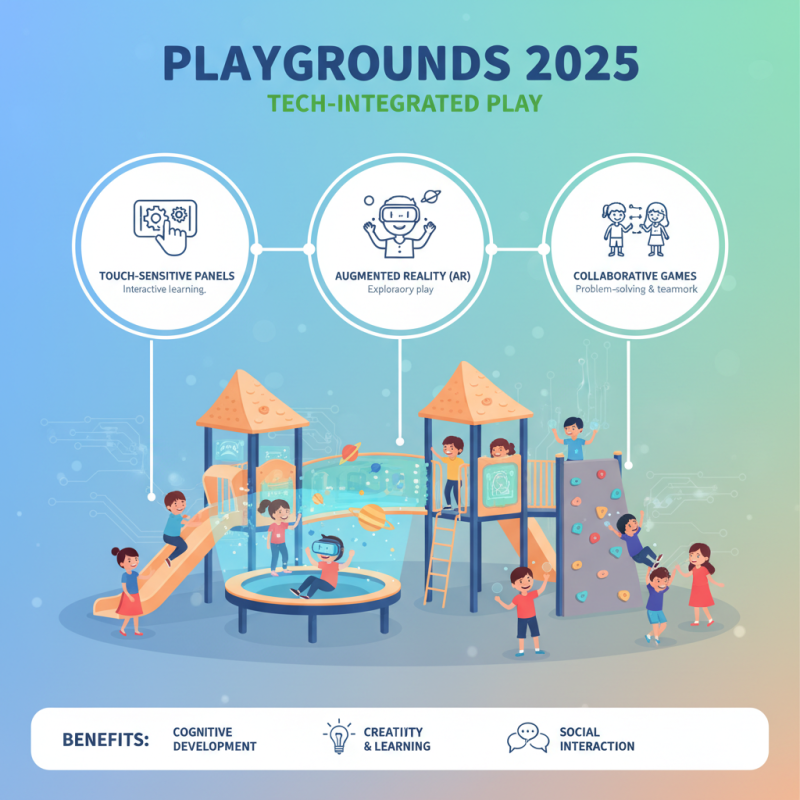
As we look toward 2025, the integration of technology into small playground equipment is poised to transform how children engage with their play environments. Modern playgrounds are no longer just about slides and swings; they are becoming interactive learning hubs. By incorporating features like touch-sensitive panels and augmented reality (AR) experiences, children can explore and learn while they play. This blend of technology and physical activity promotes cognitive development, encouraging kids to solve problems and collaborate with others in dynamic, engaging ways.
When considering upgrades or new installations, parents should look for playground equipment that includes programmable features or apps that allow customization based on the children's preferences. This not only makes playtime more enjoyable but also emphasizes the value of creativity and personalization in outdoor activities.
**Tips for Parents:**
1. Explore local parks and playgrounds that showcase technology-infused equipment to see how your children interact with these innovations.
2. Consider discussing and researching together with your children what kind of technological features they find engaging or fun. Their input can help set a precedent for future playground designs in your community.
3. Encourage outdoor play by suggesting tech-related challenges that can be incorporated into traditional playtime, such as scavenger hunts that use QR codes to uncover clues at different play stations.
Importance of Inclusive Play Equipment for Diverse Communities
In today's diverse communities, the importance of inclusive play equipment in small playgrounds cannot be overstated. As we move towards 2025, parents are increasingly recognizing the value of playgrounds that cater to children of all abilities. Inclusive playgrounds encourage social interaction, foster friendships, and develop crucial physical and cognitive skills among children with differing needs. This comprehensive approach to play ensures that every child feels welcome and engaged, nurturing a sense of belonging and community.
When considering inclusive play equipment for your local playground, it’s vital to think about adaptability and accessibility. For instance, look for items that accommodate children with mobility challenges, such as ground-level play structures or ramps. Additionally, sensory-friendly features like textured surfaces and interactive panels can enhance the play experience for children who may be overwhelmed by traditional playground setups.
Tips for promoting inclusivity in playgrounds include advocating for community initiatives that focus on diverse needs and engaging with other parents to gather insights on what types of equipment would best serve local children. Hosting community events where children can test and provide feedback on different equipment can also be a valuable way to ensure everyone’s voice is heard. Prioritizing inclusive play will ultimately create a richer, more fulfilling environment for all children.
 +86-13901441113

 CONTACT NUMBER
 CONTACT NUMBER