Top 10 Tips for Choosing the Best Childrens Playpark Near You
When it comes to finding the perfect place for your children to explore and play, choosing the right Children's Playpark can make all the difference in fostering their growth and creativity. A well-designed playpark not only provides a safe environment for children to enjoy physical activity, but it also encourages their social interactions and imaginative play. As parents, caregivers, and guardians, it is essential to consider various factors that contribute to a fun and engaging play experience.
In this guide, we will outline the top ten tips to help you select the best Children's Playpark near your home. From safety features and age-appropriate equipment to accessibility and cleanliness, we will delve into crucial elements to help you make an informed decision. With a bit of research and consideration, you can find a playpark that not only meets the needs of your children but also offers a vibrant community space where they can thrive. Join us as we navigate the important aspects of choosing a Children's Playpark that will create lasting memories and joyful experiences for your little ones.
Understanding the Importance of a Safe and Engaging Playpark
When selecting a children's playpark, the safety and engagement of the environment are paramount factors that should guide parents' choices. According to a 2021 report from the National Association for the Education of Young Children (NAEYC), quality play experiences are vital for child development, promoting social skills, physical health, and cognitive growth. Playparks that are designed with safety features—such as cushioned flooring, enclosed spaces, and age-appropriate equipment—help mitigate the risks of injury, which is significant as the Centers for Disease Control and Prevention (CDC) indicates that more than 200,000 children ages 14 and under are treated in emergency rooms for playground-related injuries each year.
An engaging playpark not only captivates children’s attention with creative designs and interactive features but also fosters an environment where children can explore and learn through play. The American Academy of Pediatrics emphasizes the importance of active play in physical health, noting that children should engage in at least 60 minutes of physical activity each day. Features such as climbing structures, balance beams, and water play areas can encourage physical movement while also enhancing problem-solving skills and social interaction among peers. A well-designed playpark becomes a space for adventure, imagination, and invaluable life lessons, creating an enriching backdrop for children's growth.
Top 10 Tips for Choosing the Best Childrens Playpark Near You - Understanding the Importance of a Safe and Engaging Playpark
| Tip Number |
Tip Description |
Importance |
Considerations |
| 1 |
Check for Safety Standards |
Ensures child safety from accidents |
Look for certification signs |
| 2 |
Proximity to Home |
Encourages frequent visits |
Consider traffic and access |
| 3 |
Diverse Play Equipment |
Promotes various physical activities |
Check for swings, slides, climbing structures |
| 4 |
Shade and Seating Areas |
Provides comfort for parents and kids |
Look for trees or constructed shade |
| 5 |
Cleanliness and Maintenance |
Prevents health hazards and enhances experience |
Observe the condition of equipment and ground |
| 6 |
Community Feedback |
Gives insight into the park’s reputation |
Check local forums or social media |
| 7 |
Age-Appropriate Facilities |
Ensures suitability for your child's development |
Look for separate zones for different age groups |
| 8 |
Accessibility |
Allows inclusivity for all children |
Evaluate paths and equipment for disabilities |
| 9 |
Supervision Options |
Enhances child safety |
Check visibility from benches and paths |
| 10 |
Community Activities |
Encourages social interaction |
Inquire about scheduled events or playgroups |
Evaluating Playground Equipment for Safety and Durability
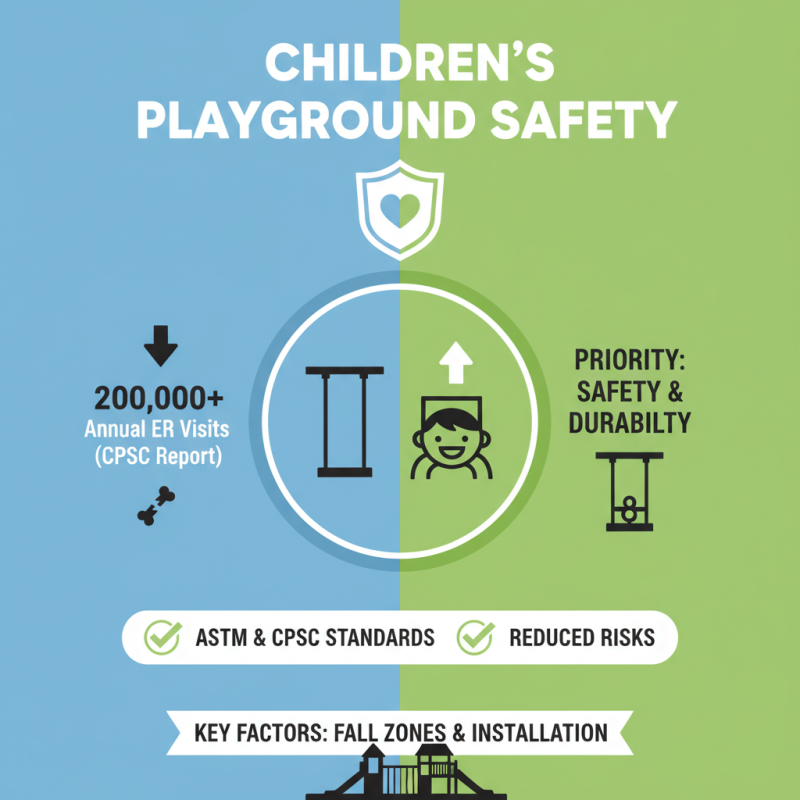
When selecting a children's playpark, one of the most critical factors to consider is the safety and durability of the playground equipment. According to a report by the U.S. Consumer Product Safety Commission (CPSC), over 200,000 children visit emergency rooms each year due to playground-related injuries. This statistic underscores the importance of evaluating equipment based on safety standards. Look for equipment that adheres to guidelines set by organizations like the American Society for Testing and Materials (ASTM) and the CPSC, which stipulate specific safety criteria that can significantly reduce risks, such as appropriate fall zones and installation procedures.
In addition to safety, the durability of playground materials plays a key role in the longevity and functionality of the equipment. Studies indicate that playgrounds made from high-quality materials can withstand harsh weather conditions and heavy usage, reducing maintenance costs over time. For instance, metal and treated wood tend to be more durable compared to plastic alternatives, which may crack or fade under UV exposure. Furthermore, regular inspections and maintenance can prolong the life of playground facilities, ensuring a safe environment for children to play. By prioritizing safety and durability, parents and guardians can make informed decisions that promote a secure and enjoyable play experience for their children.
Assessing Location and Accessibility for Families
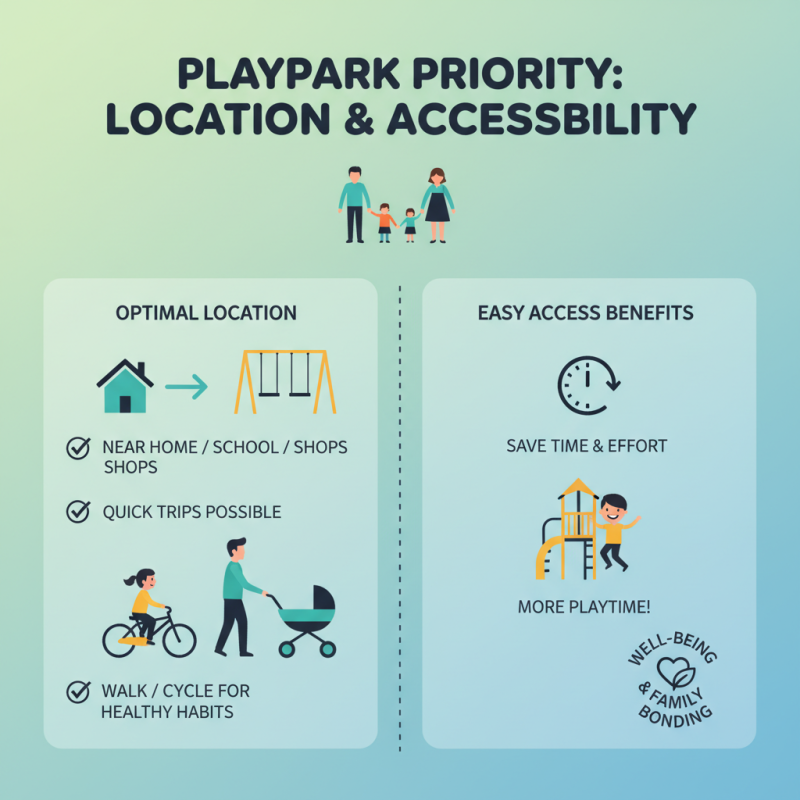
When selecting a children’s playpark, assessing its location and accessibility should be a top priority for families. Ideally, the playpark should be situated within a reasonable distance from your home or frequently visited areas, such as schools or grocery stores. This allows for quick trips and ease of access when your kids are eager to play. A park located within walking distance also encourages healthy habits, as families can incorporate physical activity into their routine by walking or cycling to the playpark.
Additionally, consider the accessibility of the playpark for all family members, including those with strollers or mobility challenges. Look for parks that have well-maintained pathways, ample parking, and safe crossings at nearby roads. It's crucial to ensure that the playpark is family-friendly, with features such as shaded areas, seating for caregivers, and nearby restroom facilities.
When evaluating location, also pay attention to the surrounding environment. A safe neighborhood with minimal traffic can enhance your experience and provide peace of mind while your children explore. Lastly, check if there are any community resources that offer playdates or activities at the park, fostering social interactions for both kids and parents alike. Choosing a playpark that emphasizes accessibility will not only enhance usability but also ensure that your family enjoys a pleasant day out.
Exploring Age-Appropriate Features and Activities
When choosing a children's playpark, focusing on age-appropriate features and activities is crucial for ensuring a safe and enjoyable environment. According to the National Association for Sport and Physical Education, children aged 2-5 require stimulating play areas that incorporate both physical and cognitive challenges. For toddlers, this means play structures that emphasize climbing, sliding, and balance in a secure setup, often featuring soft surfaces and lower heights that promote safe exploration. These design elements encourage gross motor development and enhance social interactions through cooperative play.
For older children, typically ages 6-12, playparks should provide more complex equipment such as climbing walls, rope courses, and interactive games. Research from the American Academy of Pediatrics highlights the importance of such features in fostering not only physical skills but also problem-solving abilities and teamwork. Activities that challenge children’s physical limits, while still considering safety standards, allow them to engage creatively and actively, contributing to their overall well-being. Additionally, including options for inclusive play can foster a sense of community and belonging, making the playpark suitable for children of varying abilities, which is growing in importance as communities recognize the value of inclusive play environments.
Considering Amenities and Facilities for Parents and Caregivers
When selecting a children's playpark, it's essential to consider the amenities and facilities available for parents and caregivers. A well-designed playpark should offer comfortable seating areas where adults can relax while keeping an eye on their children. Shaded benches or picnic tables not only provide a place to unwind but also encourage social interaction among caregivers. Accessibility is another crucial factor; the park should have paths that allow easy navigation for strollers and those with mobility challenges.
Additionally, it's important to look for facilities that promote cleanliness and comfort. Well-maintained restrooms with changing stations can significantly enhance the experience for families. Parks with refreshment options, like water fountains or snack kiosks, offer convenience and hydration after active play. Safety features, such as secure fencing and visibility for caregivers, should also be prioritized to ensure a worry-free environment. By focusing on these essential amenities, parents can choose a playpark that provides a pleasant and secure experience for both themselves and their children.
Top 10 Amenities for Children's Playparks
This chart illustrates the top amenities parents and caregivers consider when choosing a children's playpark. These amenities significantly enhance the play experience for children and convenience for adults.
 +86-13901441113

 CONTACT NUMBER
 CONTACT NUMBER