Top Tips for Choosing the Best Outdoor Play Slides?
Choosing the right outdoor play slides is essential for creating a fun and safe play environment for children. Outdoor play slides come in various shapes, sizes, and materials. This variety can make the decision process overwhelming. Parents may wonder which features matter most for their kids.
Consider the age of your children. Younger kids may need smaller, gentler slides. Meanwhile, older children might prefer taller, more thrilling options. Safety is a major factor too; sturdy materials can help prevent injuries. Think about the space available. A small backyard may limit your choices, while a large yard can allow for more elaborate setups.
Durability is another critical aspect. Outdoor play slides are exposed to weather and wear. You want something that can withstand the elements and last for years. Remember, the goal is to provide endless enjoyment while ensuring safety. Reflection on your specific needs is key in making the right choice. Balancing excitement with security is essential in this decision.
Factors to Consider When Choosing Outdoor Play Slides for Safety
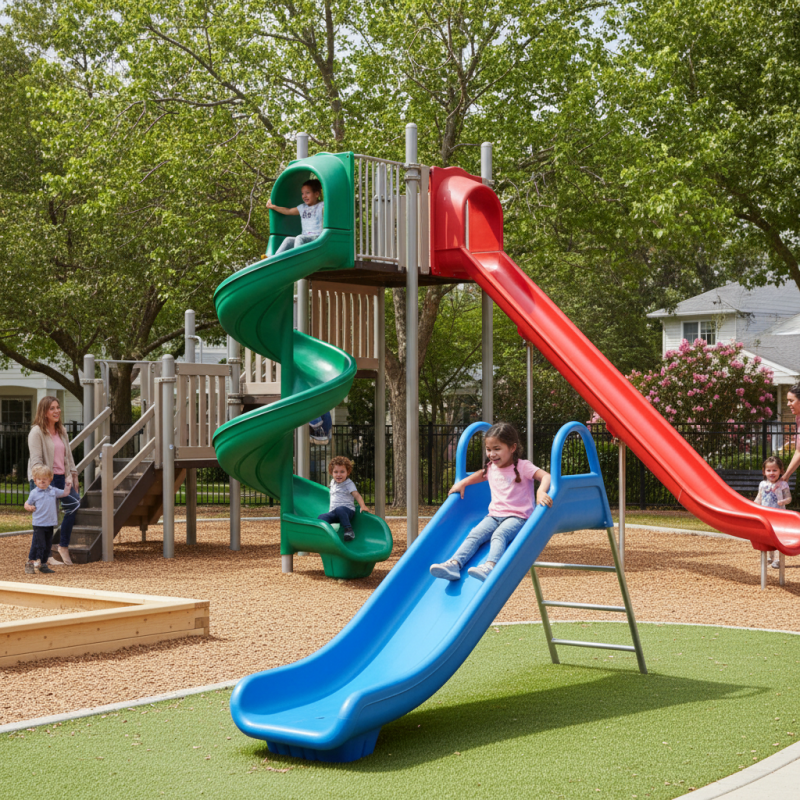
When selecting outdoor play slides, safety should be a primary concern. Look for slides made from durable materials. These materials should withstand weather changes and heavy use. Check for rounded edges and smooth surfaces. Rough edges can lead to injuries. Slides should be stable and securely anchored. A wobbling slide is a recipe for accidents.
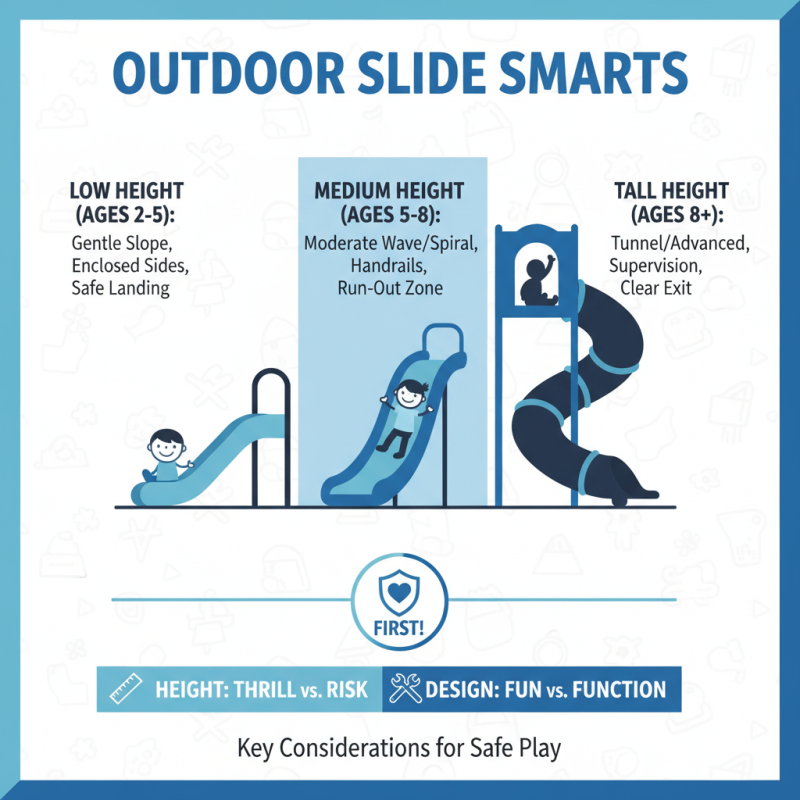
Height is another crucial factor. High slides may seem exciting but can pose risks for younger children. Ensure the slide's height matches your child's age and skill level. Consider the landing area too. It should be soft and spacious enough to cushion falls. Grass, sand, or rubber mats can help in preventing injuries.
Check for safety certifications. These can indicate that a slide meets safety standards. Don’t overlook the importance of supervision. Even the safest slide can lead to accidents without proper adult oversight. Encourage safe playing habits, like waiting for turns. Reflection on the layout is important. Too many slides in one area can create chaos. A well-planned play space promotes safety and enjoyment.
Top Tips for Choosing the Best Outdoor Play Slides - Factors to Consider When Choosing Outdoor Play Slides for Safety
| Factor |
Description |
Importance Level |
| Material |
Look for high-quality, durable materials like plastic or metal that can withstand weather conditions. |
High |
| Safety Features |
Ensure the slide has safety grips, rounded edges, and a sturdy base to prevent accidents. |
Critical |
| Height |
Choose a height that is appropriate for the age group and skill level of the children using it. |
Moderate |
| Stability |
Ensure the slide is stable and does not wobble during use; check the base support. |
High |
| Surface Type |
Consider the surface underneath the slide; grass or rubber mulch are good options for safety. |
Moderate |
| Size |
Make sure the slide fits the available outdoor space and does not overcrowd other equipment. |
Low |
| Age Appropriateness |
Select slides designed for the specific age range of children who will be playing on them. |
Critical |
Material Types: Durability, Maintenance, and Weather Resistance
Choosing the right material for outdoor play slides is crucial. Various options are available, each with unique characteristics.
Plastic slides are popular due to their lightweight nature. They are often easy to install and move if needed. However, they can fade over time.
Metal slides, like stainless steel, offer durability and resilience. They can withstand extreme weather conditions. But, they may require more maintenance.
Rust and corrosion can be a concern.
Wooden slides provide a natural look and sturdy feel. However, they need regular treatment to prevent rot and splinters.
Weather resistance is a key factor in your choice. Certain materials perform better in specific climates. Consider the sun’s intensity in your area. Excessive heat can make some materials too hot to touch. On the other hand, cold temperatures can cause brittleness in plastic. Always think about how often you'll need to maintain the slide. Sometimes, the most durable choice can be the hardest to care for.
Age Appropriateness: Designing Slides for Different Developmental Stages
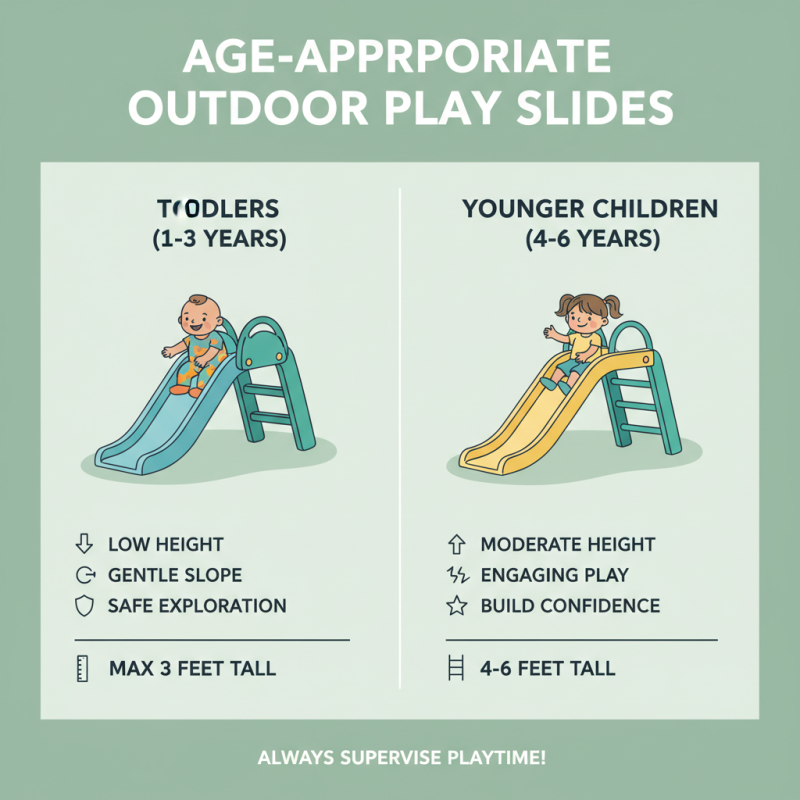
Age appropriateness is crucial when selecting outdoor play slides. Different age groups have distinct developmental needs. For toddlers, slides should have gentle slopes and low heights. This ensures safety and encourages exploration without overwhelming them. A slide with a height of no more than three feet is ideal for younger children.
For preschoolers, slides can be slightly taller, up to five feet, with a moderate incline. According to a report from the American Academy of Pediatrics, proper slide design can reduce the risk of injury by 75% when slides are age-appropriate. This helps build confidence while maintaining safety.
When choosing a slide, consider the material. Plastic slides are generally safer and more forgiving than metal. Check for smooth edges and sturdy construction. Encourage parents to supervise their kids actively. It's important to teach children when it's safe to use the slides. Remember, fun and safety can coexist.
Height and Design: Balancing Fun and Safety Standards
Choosing outdoor play slides requires careful thought, especially when it comes to height and design. A slide can be fun, but safety must come first. The height of a slide greatly influences its thrill level. Taller slides offer excitement, but they can also pose risks, especially for younger kids. If a slide is too high, it might intimidate a child or lead to falls.
Consider the slide's design as well. A wide slide allows for smoother rides, while a narrow one may feel more secure. Look for slides with side barriers; they provide an extra layer of safety. Smooth surfaces help prevent injuries too. Kids love speed, but how far is too far? It’s worth observing how children interact with the slide, as each child has a different comfort level.
Remember the space around the slide. A soft landing zone, like grass or mulch, can soften any unexpected falls. Yet, not all areas are equal. Some surfaces can hide dangers like rocks or sharp objects, calling for careful inspection before installation. Each detail matters when balancing fun with safety standards. Without reflection, a fun playtime can turn hazardous. Design choices shouldn't just excite but should also prioritize secure play.
Installation and Space Requirements for Outdoor Play Slides
When choosing outdoor play slides, installation and space are crucial. The area must be level and free of obstructions. Make sure to measure the distance from fences, trees, or building structures. Slides should ideally sit on soft ground, like grass or sand. This helps cushion any falls.
Consider the slide's height and length. Taller slides require more space for safe landings. It’s essential to maintain a distance of about six feet around the slide. Keep in mind the sun's position. Too much sun can make the slide hot. In contrast, excessive shade may affect the slide’s material over time.
Don't rush the installation process. Follow the manufacturer's guidelines carefully. Check regularly for wear and tear, especially after heavy use. Address issues like loose bolts or cracks immediately. Remember, safety is paramount. A well-placed slide can bring joy, but an unsafe one can lead to accidents. Building a safe play environment is a reflection of care and concern.
Top Tips for Choosing the Best Outdoor Play Slides
This chart illustrates the installation and space requirements for outdoor play slides based on different slide heights and corresponding required space. The data shows how the height of the slide can affect the necessary clearance and ground space needed.
 +86-13901441113

 CONTACT NUMBER
 CONTACT NUMBER