Playground Nursery Tips for Creating a Safe Learning Environment?
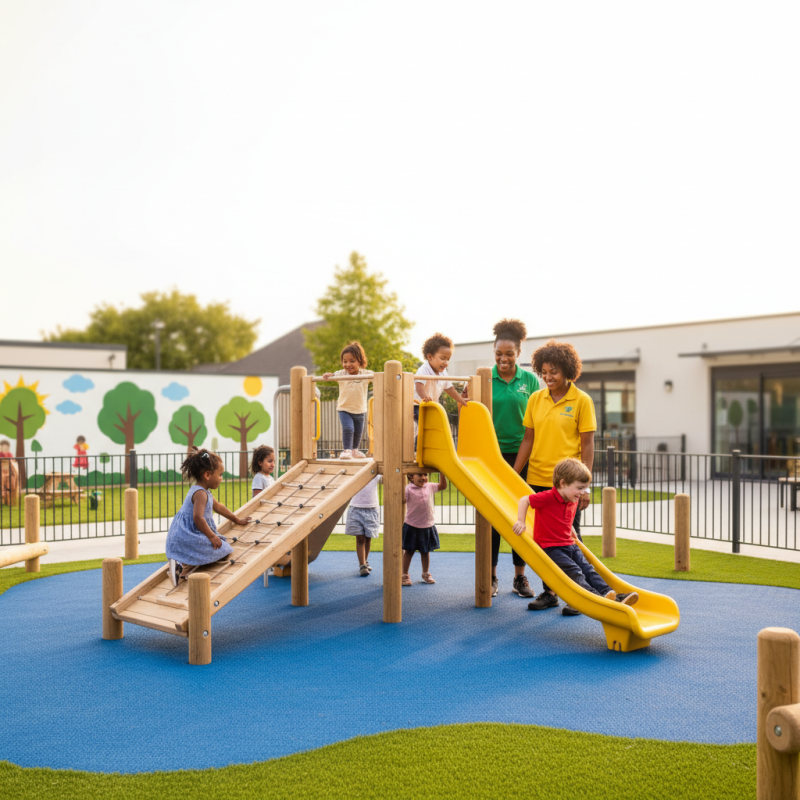
Creating a safe learning environment is essential for young children's development. In a Playground Nursery, children explore, learn, and grow through play. Safety in such settings is vital to prevent accidents and injuries.
Using soft ground materials can minimize the risk of falls. Regular checks should ensure playground equipment is in good condition. Staff must be vigilant, watching children as they play and interact. However, even with precautions, accidents can happen. Reflecting on these incidents helps improve safety measures.
Additionally, parents and caregivers play a crucial role. They should educate children about safe play practices. Encourage them to report any unsafe conditions. A safe Playground Nursery fosters an atmosphere of trust and exploration.
Importance of a Safe Learning Environment in Nursery Playgrounds
Creating a safe learning environment in nursery playgrounds is crucial. Young children are curious and adventurous. Their natural inclination to explore can lead to accidents without proper precautions. Soft surfaces under play equipment help absorb falls. Fencing is necessary to keep children contained. Regular safety checks should be routine. Each corner should be inspected for hazards.
Additionally, staff training is essential. Caregivers should understand how to supervise effectively. They need to recognize potential risks. A well-informed team can prevent accidents. Children should also be educated about playground safety. They can learn to take turns and share. Teaching them to play safely promotes self-awareness.
However, there are challenges. It may be difficult to enforce rules consistently. Some children might ignore guidance. There can be a mismatch in supervision levels. Reflecting on these issues helps improve safety protocols. Engaging parents can also enhance awareness and responsibility outside the nursery. Involving the entire community can lead to a truly safe environment.
Importance of a Safe Learning Environment in Nursery Playgrounds
Key Elements of a Safe Playground Design for Young Children
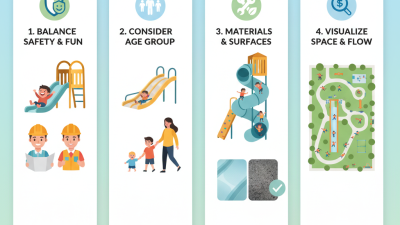
Creating a safe playground for young children involves several key elements. One important aspect is the choice of materials.
Soft surfaces, like mulch or rubber, can cushion falls.
These alternatives help reduce injury risk. Bright colors on equipment attract attention but need to be fade-resistant.
Regular inspection of these materials is crucial; worn-out areas can become hazardous.
Another significant factor is proper spacing between play structures. Children need room to explore and move.
Overcrowded areas can lead to accidents.
Introducing clear pathways can help guide play and reduce collisions.
It’s essential to involve children, allowing them to express their comfort levels and concerns about space.
Listening to their feedback helps create a better environment.
Visibility also plays a vital role. Caregivers should have unobstructed views of play areas.
If structures are too high or hidden, monitoring becomes difficult. Reflecting on these elements can reveal gaps in safety measures.
For instance, areas prone to water accumulation might create slipping hazards, which need addressing promptly.
Raising awareness among staff and guardians is imperative to prevent these risks.
Strategies for Supervising Children in Nursery Play Areas
Creating a safe learning environment in nursery play areas requires effective supervision. Observing children closely helps identify potential hazards. Always position yourself to see all children. This ensures that no one is isolated in risky situations. With multiple children, distractions arise. You may miss something important if you're not alert.
Engaging actively with children is essential. Join their play, but keep an eye out. Listen to their conversations and watch their interactions; this not only fosters relationships but also highlights safety issues. Often, children may not vocalize when they're in danger. They might wave a toy around or climb something unsafe. Having open conversations with them about safety can help, but remember that they may not always understand.
Reflect on your supervision style regularly. Are there moments when you feel overwhelmed? Acknowledge this and adjust your approach. You do not need to be perfect. Sometimes, stepping back to assess the overall situation can bring clarity. Encourage an open dialogue with fellow caregivers about what works or what doesn't. Together, you can create a safer, more supportive environment for all children.
Playground Nursery Tips for Creating a Safe Learning Environment
| Tip |
Description |
Supervision Strategy |
Recommended Age Group |
| Regular Safety Checks |
Conduct frequent inspections of play equipment and surroundings to identify hazards. |
Assign staff to check equipment before playtime. |
All ages |
| Clear Boundaries |
Establish clear play area boundaries to keep children within a safe distance. |
Supervisors should position themselves at boundary points. |
2-5 years |
| Emergency Plan |
Develop and practice emergency procedures for various scenarios. |
Role-play drills with children to ensure understanding. |
All ages |
| Engaging Play Activities |
Provide diverse and engaging activities to keep children occupied. |
Rotate activities and supervise group engagement. |
3-6 years |
| Proper Equipment |
Ensure all play equipment is age-appropriate and in good condition. |
Train staff on equipment use and maintenance. |
2-5 years |
Evaluating Playground Equipment for Safety Standards and Compliance
When evaluating playground equipment for safety, it’s crucial to prioritize compliance with
recognized safety standards. According to
the Consumer Product Safety Commission (CPSC), approximately 200,000 children visit emergency rooms each year due to playground-related injuries.
This alarming statistic highlights the need for thorough equipment inspection. The CPSC provides
guidelines, but schools and nurseries often overlook them. Regular evaluations are essential.
Inspecting playground surfaces is equally important. A
soft surface, like
wood chips or rubber mats, can reduce injuries significantly. The
National Program for Playground Safety states that 70% of playground injuries can be prevented by adequate surfacing.
Many establishments fail to install or maintain these surfaces properly. This oversight can lead
to severe consequences.
Look for equipment that has rounded edges and safe spacing between components.
These features minimize the risk of entrapping or falling injuries. However, even compliant
equipment can wear over time. Regular checks for rust, instability, or
wear and tear are often neglected. Encourage personnel to engage in
continuous training on safety protocols. This proactive
approach can foster a culture of safety, but it often requires a shift in mindset.
Creating a Culture of Safety Awareness Among Staff and Parents
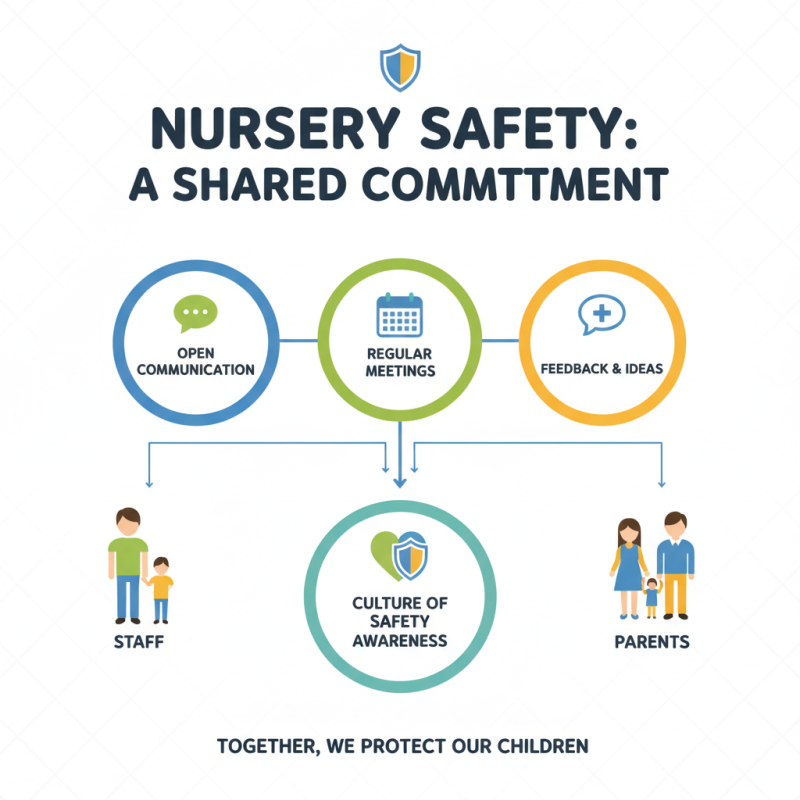
Creating a culture of safety awareness among staff and parents is vital in a nursery. It starts with open communication. Regular meetings help everyone understand safety protocols. These discussions allow staff to share experiences. Parents, too, can express their concerns and suggestions.
Training sessions are crucial for staff. They should focus on recognizing potential hazards. Demonstrations can illustrate safe practices effectively. Simple drills might help staff feel more prepared. Parents can participate in workshops, fostering community involvement. Providing handouts or newsletters reinforces safety messages at home.
Visual reminders are also beneficial. Posters on safety tips can be placed around the nursery. However, not every staff member may engage with these materials. Some parents might overlook safety updates. Creating an environment where questions are welcomed can bridge this gap. Reflection on past incidents will enhance future safety measures, ensuring everyone contributes to a secure learning space.
 +86-13901441113

 CONTACT NUMBER
 CONTACT NUMBER