2026 Top Childrens Playpark Features You Should Know?
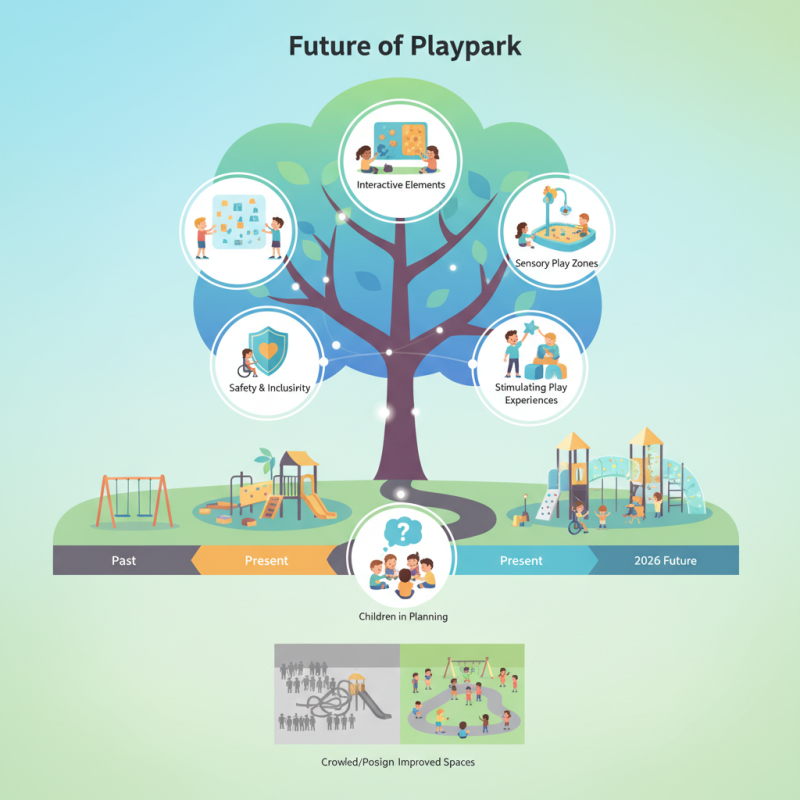
In recent years, the design of Childrens Playparks has evolved significantly. Parents and communities now prioritize safety, inclusivity, and stimulating play experiences. These parks serve as vital spaces for children's physical and social development.
In 2026, several exciting features will redefine what a Childrens Playpark can be. Imagine interactive elements that engage children's creativity. Picture sensory play zones that cater to different learning styles. These innovations promise to enhance joy and exploration.
However, not all features may meet everyone's expectations. Some areas may feel crowded or poorly designed. It’s essential to reflect on how these spaces can better serve diverse needs. Engaging children in the planning process could be a valuable step toward inclusivity. The future of Childrens Playparks is bright, yet it requires ongoing conversation and improvement.
Innovative Play Equipment Trends for 2026 Children's Playparks
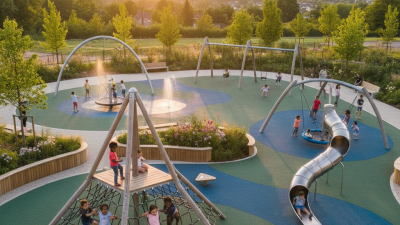
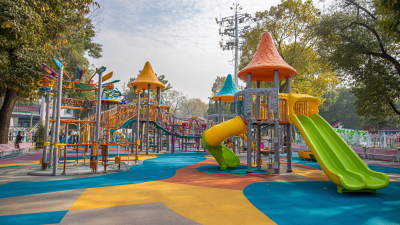
In 2026, children's playparks are set to feature innovative equipment that promotes active play. Expect climbing structures designed for various skill levels. These structures encourage children to challenge themselves while still having fun. Slides with unique designs, even in unusual shapes, will add excitement to the experience.
Nature-inspired play elements will become more common. These installations mimic real-world environments, like treehouses and boulder formations. Children can interact with natural materials. However, some designs may lack safety features, which is a concern. Attention to safety is crucial, as parents want peace of mind while their kids play.
Inclusive play spaces will gain more focus, accommodating children with different abilities. Swings that allow for wheelchair access will be part of this trend. It's uplifting, yet the execution must be flawless to ensure accessibility. Not all parks will successfully implement these features. The balance between creativity and safety remains a vital but challenging aspect of playground design.
Safety Standards and Regulations for Children's Play Areas in 2026
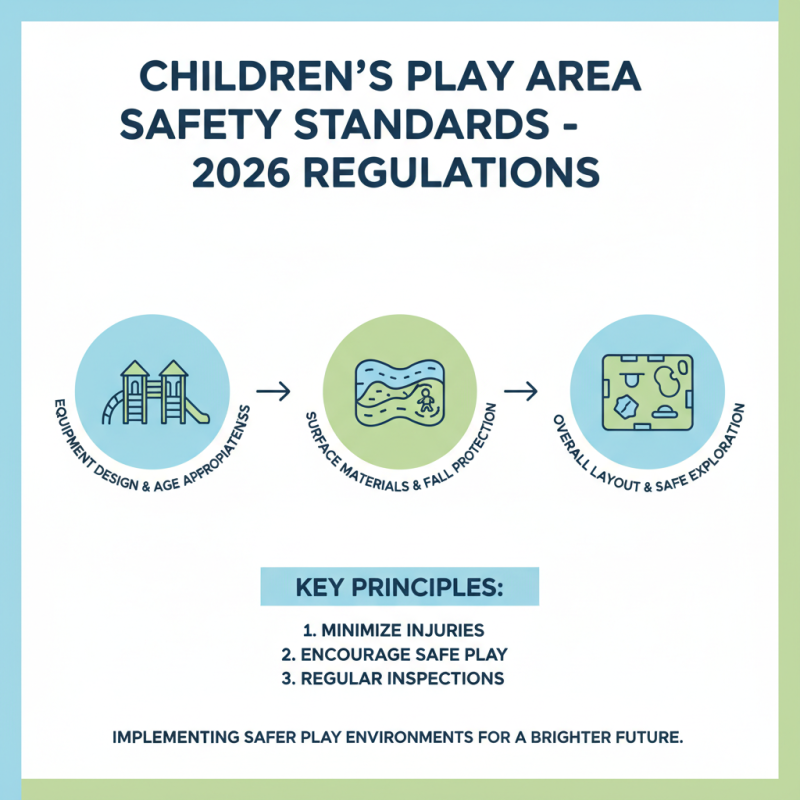
In 2026, children's play areas must adhere to strict safety standards. These regulations focus on equipment design, surface materials, and overall layout. Ensuring that play structures are age-appropriate is crucial. Each component must encourage safe exploration while minimizing injuries.
Surface materials play a significant role in safety. Soft, impact-absorbing surfaces can reduce the likelihood of falls leading to serious injuries. However, many parks still use outdated materials that may not provide sufficient protection. It's essential to evaluate existing areas and upgrade them to meet contemporary safety requirements.
The layout of play areas also matters. Creating separate zones for different age groups can help prevent accidents. Younger children often feel overwhelmed in mixed-age settings. Yet, some designs still lack clear boundaries, leading to chaotic situations. Regular inspections and updates are necessary to ensure all aspects of safety are continually met. Prioritizing safety in play areas is not just a choice but a responsibility we all share.
The Role of Interactive Technology in Modern Playparks
In modern playparks, interactive technology plays a crucial role in enhancing children's engagement. Playgrounds now feature digital installations that react to kids' movements. For instance, touch-sensitive panels light up when kids interact with them. This immediate feedback encourages creative play and exploration.
However, not all technology is perfect. Sometimes, kids can become overly reliant on screens, missing out on imaginative play. The balance between digital interaction and physical activity is vital. Parents and caregivers should guide children in using these tools. They should encourage time for traditional play alongside tech-based experiences.
Some parks also incorporate augmented reality (AR) games. These games create unique adventures and stories within the play area. While exciting, these can sometimes distract from social interactions. Children might spend too much time focusing on devices rather than engaging with peers. Reflecting on these aspects helps reshape how we design playparks for the future.
Inclusive Design: Making Playparks Accessible for All Children
Inclusive design is essential for children's playparks. It allows all children, regardless of ability, to enjoy outdoor spaces. Every child deserves to play. This requires thoughtful planning and design. Playparks should feature ramps, wide pathways, and sensory elements. These features welcome children with mobility challenges and sensory sensitivities.
Flexible equipment shapes are also beneficial. Some children might not be able to climb or swing in traditional ways. Offering ground-level play options is crucial. A balance of active and passive play is needed. However, ensuring safety alongside inclusivity can be challenging. It prompts questions about design standards.
Playpark designers must also consider social interaction. Spaces for group play can be very effective. Benches and shaded areas encourage parents to relax while their kids play. However, these elements are sometimes overlooked. The focus can unintentionally shift away from the need for accessibility. Continuous reflection on these aspects is important to create truly inclusive play spaces.
Nature-Based Play: Incorporating Natural Elements in Playpark Design
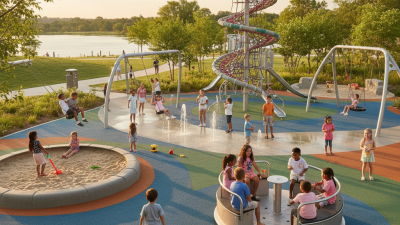
Nature-based play is becoming a key trend in playpark design. Incorporating natural elements creates a rich sensory experience for children. Imagine climbing trees, feeling the texture of bark, or listening to rustling leaves. These elements promote creativity and foster a deep connection with the environment.
Playparks that utilize sand, water, and rocks offer endless opportunities for exploration. Children can dig, build, and splash as they interact with nature. However, not every park successfully integrates these features. Some may seem forced or artificial, lacking the organic feel of a true natural setting. It's essential to balance aesthetics and functionality in designs.
Designing these spaces should go beyond mere playground equipment. Observation of local flora and fauna can inspire more meaningful experiences. Yes, it can be challenging to blend man-made structures with nature. Yet the results can be magical. More research and community involvement are needed to truly create engaging playparks. Let’s rethink our designs to cultivate wonder and exploration.
2026 Top Children's Playpark Features You Should Know
| Feature |
Description |
Benefits |
Natural Elements |
| Nature Trails |
Paths meandering through the play area, made of stones or wood. |
Promotes exploration and physical activity. |
Incorporates stones, wooden planks, and native plants. |
| Natural Climbing Structures |
Climbing rocks, logs, and wooden structures for climbing. |
Enhances strength, agility, and coordination. |
Uses boulders and fallen trees. |
| Sensory Gardens |
Areas filled with various plants to stimulate senses. |
Encourages sensory exploration and learning. |
Includes fragrant flowers, textured leaves, and edible plants. |
| Water Features |
Ponds, streams, or splash pads integrated into the design. |
Provides cooling off opportunities and enhances sensory play. |
Natural ponds with native aquatic plants. |
| Natural Play Materials |
Use of sticks, stones, and logs for play structures. |
Encourages creativity and imaginative play. |
Incorporates biodegradable and sustainable materials. |
 +86-13901441113

 CONTACT NUMBER
 CONTACT NUMBER