Top 10 Playground Facilities for Kids Fun and Safety
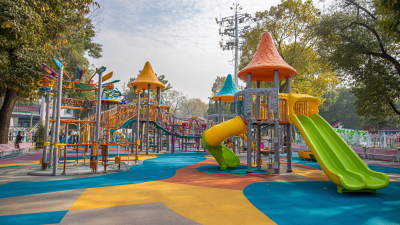
Playground facilities are essential for children's development and joy. They provide a safe space for kids to explore, play, and socialize. The right playground design can stimulate physical activity, creativity, and imagination.
However, not all playgrounds are created equal. Some facilities fail to meet safety standards, leaving children at risk. Poorly designed play areas can lead to accidents and injuries. It is crucial for parents and guardians to choose playground facilities with proper safety measures and engaging equipment.
In this article, we will discuss the top ten playground facilities that combine fun and safety. Each featured facility offers unique features and benefits for children. By highlighting these options, we aim to encourage more parents to prioritize safe play environments for their kids.
Top 10 Playground Facilities for Enhanced Safety and Fun
Playgrounds are vital for children's development. They offer spaces for fun and creative exploration. Safety should always be a priority in these environments. Well-designed playground facilities incorporate soft surfaces. This helps to reduce injuries during falls. Enclosed areas can provide a controlled space, fostering a sense of security for young children.
Some facilities may overlook necessary features. For example, enough shade is crucial in sunny areas. Lack of shade can lead to uncomfortable conditions. Additionally, access for children of all abilities is often inadequate. Every child deserves to play without barriers. Inspecting equipment for rough edges and wear can further enhance safety. Regular maintenance checks are essential to keep playgrounds in optimal condition.
It's important to engage parents and kids in the design process. Their feedback can highlight overlooked issues. A playground should encourage imaginative play while ensuring security. Balancing fun and safety creates an ideal play environment. Let's strive to learn from these observations for future improvements.
Essential Features of Safe and Engaging Playground Equipment
When designing playgrounds, safety and engagement are key. A recent study reported that over 200,000 children visit emergency rooms each year due to playground injuries. To prevent these accidents, proper equipment features are crucial.
One essential feature is soft landing surfaces. Materials like rubber mats or wood chips can reduce fall impact. A research report found that using these surfaces decreases injury severity by about 70%. Additionally, age-appropriate equipment is vital. Equipment designed for toddlers differs from that for older kids. Ensuring this can prevent accidents caused by mismatched play.
Tip: Inspect playgrounds regularly. Look for loose parts or sharp edges. Keep children within their age group while playing. Community involvement helps maintain safety. Engaging kids in safe play practices encourages their creativity.
Another focus should be visibility. Parents should easily supervise their children. Open layouts with clear sightlines enhance safety. Consider including interactive elements like climbing structures. They can stimulate physical activity while still ensuring safe use.
Tip: Encourage children to use equipment as intended. Educate them about potential dangers. Awareness can greatly reduce risks, making the playground a safer space for fun. Always remember, a safe playground is a happy playground.
Design Considerations for Age-Appropriate Play Structures
Designing playgrounds for children requires attention to their developmental stages. Young toddlers, for instance, need smaller structures to ensure safety. A low climbing frame can inspire confidence while keeping them safe. At the same time, older kids deserve more challenging equipment to match their physical abilities. A balance must be struck between fun and safety.
Consider the materials used in play structures. Soft surfaces reduce the risk of injuries. Rubber mats or grass are ideal choices. However, maintenance can be challenging. Regular inspections are crucial. Furthermore, not every design will be suitable for all children. Some children may have sensory sensitivities. Designing with various textures and spaces can make the playground inclusive.
Catering to multiple age groups is a common struggle. It’s important to avoid overcrowding on the same structures. An ideal playground might include separate zones. Younger kids can explore freely without worry. Older children can engage in more vigorous play. This not only enhances their enjoyment but also encourages social interactions. Each design must be evaluated continuously. Playgrounds should evolve with the needs of the community they serve.
Top 10 Playground Facilities for Kids Fun and Safety
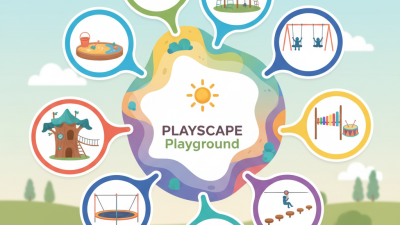
This chart represents the different types of playground equipment available for children, focusing on their suitability for various age groups and safety features. The data highlights the importance of having appropriate play structures to ensure both fun and safety for kids.
Maintenance Practices to Ensure Playground Safety and Longevity
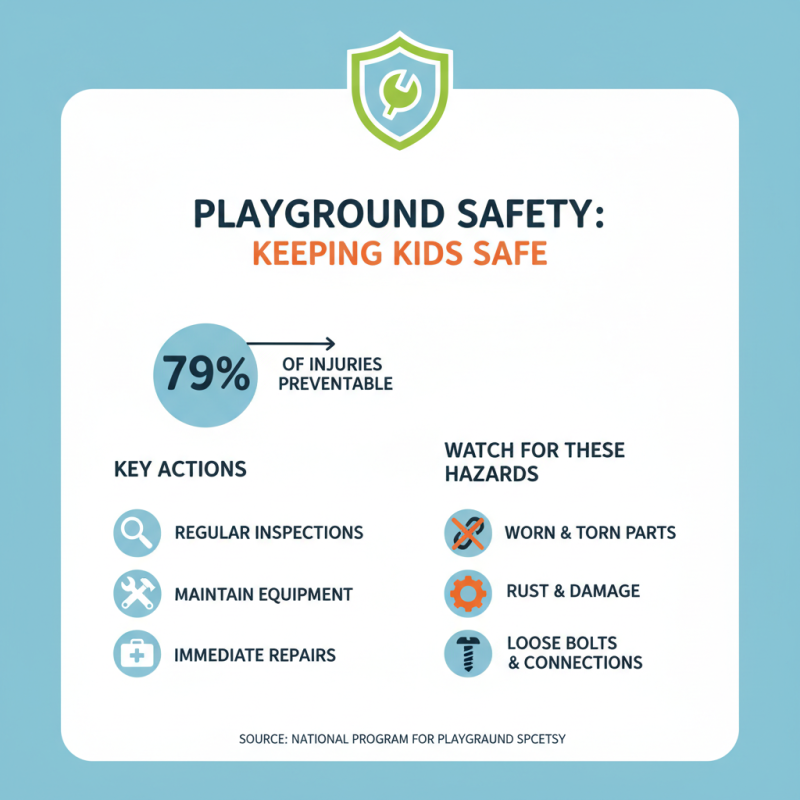
Playground safety is paramount. Regular maintenance can significantly reduce hazards. According to the National Program for Playground Safety, 79% of playground injuries could be prevented through proper inspections. Keeping equipment in good condition is essential for child safety. Wear and tear can lead to accidents. Signs of damage, rust, or loose parts must be addressed immediately.
Routine inspections should include checking surfacing material. A safe playground has at least 12 inches of soft material, like mulch or rubber mats. This helps cushion falls. However, many facilities overlook this aspect. 50% of playgrounds do not meet recommended safety standards. This gap indicates a need for more consistent maintenance practices.
Involve the community in monitoring these spaces. Parents and caregivers can report issues, fostering a culture of safety. Engage local schools or organizations for support. Frequent clean-ups and inspections can help maintain equipment. Encourage frequent assessments and improve safety measures. Community buy-in is crucial. It helps keep children safe while allowing families to relax and enjoy the playground experience.
Innovative Playground Designs that Promote Active Play and Social Interaction
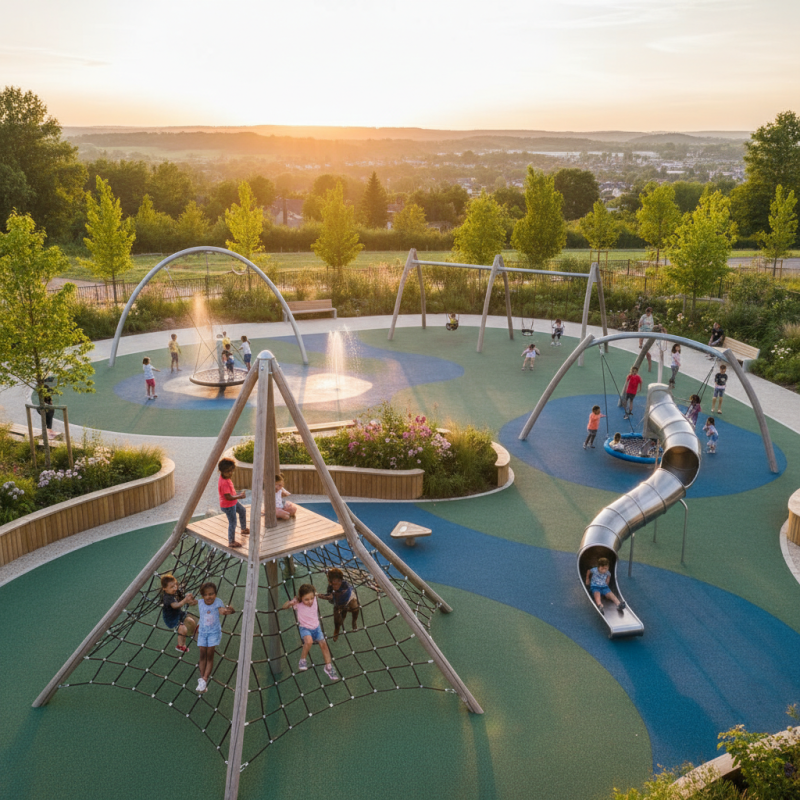
Playgrounds have evolved into vibrant spaces where children can play and socialize. Innovative designs encourage not only physical activity but also interaction among kids. Think of climbing structures that resemble natural landscapes. They spark imagination and promote cooperative play. Balance beams and rope courses foster teamwork as children navigate together through challenges.
When designing playgrounds, safety is vital. Soft surfaces can prevent injuries, but they should also be aesthetically pleasing. Integrating nature into these spaces could enhance the sensory experience. Trees and bushes provide shade, making play comfortable on sunny days. However, not all designs are perfect; some areas might feel isolated or lack engagement.
Tips: Include spaces for quiet reflection. A corner with benches or shaded areas invites kids to rest or chat. Ensure pathways are clear to avoid congestion. Mixing different heights and play types keeps children interested. Even simple elements, like a sandbox, can lead to hours of imaginative play.
Top 10 Playground Facilities for Kids Fun and Safety
| Playground Facility |
Age Range |
Key Features |
Promotes |
| Climbing Structures |
5-12 years |
Various heights, grip elements |
Physical strength, confidence |
| Swing Sets |
2-12 years |
Different types (tire, bucket) |
Balance, coordination |
| Slides |
2-10 years |
Curved, straight, sensory slides |
Courage, physical skills |
| Interactive Play Panels |
Toddlers-5 years |
Musical, sensory elements |
Imagination, social skills |
| Sand Play Areas |
Toddlers-10 years |
Shovels, buckets, molds |
Creativity, fine motor skills |
| Obstacle Courses |
5-12 years |
Climbing, crawling, jumping |
Agility, teamwork |
| Nature-based Play Areas |
All ages |
Logs, rocks, plants |
Exploration, interaction with nature |
| Water Play Features |
All ages |
Interactive water tables, splash pads |
Sensory play, social interaction |
| Fitness Stations |
8-14 years |
Pull-up bars, balance beams |
Strength, fitness education |
| Multi-use Games Areas (MUGA) |
5-18 years |
Basketball, soccer, tennis courts |
Teamwork, sportsmanship, fitness |
 +86-13901441113

 CONTACT NUMBER
 CONTACT NUMBER