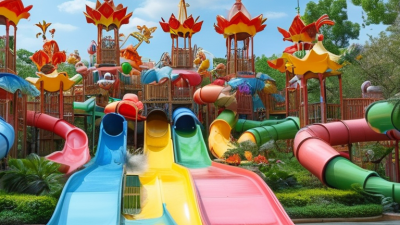
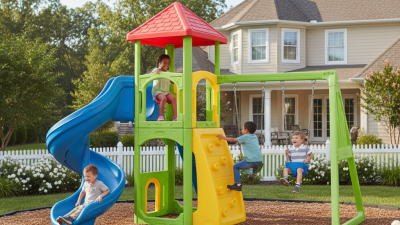
Top 10 Playground Nursery Products That Global Buyers Prefer?
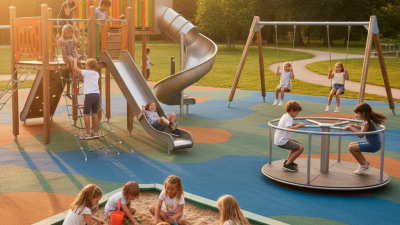
As parents and caregivers focus on early childhood development, the demand for high-quality tools in a Playground Nursery continues to rise. This environment plays a crucial role in shaping children's socialization, creativity, and physical abilities. Choosing the right products ensures a safe and engaging space for young children to grow.
Global buyers seek out reliable and innovative items to enhance their Playground Nursery experience. From sturdy play structures to interactive learning toys, they look for products that stimulate imagination. These items often combine safety features with educational benefits, reflecting a growing trend among parents who prioritize quality.
Yet, not all products meet expectations. Some may lack durability or safety certifications. It’s essential to recognize that not every popular item is suitable for every nursery. Thus, careful consideration and research are vital. Understanding the unique needs of children helps buyers make informed choices, ensuring a nurturing and playful environment.
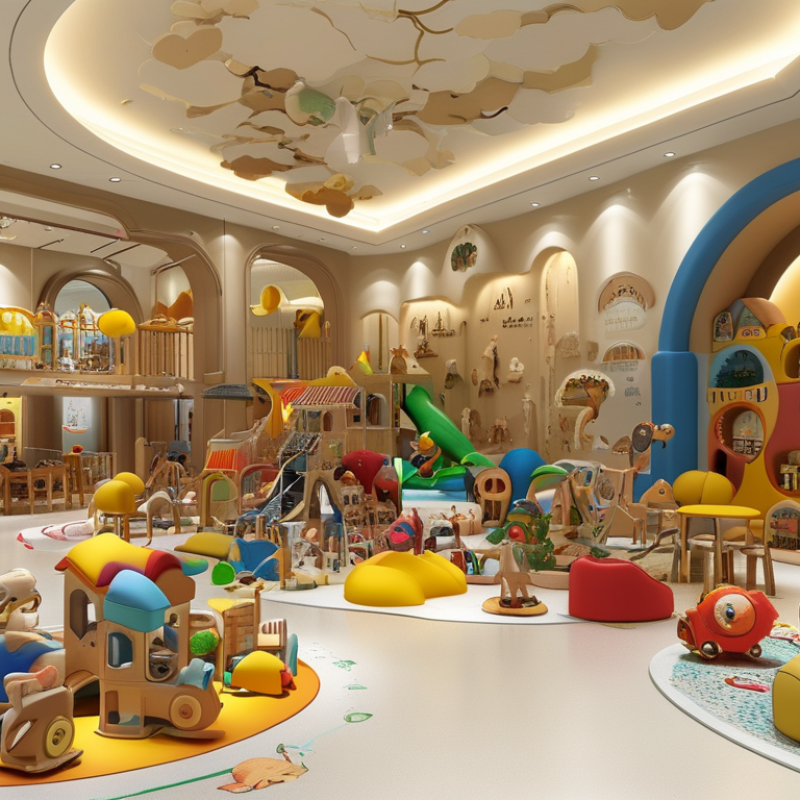
Global Market Overview: Trends in Nursery Playground Products
The global nursery playground product market is evolving. Trends indicate a growing preference for eco-friendly materials. Many buyers are now looking for sustainable options that are safe for children. The emphasis on safety has never been stronger. As parents prioritize their children's well-being, the demand for quality products rises.
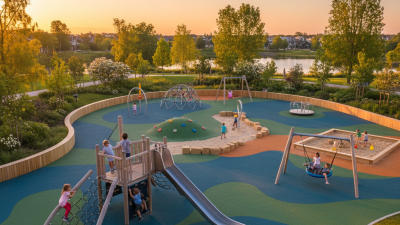
Incorporating interactive features is another trend. Playgrounds are now more than just physical structures. They encourage social interaction and promote cognitive development. Items such as climbing frames and sensory panels are popular choices among global buyers. This shift shows the importance of play in childhood development.
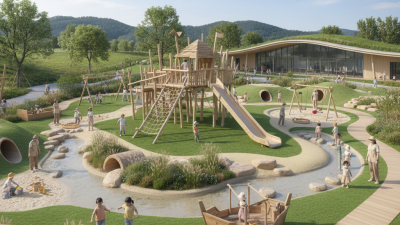
Tips for buyers: Consider materials that are durable and low-maintenance. Check if they meet safety regulations. Observe how the design fosters creativity and social skills. Lastly, seek products that blend seamlessly with natural surroundings. Making informed choices ensures better investment in children's play environments.
Key Safety Standards Influencing Buyer Preferences in Nursery Products
When considering nursery products, safety standards play a pivotal role in shaping buyer preferences. According to the U.S. Consumer Product Safety Commission, approximately 200,000 children under age 5 visit emergency rooms each year due to injuries related to nursery products. This statistic emphasizes why safety certifications are crucial for parents and caregivers. Products that adhere to rigorous standards are increasingly favored. For instance, the ASTM International and CPSC guidelines ensure that items are designed with safety as a priority.
Choosing products with good safety ratings greatly influences purchasing decisions. Features such as non-toxic materials, rounded edges, and stability are key elements buyers look for. A recent report by Safe Kids Worldwide indicates that about 70% of parents prioritize safety ratings over price. This preference suggests that there is a growing awareness of the implications of safety beyond mere compliance.
Tip: Always check for safety certifications before making a purchase. Products with labels from recognized safety organizations are generally more reliable.
Buyers often overlook the need for regular product checks. Nursery items can wear down over time, losing their effectiveness. Ensuring that products are regularly inspected can help prevent accidents. In an environment where children explore freely, the importance of vigilant oversight cannot be overstated.
Top Features Buyers Look for in Playground Equipment for Nurseries
When it comes to selecting playground equipment for nurseries, safety is a paramount concern for buyers. According to recent industry reports, 70% of directors prioritize safety features. This includes soft edges, durable materials, and reliable safety certifications. Additionally, non-toxic finishes are a must-have. Parents and educators alike want to ensure that children can play without risks of injury or exposure to harmful chemicals.
Another critical factor is developmental value. Equipment that supports different motor skills is highly sought after. Items should encourage climbing, sliding, and balancing. Research indicates that active play supports cognitive development in young children. Thus, versatile designs that promote exploration are essential. However, not all equipment delivers on this promise. It can be challenging to find options that appeal to various age groups while ensuring safety.
Tip: Seek out products with testimonials from other nurseries. Real experiences can shed light on durability and overall satisfaction.
Aesthetic appeal also plays a role. Bright colors and engaging designs catch young children’s attention. Fun visuals can promote higher engagement during playtime. Yet, many buyers forget to balance aesthetics with practicality. Equipment should be easy to clean and maintain while appearing inviting. Making informed choices involves weighing these aspects carefully.
Tip: Consult with child development experts when making decisions. Their insights can guide you towards beneficial options.
Emerging Innovations in Nursery Product Design and Sustainability
The nursery product industry is witnessing exciting innovations in design and sustainability. Emerging materials, such as bamboo and recycled plastics, are gaining traction. These materials are lightweight, sturdy, and help reduce environmental impact. Many designers are prioritizing eco-friendly options. This shift is not just a trend; it reflects a deeper commitment to sustainability.
Color choices and aesthetics are evolving too. Bright, engaging colors attract children’s attention and inspire creativity. However, it remains challenging to balance fun designs with safety features. Innovations are made, yet imperfections exist. Products need to be both playful and safe. The quest for the perfect blend continues.
Parent feedback is crucial in shaping these products' future. Many parents want environmentally responsible items that promote learning. Designers face the task of satisfying these desires while ensuring durability. The process can be complex, but listening to consumers is vital. Each piece evolves, driven by both passion and the necessity for improvement.
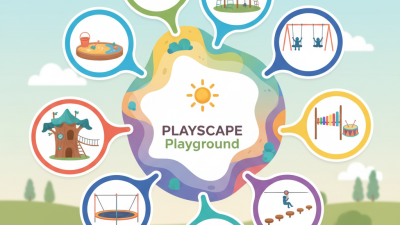
Top 10 Playground Nursery Products Preferred by Global Buyers
Regional Variations in Demand for Nursery Playground Products Worldwide
Regional demand for nursery playground products shows significant variation across the globe. According to a recent market analysis, North America holds the largest market share, driven by increasing investments in educational infrastructure. The Global Market Insights report indicates that the U.S. nursery playground equipment sector is expected to grow at a CAGR of 5.4% from 2022 to 2030. This demand often correlates with government initiatives promoting outdoor play for children.
In Europe, there is a growing interest in eco-friendly playground solutions. Research from Statista highlights that 45% of European buyers prefer sustainable materials. Interestingly, markets in Asia reflect a different trend. Countries like China are rapidly expanding their playground facilities. A report from the Asia Pacific Playground Equipment Market suggests that the region will see a robust 6.8% growth rate by 2025. However, challenges like safety standards and maintenance requirements often hinder faster adoption rates.
Despite the positive outlook, some markets are experiencing gaps in product awareness among buyers. For instance, many global buyers still lack information on the varying quality standards. As parents and educators prioritize safety, more education may be required about these products. This scenario reflects the need for continuous improvement in communication and product transparency within the nursery playground sector.
 +86-13901441113

 CONTACT NUMBER
 CONTACT NUMBER