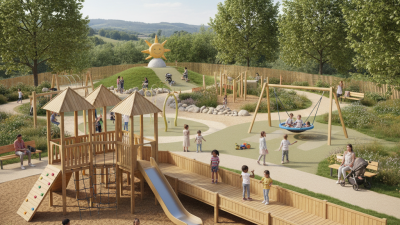
Top Playground Systems for Safe Fun What Should You Consider?
Playground Systems play a crucial role in providing safe and engaging environments for children. According to the International Playground Safety Institute, injuries related to playgrounds send over 200,000 children to emergency rooms each year. This statistic highlights the importance of selecting high-quality equipment that prioritizes safety.
Expert in the field, Dr. Emily Richards, emphasizes that "the right Playground Systems can transform a simple park into a safe haven for imaginative play." Her insights underline the need for thoughtful consideration when designing and installing playgrounds.
It's essential to evaluate elements such as material quality, maintenance, and design features. Each factor influences safety and fun. While some products may seem appealing, they can lack comprehensive safety measures. Through careful research, parents and communities can choose Playground Systems that ensure children’s safety and enjoyment for years to come.
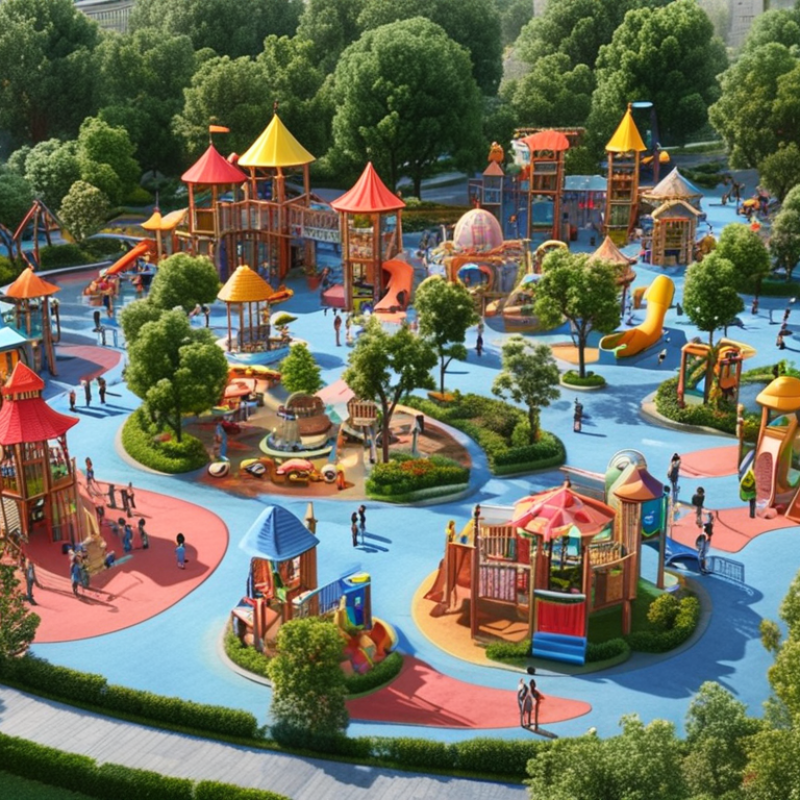
Factors Influencing Playground Safety and Fun
Playground safety is paramount to ensuring that children can enjoy their time outdoors. According to the National Association for Sport and Physical Education (NASPE), approximately 200,000 children visit the emergency room each year due to playground-related injuries. It highlights the need to consider various factors when designing and selecting playground systems.
Surface material is a key aspect of safety. The right surface can reduce fall-related injuries significantly. Materials like rubber mulch or engineered wood fiber provide better cushioning compared to traditional grass. Research indicates that a safe surface can lower the risk of injury by up to 50%. It’s also crucial to ensure that equipment meets safety standards set by recognized organizations like the ASTM.
Parents and caregivers should also observe the layout and spacing of playground equipment. Overcrowding can lead to accidents. Safe zones should be established between different play structures to provide children with adequate room to move freely. Additionally, visibility for supervisors is vital. If children cannot be easily seen, the chances of accidents increase. Regular inspections of the playground can also help identify potential hazards, prompting timely repairs.
Proper supervision plays a significant role in safeguarding children on playgrounds. Adults should engage with children and monitor their activities. Encourage kids to use equipment appropriately and be mindful of their surroundings. This interaction fosters a safe space for all.
Remember that the key to a successful playground experience is not just having fun, but doing so safely.
Types of Playground Equipment and Their Safety Features
When considering playground equipment, the variety of options and their safety features are crucial. Common types include slides, swings, climbing structures, and merry-go-rounds. Each type presents unique safety challenges. According to the U.S. Consumer Product Safety Commission, over 200,000 children are treated for playground-related injuries annually. This statistic underscores the importance of careful equipment selection.
Climbing structures often carry the highest risk. They should comply with standards set by ASTM International, which emphasizes appropriate height and proper spacing. Additionally, cushioning materials like rubber mulch or foam mats significantly reduce impact injuries. The National Program for Playground Safety encourages using equipment that suits children’s ages and skill levels to minimize risky play.
Yet, safety is not only about equipment; supervision matters too. Many accidents happen when kids play unsupervised. Educating parents and caregivers on the importance of watching over children can significantly decrease hazards. Overall, investing time in selecting safe playground systems can lead to a fun-filled environment, yet continuous evaluation and adaptation to safety measures are essential for effective risk management.
Top Playground Systems for Safe Fun: Types of Playground Equipment and Their Safety Features
Age-Appropriate Play Structures for Different Developmental Stages
When choosing playground systems, age-appropriate play structures are crucial. Children develop at different rates. A toddler’s play area should prioritize safety and simplicity. Features like soft surfaces and low climbing structures help prevent injuries. At this stage, engagement is vital. Sensory panels and balanced play elements can stimulate curiosity and coordination.
As children grow, their abilities expand. Preschoolers enjoy more challenging equipment. Structures with slides, climbing walls, and balance beams encourage physical skills. These features enhance gross motor development. They also promote social interactions among peers. However, supervision is essential to ensure safety.
For older children, adventure play becomes vital. They seek thrill and challenge. Climbing towers and zip lines foster independence and confidence. Yet, adult oversight remains important. Engaging with kids during play can help them understand risks better. Observing their interactions can reveal how to improve their play experience. The key is finding a balance between challenge and safety.
Maintenance and Safety Inspections for Playground Systems
When considering playground systems, maintenance and safety inspections are crucial. Regular inspections help identify wear and tear, ensuring children's safety. A well-maintained playground fosters a positive environment for fun and exploration.
Conduct inspections every month to check for safety hazards. Look for loose screws, damaged components, or sharp edges. Each time you inspect, take notes. Track issues over time to understand patterns and prevent accidents.
Tips for effective maintenance include creating a checklist based on manufacturer guidelines. Engage the community for support in maintaining local playgrounds. It’s essential to involve children in discussions about safety; they often notice things adults might overlook. Regular training for staff on safety procedures can enhance awareness and responsiveness.
Materials and Design Considerations for Safe Play Environments
When creating safe play environments, the choice of materials and design is crucial. Various materials can affect safety and longevity. For instance, wood, while aesthetically pleasing, may splinter over time. Metal can be durable but may become hot in sunlight. Consider using softer materials, such as recycled plastics or rubber, to reduce injury risks.
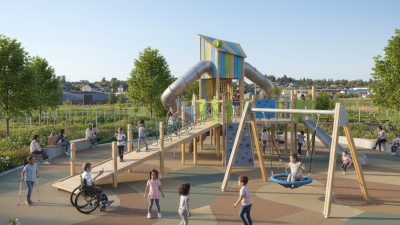
In terms of design, it's vital to consider age-appropriate structures. Young children need lower equipment and softer surfaces, while older kids may seek more challenging components. Ensure that there are clear sight lines for supervising adults. Design elements that encourage inclusivity can foster social interactions among children of varying abilities.
Consider incorporating natural elements. Trees and shrubs can provide shade and create a calming environment. However, be mindful of potential hazards, such as falling branches or thorny plants. Always allow room for flexibility; a layout that works today may need adjustments as children grow.
 +86-13901441113

 CONTACT NUMBER
 CONTACT NUMBER