Top Playground Systems in China for Global Buyers?
In the booming playground systems industry, China stands out as a key player. The demand for safe and innovative recreational spaces is on the rise globally. Experts like Dr. Emily Wang, a leading figure in playground design, emphasize that "quality play areas are essential for children's development."
However, navigating the options can be challenging for global buyers. The variety of designs, safety standards, and materials may lead to confusion. Reliable suppliers are critical to ensure quality and compliance with international regulations. China's manufacturers provide a vast range of products, but craftsmanship can vary significantly.
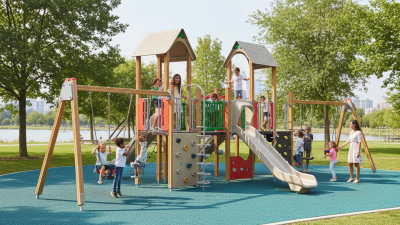
Potential buyers must weigh their options carefully. They should look for experienced manufacturers with solid reputations. By focusing on durability, safety, and creativity, buyers can find playground systems that truly enhance children's play experiences. Every decision counts in creating safe, engaging environments for future generations.
Overview of the Playground Equipment Market in China: Trends and Insights
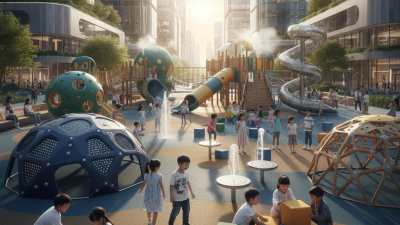
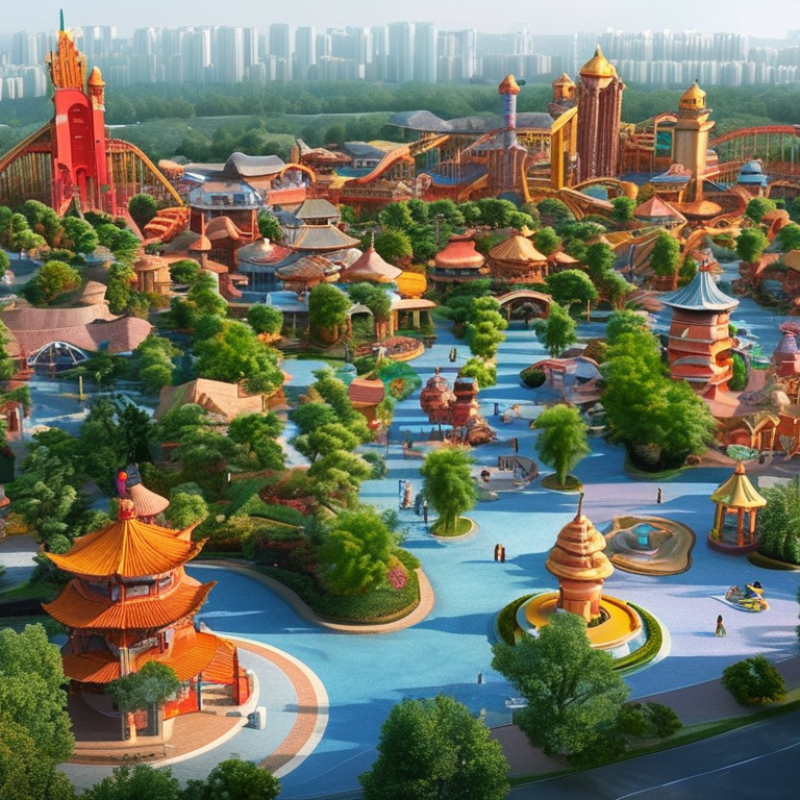
The playground equipment market in China is rapidly evolving. Increasing urbanization leads to a rising demand for playgrounds in cities. Unlike in the past, modern playgrounds now focus on safety and engagement. They integrate elements that promote physical activity and social interaction. Many local manufacturers strive to incorporate innovative designs into their products. This shift reflects the changing preferences of families and communities.
Environmental sustainability is becoming a key trend. More buyers seek eco-friendly materials for playground systems. Companies face challenges in sourcing sustainable resources while maintaining product quality. Safety standards have also risen, demanding rigorous testing and certification processes. Keeping up with regulations can be daunting for smaller manufacturers.
Consumer preferences vary across regions. Some areas favor traditional designs, while urban areas lean towards contemporary styles. This creates a complex landscape for global buyers. They must understand local needs to make informed choices. Engaging in market research can yield valuable insights. However, some potential pitfalls exist, such as misjudging trends or overlooking emerging safety concerns. Staying informed is essential for success in this competitive market.
Key Features of Top Playground Systems for International Buyers
The playground equipment market in China is expanding rapidly, attracting global buyers. Recent industry reports indicate a projected growth rate of 6.6% in the playground systems sector through 2027. Buyers should prioritize several key features when selecting products.
Safety is essential. Durable materials, like high-density polyethylene, enhance longevity. Also, compliance with international safety standards, such as ASTM and EN, is crucial. Interestingly, only 45% of suppliers are currently aligned with these standards, leaving a gap for improvement.
Another important aspect is customization. Customizable designs allow parks to cater to various age groups and promote inclusivity. Around 70% of modern playgrounds now include accessible features, a notable shift from past designs. This trend reflects a growing awareness of diverse community needs. Nevertheless, the availability of truly innovative structures remains limited, demanding ongoing industry evolution.
Market Leaders in Chinese Playground Manufacturing: A Comparative Analysis
China has become a hub for playground manufacturing, offering a wide range of innovative systems. According to a 2022 industry report, the market size reached approximately $3.5 billion, with a projected annual growth rate of 7% over the next five years. This data highlights the increasing demand for safe and engaging play environments. Many Chinese companies are at the forefront, emphasizing quality and safety standards that align with international benchmarks.
When exploring playground systems, consider the material used in construction. High-quality plastics and metals are crucial for durability. A study shows that playgrounds incorporating eco-friendly materials not only enhance safety but also appeal to environmental consciousness among global buyers. However, the market does face challenges. There are reports of inconsistencies in manufacturing quality, which can lead to safety hazards. It’s essential to thoroughly vet suppliers.
Tips: Always inspect compliance certifications. Verify if the systems meet local safety standards. Communicating with existing clients can also provide insights into a manufacturer's reliability. Investing time in research may prevent potential setbacks. Seek manufacturers that provide transparent information and after-sale support.
Safety Standards and Regulations for Playground Equipment in China
In recent years, playground safety has become a paramount concern in China. The country has implemented stringent safety standards to ensure equipment is safe for children. These regulations are designed to minimize risks such as falls and impact injuries. A variety of materials is assessed for their durability and safety. Regular inspections at manufacturing sites are crucial for maintaining these standards.
Though safety measures are in place, challenges remain. Manufacturers sometimes struggle to keep up with evolving regulations. Compliance can lead to increased production costs, impacting final prices for buyers. Additionally, there's a need for better training among staff handling playground installation and maintenance. This ensures environments remain safe and enjoyable.
Global buyers should prioritize suppliers who demonstrate a commitment to safety. While many companies adhere to regulations, the inconsistency in practices can be concerning. Buyers must conduct thorough research. Assessing certifications can help identify reliable partners committed to safe playground systems. Addressing these concerns can lead to better outcomes for children's safety overall.
Future Growth Projections for the Playground Industry in China and Beyond
The playground industry in China is experiencing rapid transformation. This sector shows immense growth potential due to urbanization and rising disposable incomes. Many cities are prioritizing children’s recreation. With new government policies focusing on child development, playgrounds are becoming essential public resources.
Investment in innovative playground systems is expected to increase. Consumers are seeking safer and more engaging equipment. Suppliers are developing designs that integrate technology, promoting learning through play. However, there’s a challenge: not all buyers understand the safety and durability of modern materials. This gap can lead to unsatisfactory purchases.
Future projections indicate a shift in demand. Buyers are becoming more aware of sustainability in playground equipment. They seek eco-friendly materials. This growing trend may challenge traditional manufacturers. The industry must adapt quickly. Product development needs to reflect these changing values. Brands must also address how children interact with play spaces. This evolution requires ongoing research and reflection on current practices.
 +86-13901441113

 CONTACT NUMBER
 CONTACT NUMBER