Top 10 Playground Systems for Safe and Fun Outdoor Play
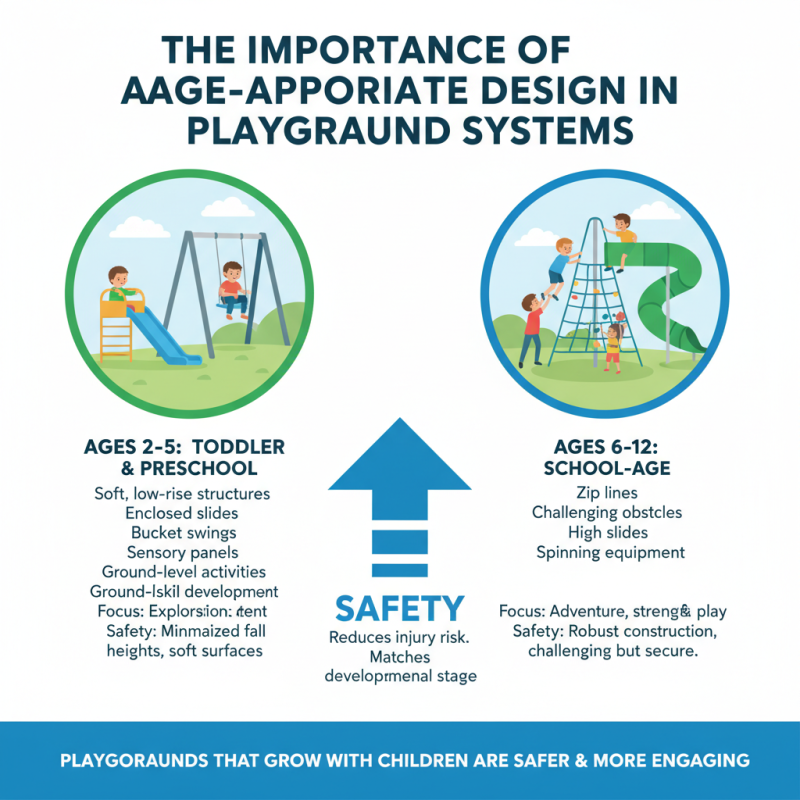
When it comes to children's outdoor play, safety and fun should always go hand in hand. Playground systems play a crucial role in creating a secure environment for children to explore and enjoy. Selecting the right equipment involves more than just aesthetics; it requires an understanding of durability, safety features, and age appropriateness. Well-designed playground systems cater to various skill levels and encourage physical activity, social interaction, and creativity.
Not all playground systems are created equal. Some may lack important safety certifications or features. Others may not be suitable for certain age groups, leading to potential hazards. It’s essential for caregivers and educators to assess their specific needs before installation. With so many options available, finding the best playground systems can feel overwhelming.
In this guide, we will explore the top ten playground systems that prioritize safety without compromising on fun. These selections are based on expert reviews and user feedback. Each system will be evaluated for its design, safety ratings, and overall play value. Let's dive into the world of playground systems that promise an engaging outdoor experience for children.
Top 10 Playground Systems: An Overview of Safety Standards and Features
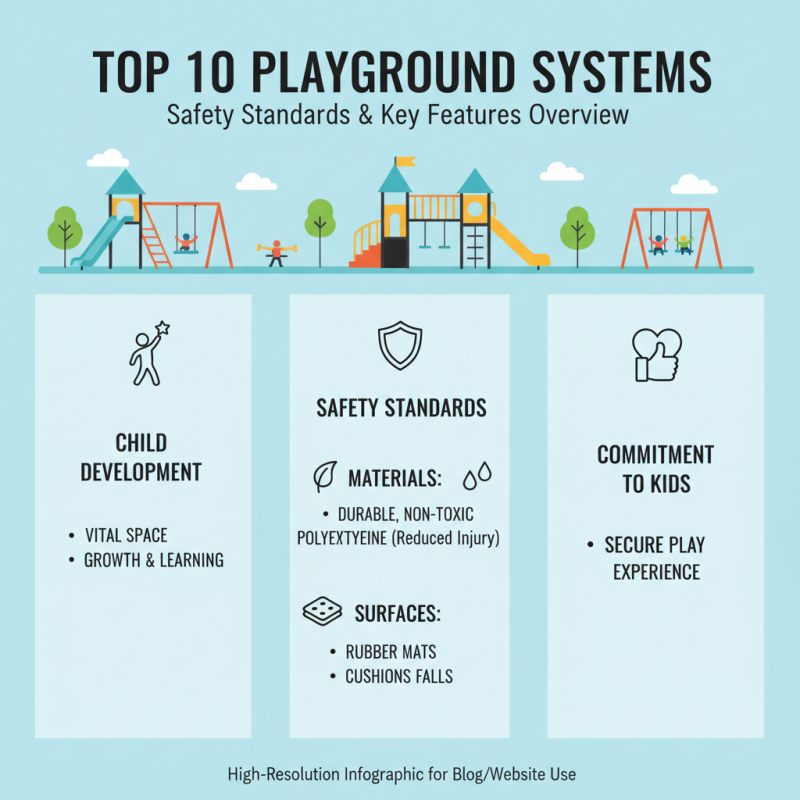
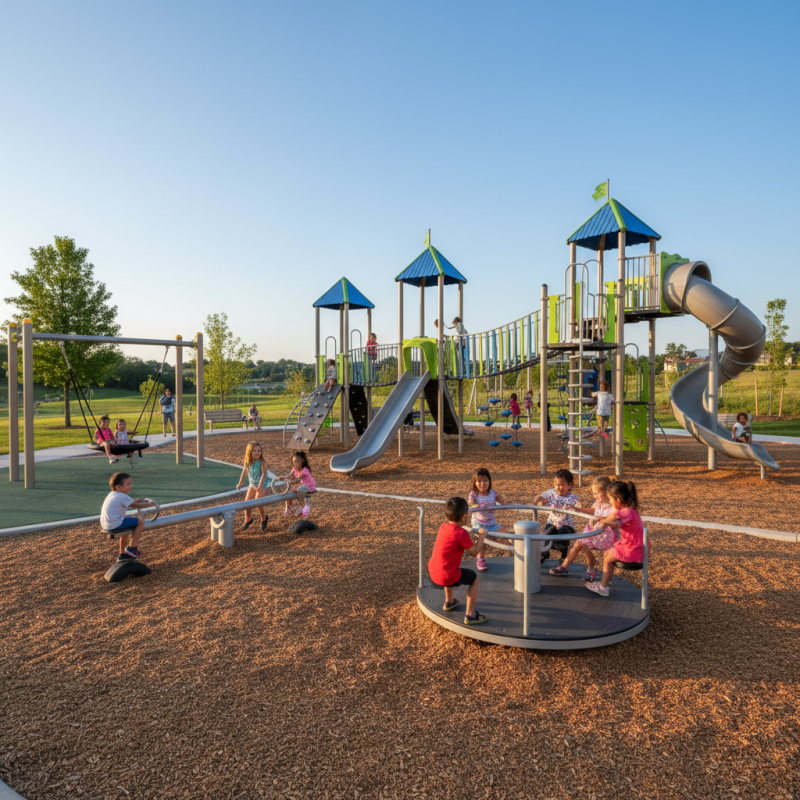
Playgrounds serve as vital spaces for children's development. However, safety standards are essential for a secure play experience. Many playground systems incorporate materials that are durable and non-toxic. For instance, using polyethylene instead of metal helps reduce the risks of injury. Ground surfaces, like rubber mats, cushion falls effectively. These choices reflect a commitment to child safety.
It's also crucial to consider the design features. Systems should promote social interaction and physical activity. Features like climbing walls and slides encourage kids to be active. Yet, some designs may not cater to all age groups, leading to potential accidents. Inclusivity is often overlooked, which can limit play opportunities for younger children or those with disabilities.
Regular inspections and maintenance are equally important. Even the safest equipment can become hazardous over time. Rust, wear, and tear can pose risks. Communities must ensure their playgrounds are safe, even when standards are met. This ongoing vigilance is necessary for lasting safety and enjoyment. Ultimately, evaluating both safety standards and practical features guarantees a fun, secure environment for all.
Materials Used in Playground Equipment: Comparing Durability and Safety
When selecting playground systems, the materials used in construction are critical. Different materials offer varying levels of durability and safety.
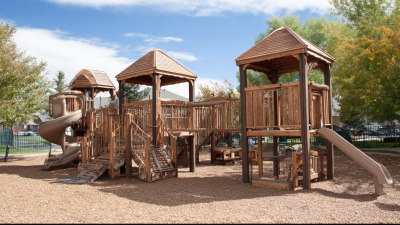
Metal, for example, is robust but can pose heat risks in sunny weather. Wood provides a natural look but requires regular maintenance to ensure it remains safe and free from splinters.
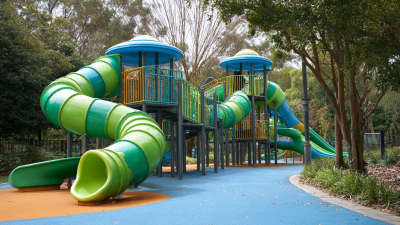
Plastic is often seen in modern playgrounds. It is lightweight and offers vibrant colors. However, not all plastics are created equal; some can degrade quickly under UV rays. Additionally, some surfaces can become slippery when wet, potentially leading to accidents. These factors must be considered by parents and caretakers.
Surfaces other than equipment also matter. Rubber mats and engineered wood fiber can cushion falls, reducing injury risks. It's essential to regularly inspect these materials for wear and tear. A well-maintained playground ensures a safe environment for children to explore. Evaluating all material choices is key to fostering fun while prioritizing safety.
Evaluating Accessibility in Playground Systems for Children with Disabilities
When designing playground systems, accessibility is crucial for children with disabilities. According to the 2020 report by the Centers for Disease Control and Prevention (CDC), about 1 in 6 children have a developmental disability. This highlights the need for inclusive play environments.
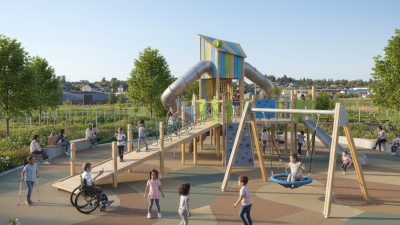
Playground equipment must comply with guidelines from the Americans with Disabilities Act (ADA). Equipment should be reachable and usable by children in wheelchairs. Ground surfaces can also pose challenges. Many traditional playgrounds use wood chips or sand, which can be difficult for wheelchair users to navigate. Concrete or rubber surfacing is often recommended for easier access.
It’s essential to involve children in the design process. Their feedback can offer insights into potential barriers and improvements. While many playgrounds strive for inclusivity, they often fall short. A recent study showed that 30% of surveyed playgrounds still lack adequate accessible options. Ensuring all children can play together enriches their social experiences, creating lasting friendships and memories. Addressing these overlooked aspects can lead to truly inclusive play spaces.
Trends in Playground Design: Integrating Nature and Technology for Fun
Nature-inspired playground design is reshaping outdoor play. Integrating elements like trees, rocks, and water enhances the experience. Children connect with the environment while engaging in creative activities. This balance fosters excitement and curiosity, which are vital for development.
Using technology in playgrounds offers additional benefits. Interactive equipment can track activity levels and promote fitness. Augmented reality experiences can turn a regular swing set into an adventure. However, over-reliance on screens may diminish face-to-face interactions.
Tips for parents or designers include focusing on versatility. Look for versatile play equipment that supports various activities. Creating spaces that encourage exploration can make a playground more engaging. Always consider safety alongside innovation. A fun design should never compromise a child’s wellbeing.
Top 10 Playground Systems for Safe and Fun Outdoor Play
 +86-13901441113

 CONTACT NUMBER
 CONTACT NUMBER