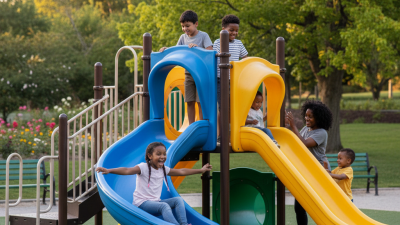
Top 10 Tips for Creating the Perfect Childrens Playpark Experience
Creating a vibrant and engaging Childrens Playpark is essential for promoting outdoor play and fostering creativity among young children. As parents and community planners increasingly recognize the importance of dedicated spaces for children to explore and interact, the role of well-designed playparks becomes even more critical. These play environments not only provide opportunities for physical activity but also stimulate social interactions and imaginative play, contributing to the overall development of children.
In this guide, we will explore the top 10 tips for creating the perfect Childrens Playpark experience. Each tip is designed to help you understand the key elements that make a playpark not just functional, but also a magical haven for children. From selecting safe, durable materials to ensuring inclusive designs that cater to children of all abilities, our recommendations will cover a range of considerations necessary for crafting a playpark that is not only enjoyable but also enriching for every child who visits. By implementing these tips, you can help create a play space that encourages exploration, discovery, and the joy of play.

Understanding the Importance of Playparks for Child Development
Playparks play a crucial role in the holistic development of children, serving as an essential environment where physical, social, and cognitive skills can flourish. These spaces provide a unique setting for kids to engage in unstructured play, which is vital for fostering creativity and imagination. As children navigate climbing structures, swings, and slides, they develop important motor skills and enhance their physical fitness. Moreover, this form of play encourages them to push their limits, build resilience, and understand their own capabilities.
Beyond physical benefits, playparks also serve as social hubs where children can interact with their peers. Through cooperative games and shared experiences, kids learn essential social skills such as communication, teamwork, and conflict resolution. These interactions lay the foundation for building friendships and understanding social dynamics, which are crucial for emotional intelligence. In addition, playparks often foster a sense of community, allowing children to feel connected to their surroundings and to each other, further enriching their developmental journey.
Top 10 Tips for Creating the Perfect Children's Playpark Experience
This bar chart illustrates the significance of various factors in enhancing children's playpark experiences, highlighting their contributions to child development.
Key Elements in Designing a Safe and Engaging Playpark Environment
Creating a safe and engaging playpark environment for children is crucial for their physical, social, and emotional development. According to the Centers for Disease Control and Prevention (CDC), active play helps children build strong bones, muscles, and promotes healthy growth. In light of these benefits, incorporating safety features is essential. A report by the National Program for Playground Safety emphasizes that over 200,000 children are treated in emergency rooms for playground-related injuries each year in the United States. Thus, it is essential to use age-appropriate equipment and to install safety surfacing, such as rubber mats or mulch, to cushion falls and minimize injury risks.
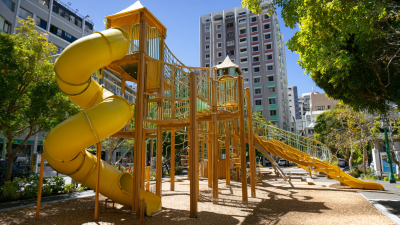
In addition to safety considerations, an engaging playpark fosters creativity and social interaction among children. The American Academy of Pediatrics highlights that unstructured play is vital for developing problem-solving skills and interpersonal relationships. Designing varied play areas that include climbing structures, interactive features, and quiet zones allows children of different ages and abilities to explore and interact. Furthermore, integrating natural elements, such as trees and gardens, promotes imaginative play and enhances sensory experiences. By prioritizing both safety and engagement, we can create a playpark environment that not only protects children but also nurtures their overall development.
Incorporating Age-Appropriate Equipment and Activities
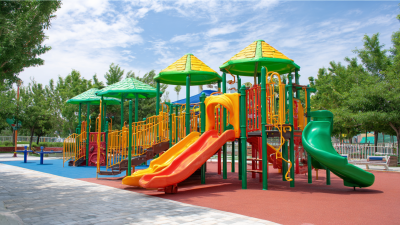
Creating the perfect children's playpark experience hinges on selecting age-appropriate equipment and activities that cater to the diverse needs of young children. One essential tip is to assess the age range of the children who will frequent the park. Designate areas with specific equipment tailored for toddlers, preschoolers, and older kids. For instance, soft play structures with rounded edges and low climbing surfaces are ideal for younger children, while challenging climbing walls and slides can entertain older kids.
Incorporating interactive and imaginative play opportunities is also vital. Encourage creativity by installing features such as sandboxes, water play areas, and themed play structures that allow children to role-play and explore. Additionally, having sensory-rich equipment, such as musical instruments or tactile panels, can greatly enhance the play experience for younger children, helping them develop motor skills in a fun way.
Lastly, ensure that the activities offered can accommodate mixed-age groups. Incorporating inclusive designs, like swings with harnesses or accessible sensory zones, fosters an environment where all children can play together. Prioritizing safety with age-appropriate choices while also promoting social interactions will create a well-rounded playpark experience that enriches the lives of children and their families.
Creating Inclusive Spaces for Children of All Abilities
Creating an inclusive playpark experience is essential for fostering a sense of belonging among children of all abilities. When designing play spaces, it is crucial to incorporate features that cater to diverse needs, ensuring that every child can engage and play alongside their peers. This can be achieved by providing equipment that is accessible to children with mobility challenges, such as ramps, wider swings, and sensory-rich elements that stimulate various senses. By creating pathways that are smooth and obstacle-free, even children with wheelchairs or other mobility aids can navigate the space comfortably.
Additionally, incorporating sensory play areas can greatly enhance the playpark experience for children with autism and sensory processing disorders. Elements like textured walls, water features, and sound zones allow children to explore and interact in ways that suit their individual needs. It’s not only about physical accessibility; emotional and social inclusivity is equally important. Designing spaces where children can gather, share experiences, and help each other fosters an environment of camaraderie and teamwork. By prioritizing inclusivity in the design of children’s playparks, we empower all children to learn, grow, and have fun together, breaking down barriers and promoting empathy from a young age.
Top 10 Tips for Creating the Perfect Childrens Playpark Experience - Creating Inclusive Spaces for Children of All Abilities
| Tip Number |
Tip Description |
Benefits |
| 1 |
Incorporate Various Play Structures |
Encourages physical activity and creativity |
| 2 |
Install Sensory Play Areas |
Stimulates senses and supports children with sensory processing issues |
| 3 |
Ensure Accessibility |
Allows children with mobility challenges to play independently |
| 4 |
Offer Adaptive Equipment |
Provides equal play opportunities for all abilities |
| 5 |
Include Natural Elements |
Enhances creativity and promotes exploration |
| 6 |
Create Quiet Zones |
Offers a retreat for children who may feel overwhelmed |
| 7 |
Encourage Social Interaction |
Promotes friendships and teamwork among children |
| 8 |
Design for Multi-age Use |
Encourages family play and engagement |
| 9 |
Use Vibrant Colors |
Attracts children's attention and stimulates play |
| 10 |
Incorporate Community Input |
Ensures the play park meets the needs and desires of local families |
Essential Features to Enhance Social Interaction and Learning
Creating the perfect children's playpark experience requires careful consideration of features that enhance social interaction and learning. According to a study by the National Recreation and Park Association, children who play in well-designed parks show improved social skills and cognitive development. Incorporating elements such as interactive play structures, sensory gardens, and open spaces encourages children to explore collaboratively, fostering communication and teamwork.
Tip 1: Design multipurpose play zones that cater to kids of various age groups. This approach not only maximizes the park's utility but also promotes peer-to-peer learning. For instance, older children can engage younger ones in games, enhancing leadership skills and reinforcing social bonds.
Tip 2: Include educational elements like climbing walls featuring letters and numbers or storytelling corners. Research from the American Academy of Pediatrics indicates that play promotes learning through exploration and creativity. These features spark curiosity and provide opportunities for children to engage with their environment while nurturing their developmental milestones.
By integrating these essential features, playparks can transform into vibrant spaces where children not only enjoy themselves but also build vital social connections and learning experiences that set the foundation for their future growth.
 +86-13901441113

 CONTACT NUMBER
 CONTACT NUMBER