Leave Your Message

10 Best Unique Outdoor Playsets for Schools and Parks

A school playground is not just a collection of bright equipment. It is where children test balance, negotiate turns, invent games, and return to class with dusty shoes. The right Unique Outdoor Playsets can make that daily experience richer while serving many ages and abilities. Yet an imaginative design still needs careful planning. Space, surfacing, visibility, shade, and maintenance all shape how well a play area works.

Dr. Stuart Brown, psychiatrist and founder of the National Institute for Play, has said, “The opposite of play is not work—it’s depression.” His observation offers a useful lens for choosing equipment: play deserves thoughtful space, not leftover corners. This guide explores ten distinctive options for schools and parks, from climbing structures to sensory-rich play features. It considers how each may encourage movement, cooperation, and open-ended play, while noting practical questions about supervision, durability, and access. Small details matter. A low transfer platform or a shaded bench can change who feels welcome. No single set fits every site, and a striking feature can become underused if it ignores local needs. Real use is messy. The strongest choices balance visual appeal with safe installation, routine inspection, and room for children to make the play their own.
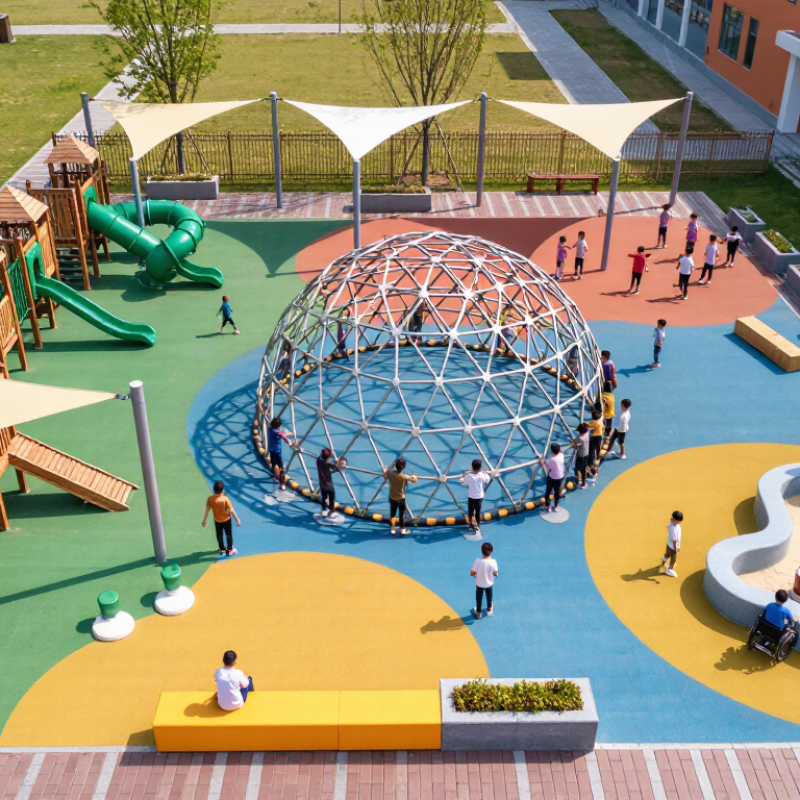
10 Best Unique Outdoor Playsets for Schools and Parks

What Makes an Outdoor Playset Unique

A unique outdoor playset does more than add an unusual shape to a schoolyard or park. It gives children different ways to move, imagine, and play together. A curved climbing wall, low balance beam, and shaded reading nook can turn one structure into several small adventures. Variety matters.

Good design also considers who will use the space. Toddlers need reachable handholds and gentle challenges, while older children may enjoy rope climbs or taller platforms. Clear sightlines help adults supervise without standing in the middle of play. Accessible paths and ground-level activities can make the area more welcoming to children with different abilities.

Materials and layout shape the experience, too. Smooth, durable surfaces are easier to inspect, while appropriate impact-absorbing surfacing can soften falls. Still, a striking design is not automatically a better one. A crowded layout may cause bottlenecks, and an imaginative feature may be confusing without clear entry and exit points. That deserves a second look. Before choosing a playset, observe how children actually move through the space, then consider whether the equipment fits their ages, routines, and available area.

10 Best Unique Outdoor Playsets for Schools and Parks – What Makes an Outdoor Playset Unique

Playset type What makes it unique Typical age group Play opportunities Planning consideration
Nature-inspired playset Uses forms such as logs, leaves, rocks, or tree shapes to connect play with the natural setting. Depends on the equipment; commonly designed for ages 2–5 or 5–12. Climbing, balancing, imaginative play, and exploration. Choose durable, maintained materials and keep required fall zones clear.
Inclusive ramp-access playset A ramp can connect accessible routes to selected elevated play activities. Varies by layout; age ranges are set for each structure. Shared play, social interaction, and access to ground-level or elevated activities. Check route width, slope, turning space, surfacing, and local accessibility requirements.
Sensory playset Combines tactile, visual, or sound-making play features, often at reachable heights. Often suitable across a broad age range when features are offered at different heights. Exploration, cause-and-effect play, and cooperative interaction. Use robust components and consider noise levels and supervision sightlines.
Musical play structure Adds outdoor instruments or sound panels to a conventional play area. Usually adaptable for multiple ages, depending on instrument placement. Sound exploration, rhythm, turn-taking, and group play. Consider nearby classrooms or homes, weather exposure, and maintenance access.
Climbing-net playset Flexible rope or net elements create varied routes and climbing challenges. Often intended for school-age children; follow the equipment's stated age range. Climbing, coordination, route-finding, and physical challenge. Provide appropriate impact-attenuating surfacing and inspect ropes and connections regularly.
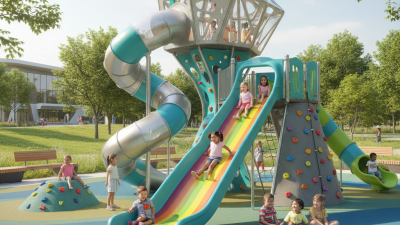
Tower-and-slide playset Pairs an elevated platform with a slide; some designs include more than one route to the platform. Available for different age groups; select the design for its intended users. Climbing, sliding, and imaginative play. Plan for slide exit clearance, platform access, and unobstructed use zones.
Multi-level adventure playset Connects several play components at different heights into a continuous route. Typically designed for a specified age group; check the layout's age recommendation. Climbing, balancing, sliding, and imaginative group play. Allow sufficient space for the complete use zone and clear supervision views.
Ground-level discovery playset Focuses on activities such as panels, pretend-play elements, and low balance features rather than tall platforms. Can serve younger children and mixed-age areas when designed for those users. Pretend play, interaction, and exploration at ground level. Keep accessible routes connected to the play features and choose suitable surfacing.
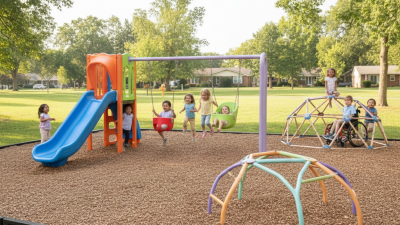
Balance-and-motion playset Combines low balance elements with moving or rocking components for varied movement experiences. Depends on element height and challenge level; use the stated age range. Balance, coordination, movement, and taking turns. Separate moving equipment from through-routes and check its use zone and surfacing needs.
Compact modular playset Uses connected modules to combine selected activities within a more limited footprint. Available for different age groups, depending on the selected modules. A mix of climbing, sliding, and interactive play in one structure. Confirm that the full required use zone fits; equipment footprint alone is not the total space needed.

Note: Age groups and space requirements vary by design. Confirm the equipment's intended age range, installation instructions, use zones, surfacing requirements, and applicable local playground-safety standards before purchase or installation.
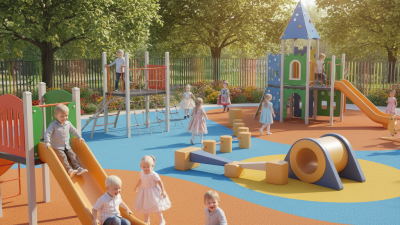
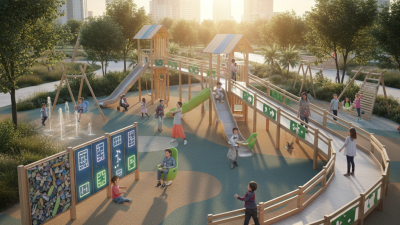
How Schools and Parks Can Choose the Right Playset

Choosing a playset starts with the children who will use it, not the tallest tower in a catalogue. Record age groups, daily attendance, mobility needs, and available space. The U.S. Consumer Product Safety Commission’s Public Playground Safety Handbook reports that more than 200,000 children receive emergency-room treatment for playground-related injuries each year. The figure makes fall protection and careful layout practical priorities, not optional extras. Ask suppliers for equipment fall-height details, then match protective surfacing to those heights and check the required clear zones.

Look beyond the main climbing structure. A balanced site might pair low platforms, transfer-friendly access, swings, and quieter ground-level activities, with routes wide enough for mobility devices. The U.S. Access Board’s accessible design standards offer useful measurements for routes and play components; use them during planning, not after installation. Check drainage, shade, sightlines, and how staff can supervise several play areas at once. That sounds basic. It is easy to miss. A small site visit during busy hours can reveal bottlenecks that a drawing hides. Leave room for maintenance access, too, and ask who will inspect bolts, surfacing depth, and worn connections. A playset may look durable on opening day; real use is less tidy.

Ten Distinctive Outdoor Playset Designs for Shared Spaces

Distinctive outdoor playsets give schools and parks more than a place to climb. A looped climbing frame can invite children to choose different routes, while low platforms help younger visitors build confidence at their own pace. Small details matter. Handholds that suit smaller hands, clear sightlines for adults, and shaded seating nearby make the space easier to use throughout the day.

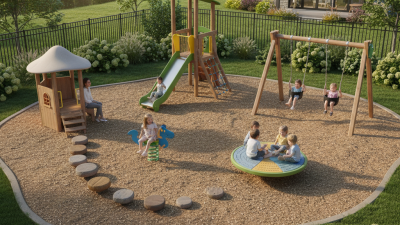
A nature-inspired design might combine timber-look posts, stepping logs, and a small balance bridge. Nearby, tactile panels and musical elements offer quieter ways to play. An accessible route should connect key activities, not stop at the entrance. That takes planning. Designers need to consider turning space, surface changes, and how children move between features. A crowded layout may look impressive in a drawing but feel difficult to navigate when several groups arrive together.

Shared spaces also benefit from varied challenge. A compact tower, ground-level game panels, and a gentle climbing net can serve different ages without separating children completely. Still, more equipment is not always better. I would question any plan that leaves little room for running or informal play. Site conditions matter too: drainage, shade, maintenance access, and suitable impact-absorbing surfacing should shape the design from the start. A slightly uneven path or poorly placed bench can disrupt an otherwise thoughtful play area.

10 Distinctive Outdoor Playset Designs for Shared Spaces

Inclusive playground planning benchmarks for schools and parks

Dimensions are shown in inches. Benchmarks draw on the 2010 ADA Standards and the U.S. Consumer Product Safety Commission’s Public Playground Safety Handbook. The swing use-zone figure is calculated for a 72-inch pivot height using the handbook’s twice-the-pivot-height guideline. These references support planning and do not replace site-specific design or current local requirements.

Safety, Accessibility, and Age-Appropriate Play

A school or park playset should invite movement without making access an afterthought. The CDC reports that more than 200,000 U.S. children aged 14 and younger receive emergency-department treatment for playground-related injuries each year. That figure makes fall zones, impact-absorbing surfacing, and regular inspections practical priorities. The Consumer Product Safety Commission’s Public Playground Safety Handbook recommends age-appropriate equipment and protective surfacing. Toddlers need lower platforms and reachable handholds; older children may enjoy climbing nets and bigger movement challenges. Keep routes clear for mobility devices and include ground-level play options, as outlined in U.S. Access Board guidance.

Tips: Match equipment to the youngest regular users, check surfacing against the equipment’s fall height, and inspect loose fasteners after storms. Add a quiet corner near active play. Small details matter.

An inclusive layout gives children choices: a ramped approach, transfer points, sensory panels, and space for caregivers beside the structure. Accessibility guidance can inform the design, but compliance alone does not guarantee a welcoming experience. Watch how children use the site. A ramp may lead nowhere useful if the activity remains out of reach. Some trade-offs remain. Shade, visibility, and ambitious climbing features can compete for limited space, so revisit the layout after observing a busy afternoon.

Installation and Maintenance for Long-Term Use

A distinctive playset only stays inviting when its installation suits the site. Before assembly, check soil stability, drainage, underground utilities, and the manufacturer’s fall-height requirements. A low corner that holds rain can soften ground beneath a footing. It can also leave wood chips compacted and muddy. Small details matter.

The U.S. Consumer Product Safety Commission’s Public Playground Safety Handbook stresses secure equipment, adequate use zones, and impact-attenuating surfacing. Treat these as practical design checks, not paperwork. Set posts to the specified depth, verify every connection, and keep swings clear of nearby paths. The Centers for Disease Control and Prevention has reported more than 200,000 annual emergency-department visits for playground-related injuries among children. That figure makes surfacing inspections hard to dismiss. Still, no surface removes every risk.

After opening, use a written inspection schedule. Look for loose bolts, cracked plastic, splinters, standing water, and displaced surfacing; check high-use areas beneath swings more often. Record repairs and dates, even when the repair seems minor. ASTM International’s playground-equipment and impact-surfacing standards offer useful technical references for inspection planning. Seasonal checks help catch frost movement and sun damage. Honestly, maintenance plans can look neat on paper and slip during busy weeks. Assigning a named staff member helps, but a simple log works only when someone actually updates it.