Best Playground Equipment Trends for 2026 What to Look For?
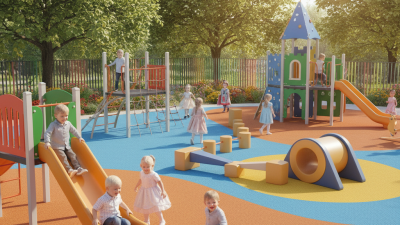
As we approach 2026, the landscape of playground equipment is evolving rapidly. Recent industry reports, such as the 2022 Global Playground Trends Analysis, indicate a growing emphasis on inclusive design. Approximately 25% of new playground equipment now caters to children of all abilities. This shift highlights a commitment to creating spaces where every child can play together, fostering social interaction and developmental growth.
The rise of sustainable materials in playground equipment is another notable trend. According to the American Society of Landscape Architects, 40% of playground installations now feature eco-friendly elements. Parents are increasingly seeking out equipment that minimizes environmental impact while ensuring safety and durability. The integration of technology also cannot be ignored, with interactive and educational features becoming more common in playground designs.
While these trends provide exciting opportunities, challenges remain. Manufacturers must ensure that innovation does not compromise safety standards. Addressing both aesthetic appeal and function requires careful planning and design considerations. As we approach the future, staying informed on these trends will be crucial for stakeholders in the playground equipment industry.
Emerging Technologies in Playground Equipment for 2026
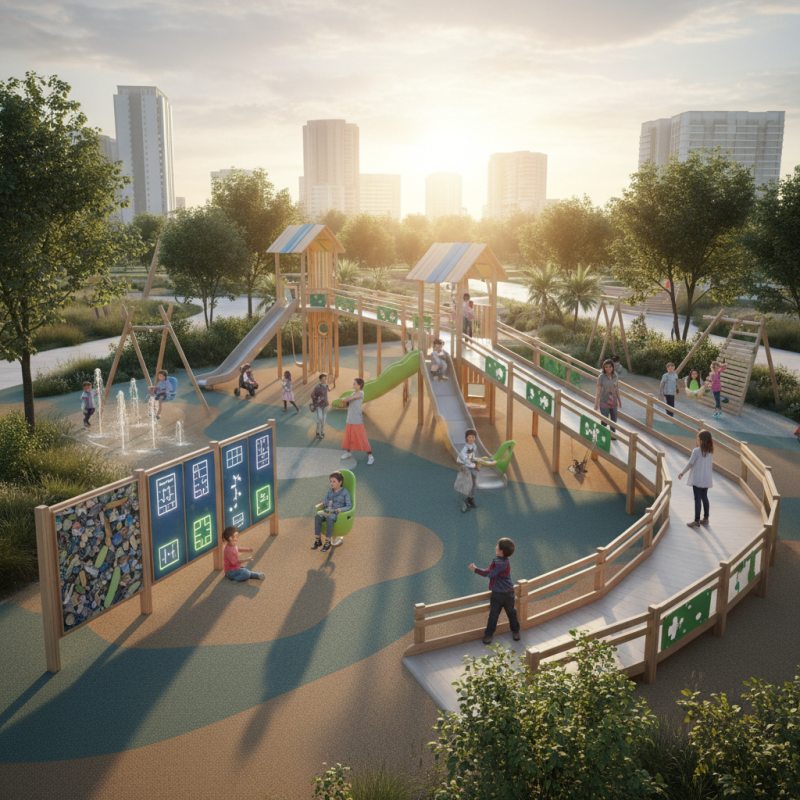
As we look ahead to 2026, playground equipment is evolving to meet new needs. Emerging technologies are becoming integral to these spaces, enhancing safety and experience. Smart sensors may soon monitor the condition of equipment. They could also track usage patterns, helping improve maintenance schedules. This innovation could significantly reduce accidents.
Interactive elements are gaining traction as well. Playgrounds might soon feature augmented reality (AR) experiences. Imagine children using AR to learn about nature while they play. However, integrating technology can pose challenges. Not every location has the infrastructure for high-tech installations. Additionally, ensuring all children can access these features equally is essential.
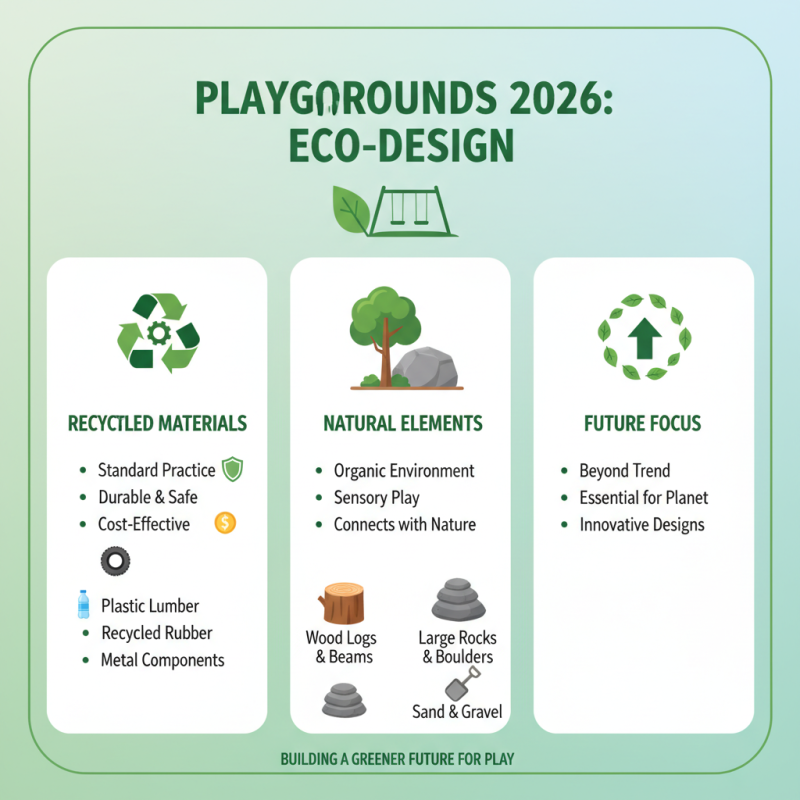
Sustainability remains a crucial factor. Eco-friendly materials will likely dominate the design of new equipment. Recyclable and durable options are more in demand than ever. However, the balance between innovation and environmental impact needs careful consideration. It's not just about what is trendy; it’s about creating safe, inclusive, and sustainable spaces for future generations.
Best Playground Equipment Trends for 2026
This bar chart illustrates the emerging trends in playground equipment for 2026 based on predicted popularity percentages. The data indicates a growing interest in sustainable materials and smart technologies, highlighting the shift towards more innovative and eco-friendly playground designs.
Innovative Materials and Designs for Enhanced Safety and Durability
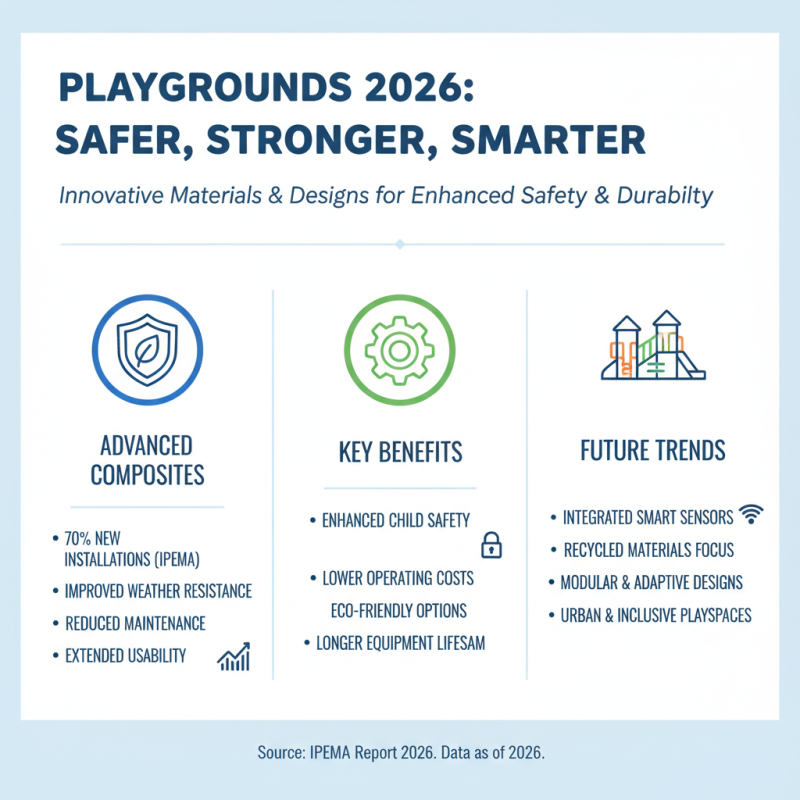
As we look towards 2026, the playground equipment industry is rapidly evolving. One significant trend is the adoption of innovative materials that enhance safety and durability. According to a report by the International Playground Equipment Manufacturers Association (IPEMA), over 70% of new installations now feature advanced composites. These materials provide improved weather resistance, reducing maintenance costs while ensuring long-term usability.
Additionally, the design of playground equipment is shifting. Many designs now incorporate features that encourage inclusive play. This approach not only fosters physical activity but also promotes social interaction among children of all abilities. Recent findings show that play spaces designed with ADA (Americans with Disabilities Act) guidelines in mind can increase participation rates by up to 35%. Yet, industry experts highlight that some facilities overlook these crucial design aspects, leading to gaps in accessibility.
Sustainability is also a crucial factor. A growing number of manufacturers are using recycled materials, aligning with environmental goals. However, the challenge remains in balancing cost and quality. Some recycled materials may not meet durability standards, leading to potential safety risks. As innovation continues, addressing these issues will be vital for creating safe, durable, and engaging playgrounds for future generations.
Inclusive Play Equipment Trends: Catering to All Abilities
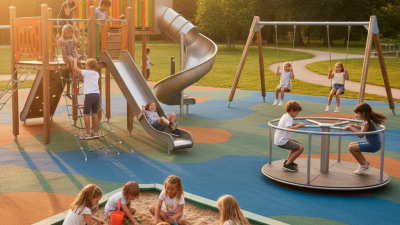
The landscape of inclusive play equipment is evolving rapidly. As we look ahead to 2026, more playgrounds will prioritize accessibility for all children. The goal is to create environments that not only welcome diverse abilities but also foster social interaction. For instance, sensory play panels and tactile pathways cater to children with sensory processing disorders. This inclusivity is vital for developing empathy and understanding among peers.
Swing sets with adaptive designs are rising in popularity. These swings allow children with mobility challenges to experience the joy of swinging, side by side with their friends. However, many playground designs still overlook some crucial aspects. A lack of adequate transitional spaces can hinder smooth navigation for kids using mobility aids. It's essential to build spaces that encourage exploration. Simple elements, like ramps or raised surfaces, can make a big difference in a child's experience.
While trends shift towards inclusivity, there's room for improvement. Engaging families in the design process can reveal hidden needs. Conversations about what truly makes a space inclusive will enrich the community. The vision for 2026 should inspire more than just equipment; it should inspire a collective mindset that celebrates and embraces diversity in play.
Best Playground Equipment Trends for 2026
| Trend |
Description |
Key Features |
Target Age Group |
| Inclusive Play Structures |
Equipment designed to accommodate all abilities, ensuring everyone can play together. |
Wheelchair access, sensory experiences, multiple entry points. |
2-12 years |
| Natural Play Elements |
Incorporating natural materials and landscapes into playground designs. |
Logs, boulders, water features, climbing features. |
3-15 years |
| Digital Play Experiences |
Integration of technology for interactive play, promoting engagement and learning. |
Augmented reality games, touchscreens, interactive panels. |
5-12 years |
| Community-Inspired Designs |
Playground equipment reflecting local culture and community identity. |
Thematic elements, collaborative input from community, local artistry. |
All ages |
| Sustainable Materials |
Using eco-friendly materials and practices in playground construction. |
Recycled materials, minimal carbon footprint initiatives. |
3-12 years |
Community Engagement in Playground Development and Trends
Community engagement in playground development is becoming essential as designers seek input from families and local organizations.
A recent report highlighted that communities with active participation during the planning phase see a 43% increase in playground usage.
This involvement ensures that the equipment selected meets the specific needs and desires of the children who will use it.
When community members voice their opinions, the final design often reflects diverse needs and interests.
Safety and accessibility are trending areas of focus. Reports show that 73% of parents prioritize equipment that accommodates children with disabilities.
As a result, playgrounds are increasingly incorporating adaptive features. Engaging community members allows for discussions on these important aspects.
However, not all feedback can be implemented, leading to challenges in planning. Balancing safety, fun, and necessary features while adhering to budgets can be difficult.
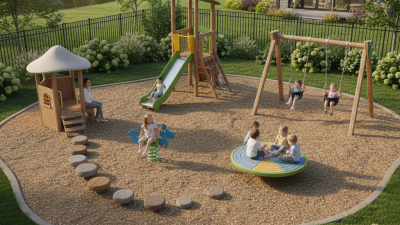
Furthermore, incorporating natural elements into playgrounds is gaining traction. Research indicates that children prefer natural play spaces, leading to enhanced creative play.
Involving the community in choosing these elements can create unique and cherished spaces. Still, aligning visions and managing expectations can lead to tension.
Employers of designers should consider this when collaborating with communities, ensuring that everyone's voice is heard.
 +86-13901441113

 CONTACT NUMBER
 CONTACT NUMBER