What is Playground Equipment and Why is it Essential for Child Development
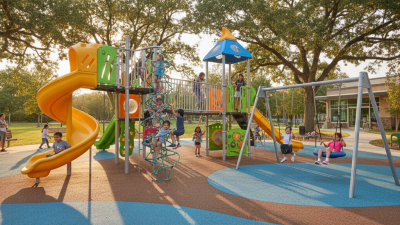
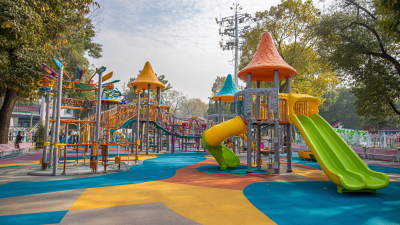
Playground Equipment plays a crucial role in the physical, social, and emotional development of children. Designed to foster active play, these structures provide opportunities for children to engage in various activities that enhance their motor skills and coordination. As children climb, swing, and slide, they not only experience the joy of play but also develop important life skills such as problem-solving, teamwork, and resilience.
Moreover, the importance of Playground Equipment extends beyond mere fun; it serves as an essential tool for learning and growth. By exploring different play features, children learn to navigate risks and challenges, which is vital for building confidence and independence. Creative play environments encourage imagination and social interactions, allowing children to form friendships and develop their interpersonal skills.
In summary, Playground Equipment is not only about enjoyment; it is a fundamental aspect of child development that promotes healthy growth and learning. Providing access to well-designed play spaces is essential for fostering the holistic development of children in our communities.
Definition of Playground Equipment and Its Types
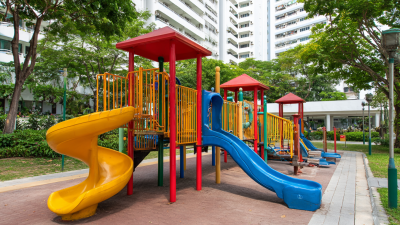
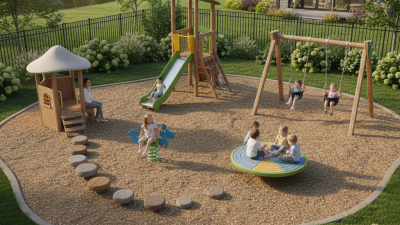
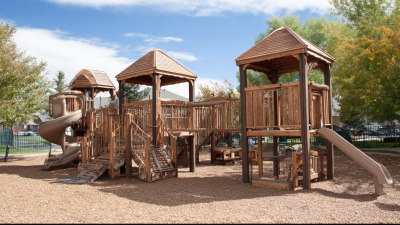
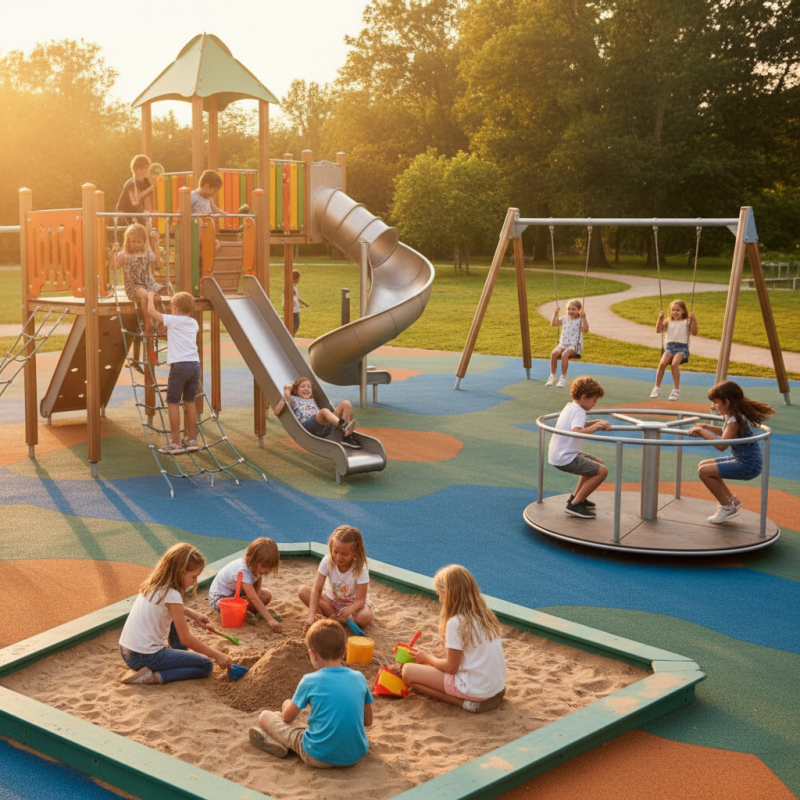
Playground equipment refers to structures and devices designed for children's play, promoting physical, social, and cognitive development. This equipment is crucial in creating engaging environments where children can explore, interact, and develop essential skills through their play experiences. Common types include swings, slides, climbing structures, and activity panels, each serving a unique purpose in supporting various aspects of growth and learning.
Swings and slides, for example, enhance physical coordination and balance as children navigate the movements required for climbing and descending. Climbing structures, such as jungle gyms, foster strength and flexibility while encouraging risk-taking in a safe environment. Activity panels, often featuring games or educational elements, stimulate cognitive development and social interaction among children. By providing diverse types of playground equipment, caregivers can ensure that children are engaged in varied activities that not only entertain but also significantly contribute to their overall development.
Importance of Playground Equipment in Child Development
Importance of Play in Child Development
Play is a fundamental aspect of child development that extends far beyond mere entertainment. Engaging in play allows children to explore their environment, develop social skills, and enhance their cognitive abilities. Through unstructured play, children learn problem-solving skills as they navigate challenges and experiment with different strategies. This hands-on experience is vital for fostering creativity and critical thinking, as they learn to adapt to new situations and think outside the box.
Moreover, play is crucial for emotional development. It provides a safe space for children to express their feelings, interact with peers, and build relationships. During play, children often role-play scenarios that mirror real-life situations, helping them understand empathy and cooperation. This social interaction is essential for developing communication skills and building a sense of belonging, as they learn to negotiate, share, and resolve conflicts with others. Thus, the importance of play in child development is undeniable, contributing to a well-rounded and healthy upbringing.
Physical Benefits of Playground Equipment for Children
Playground equipment serves as a vital tool for children's physical development, promoting active play and encouraging movement in various forms. Features such as climbing structures, swings, and slides challenge children's motor skills, helping to build strength, coordination, and balance. Climbing walls and monkey bars, for instance, require children to engage multiple muscle groups, enhancing their physical fitness while fostering a sense of accomplishment as they conquer new heights and navigate their surroundings.
Moreover, engaging with playground equipment encourages cardiovascular health. Activities like running, jumping, and swinging elevate heart rates, which is essential for overall fitness and endurance. Additionally, these playful experiences contribute to healthy bone development and physical resilience, allowing children to explore their limits in a safe environment. By integrating play with physical exercise, playground equipment significantly supports a child's growth, instilling habits of active living that can last a lifetime.
What is Playground Equipment and Why is it Essential for Child Development - Physical Benefits of Playground Equipment for Children
| Equipment Type |
Physical Benefits |
Recommended Age Group |
Safety Features |
| Slides |
Enhances balance and coordination |
2-12 years |
Smooth edges, secure handrails |
| Merry-Go-Rounds |
Improves upper body strength |
5-12 years |
Low height, no sharp corners |
| Swings |
Develops core strength and coordination |
2-10 years |
Seat belts, soft landing surfaces |
| Climbing Frames |
Enhances muscle strength and agility |
3-12 years |
Sturdy materials, safety nets |
| Balance Beams |
Improves balance and concentration |
4-10 years |
Non-slip surface, low height |
Cognitive and Social Skills Developed Through Play
Playground equipment serves as a vital resource for fostering cognitive and social skills in children. When children engage in interactive play on swings, slides, and climbing structures, they not only experience physical challenges but also develop critical thinking and problem-solving abilities. For instance, attempting to navigate a climbing frame encourages children to assess risks and devise strategies for overcoming obstacles. This kind of play stimulates their imagination and cognitive flexibility, which are essential components of intellectual growth.
Social interaction is another significant aspect of play that is cultivated through the use of playground equipment. As children play together, they learn to communicate, negotiate, and collaborate with their peers. These experiences are crucial for developing empathy and understanding different perspectives. For example, taking turns on a slide or working as a team to build a structure promotes cooperation and fosters friendships. Such social skills are foundational for future success in academic and personal relationships.
Tips: Encourage open-ended play by providing a variety of equipment. Observing children as they invent games or roles on the playground can offer insights into their cognitive and social development. Additionally, participating in their play can enhance these experiences, demonstrating the importance of adult involvement in fostering a supportive environment for growth.
Safety Standards and Maintenance of Playground Equipment
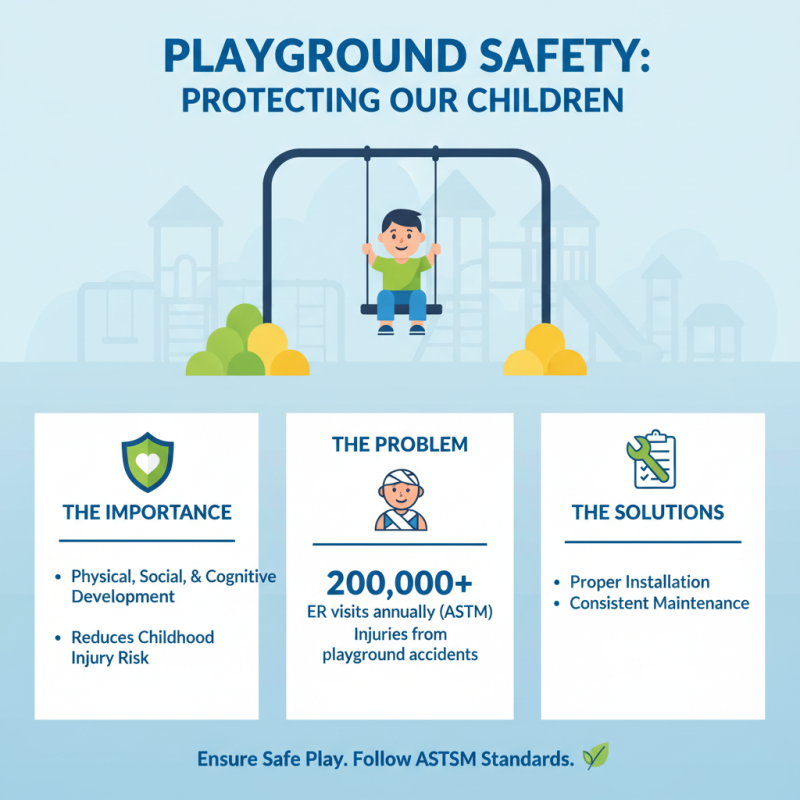
Playground equipment serves as a vital component in promoting physical, social, and cognitive development among children. However, the emphasis on safety standards and the maintenance of this equipment cannot be overstated. According to the American Society for Testing and Materials (ASTM), approximately 200,000 children receive treatment in emergency rooms each year due to injuries sustained on playgrounds, underscoring the critical need for adhering to safety guidelines. Proper installation and consistent maintenance are essential to ensure that playground equipment meets these standards and mitigates risks.
The U.S. Consumer Product Safety Commission (CPSC) provides comprehensive guidelines to assist manufacturers and facility operators in maintaining safe playground environments. Regular inspections and preventive maintenance, such as checking for loose parts, wear and tear, and ensuring appropriate surfacing materials, are key factors in sustaining not only safety but also the longevity of the equipment. Research indicates that well-maintained playgrounds can reduce injury rates significantly; for instance, a study by the National Program for Playground Safety revealed that compliant equipment reduced the likelihood of serious injuries by nearly 40%. This highlights the necessity for ongoing vigilance and investment in playground safety to foster a secure environment for children to explore and grow.
 +86-13901441113

 CONTACT NUMBER
 CONTACT NUMBER