+86-13901441113


When it comes to creating a vibrant and engaging outdoor environment for children, selecting the right Playground Systems is essential. These structures not only provide numerous opportunities for fun and physical activity but also play a vital role in ensuring safety during play. With the increasing awareness of the importance of safe play areas, many playground systems are designed with innovative materials and safety features that cater to children of all ages and abilities.
In this article, we will explore the top 10 playground systems that prioritize safety while enhancing the joy of outdoor play. Each of these systems incorporates elements that encourage healthy interaction, imaginative play, and physical development. From climbing structures to swings and slides, these systems are crafted to withstand the rigors of active play while promoting a secure environment.
By investing in high-quality playground systems, schools, parks, and communities can create inviting recreational spaces that empower children to explore, socialize, and thrive. Join us as we delve into the standout options that not only meet safety standards but also inspire creativity and active engagement among young adventurers.
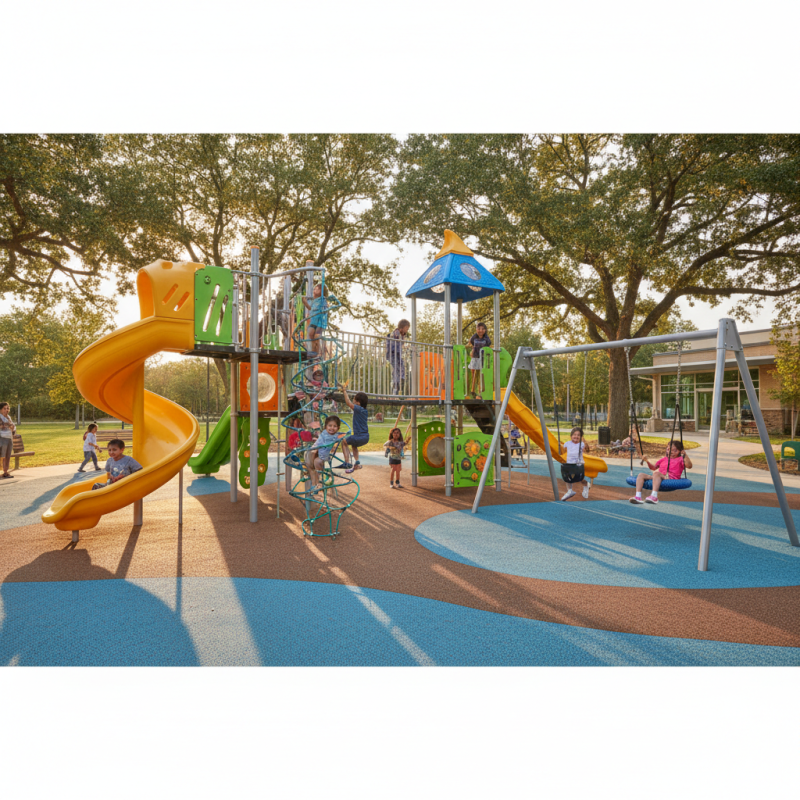
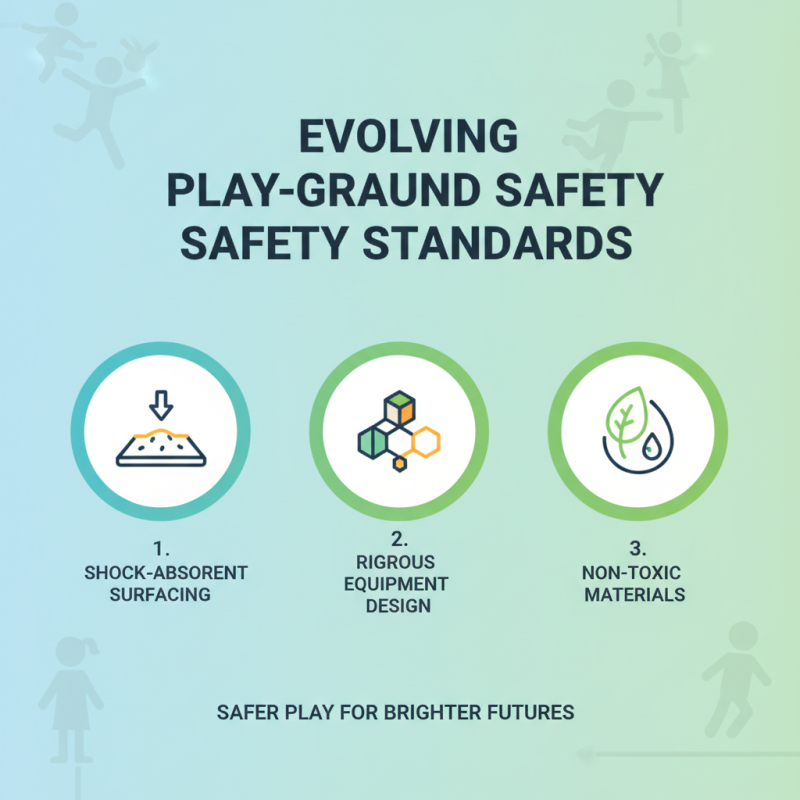
In recent years, there has been a significant shift in playground safety standards and regulations, largely influenced by the growing awareness of children’s safety during outdoor play. Organizations dedicated to child safety are continuously updating their guidelines to ensure that playgrounds are constructed with the latest safety measures in mind. This includes the addition of shock-absorbent materials under play structures, more stringent design specifications for equipment, and the use of non-toxic materials to minimize risks associated with injuries.
Moreover, there has been an increased emphasis on inclusive playground designs that cater to children of all abilities. This trend not only aligns with safety standards but also promotes a more welcoming environment for all children, allowing them to engage in playful activities with their peers. New regulations often focus on ensuring that playgrounds are accessible, incorporating features such as ramps and sensory play elements, which help create a safe and enjoyable experience for every child. As communities strive to create safe outdoor spaces, adhering to the most current playground safety standards becomes imperative for fostering a healthy and active play culture.
When designing modern playground systems, child safety remains the paramount concern. Essential features include shock-absorbing surfaces that significantly reduce injury risks during falls. Materials like rubber mats or engineered wood fibers provide not only cushioning but also improve accessibility for children with disabilities. Ensuring proper spacing between structures allows for safe movement and reduces the likelihood of collisions, making the playground more enjoyable for every child.
Another critical aspect of safe playgrounds is the choice of equipment. Systems should incorporate age-appropriate elements that challenge children without compromising their safety. Features such as rounded edges, smooth surfaces, and securely anchored components help prevent accidents. Additionally, clear sightlines for caregivers enable constant supervision, which is vital in ensuring children's safety during play. Incorporating various physical activities promotes not only fun but also encourages physical development while adhering to safety standards.
The design of play equipment in outdoor playgrounds plays a crucial role in fostering children's development and learning. Thoughtfully constructed play systems encourage physical activity, which is essential for developing motor skills, coordination, and overall health. Equipment that offers a range of physical challenges, such as climbing structures, slides, and balance beams, not only promotes fitness but also enhances children's spatial awareness and risk assessment skills. As children navigate these structures, they learn to analyze their environments, evaluate potential dangers, and make decisions, which are vital cognitive skills.
Additionally, play equipment that supports imaginative play can significantly influence social and emotional development. Features like themed playhouses or interactive panels stimulate creativity, allowing children to engage in role-playing scenarios that enhance their social skills. Through cooperative play, children learn to communicate, share, and resolve conflicts, building essential social competencies. Furthermore, inclusive playground designs equipped with sensory elements cater to diverse abilities, ensuring that all children can explore and learn together. This integration of play equipment not only enriches the play experience but also contributes to a holistic development approach, supporting children’s emotional well-being and cognitive growth.
| Playground System | Age Range | Safety Features | Learning Benefits | Material Type |
|---|---|---|---|---|
| Adventure Zone | 2-5 years | Soft ground, rounded edges | Motor skills, social interaction | Recycled plastic |
| Explorer's Den | 5-12 years | Fall zones, netted climbing areas | Critical thinking, teamwork | Wood and metal |
| Nature's Paradise | 2-8 years | Natural material surfaces, shaded areas | Creativity, nature awareness | Natural wood, stone |
| Fitness Playground | 5-15 years | Cushioned floors, ergonomic design | Physical health, coordination | Durable metal |
| Creative Corner | 2-6 years | Non-toxic finishes, soft edges | Imagination, expressive skills | Composite materials |
| Civic Engagement Zone | 4-12 years | Accessible design, safety barriers | Community skills, inclusion | Steel and rubber |
| Water Play Zone | 3-10 years | Non-slip surfaces, shallow areas | Sensory development, teamwork | Recycled materials |
| Artistic Expression Area | 3-8 years | Safe art supplies, durable surfaces | Creativity, fine motor skills | Wood, plastic |
| Jungle Gym Adventure | 5-12 years | Safety nets, impact-absorbing flooring | Physical confidence, problem solving | Steel and synthetic materials |
| Inclusive Play Station | All ages | Accessible paths, sensory-friendly elements | Social skills, acceptance | Sustainable materials |
When considering playground systems, the durability of materials used is a paramount concern for ensuring safety and longevity. According to the International Playground Safety Institute, outdoor playground equipment is subjected to various environmental challenges, including UV radiation, moisture, and temperature fluctuations. High-density polyethylene (HDPE) and galvanized steel are often recommended for their resilience. HDPE, for example, is known for its fade resistance and impact strength, making it an ideal choice for slides and climbers in areas with high sun exposure.
A comprehensive study by the American Society for Testing and Materials (ASTM) highlights that metal components, when properly treated to resist corrosion, can last significantly longer than untreated alternatives. Reports indicate that playground equipment made from stainless steel has an average lifespan of over 15 years, even in coastal environments where rust and corrosion are prevalent. Furthermore, composite materials, which blend wood fibers with plastic, are becoming increasingly popular due to their resistance to both rot and splintering, ensuring that they remain safe for children’s use while requiring less maintenance over time.
Ultimately, the selection of materials reflects a commitment to safety and sustainability in playground design. As noted by the National Association of State Park Directors, well-maintained playgrounds made from durable materials not only protect children during play but also reduce the frequency and cost of repairs and replacements. These factors underscore the importance of investing in high-quality materials that prioritize both the safety of young users and the long-term integrity of the playground environment.
Playground injuries are a significant concern, with statistics showing that millions of children are treated for injuries related to playground equipment each year. Common injuries include fractures, concussions, and contusions, often resulting from falls due to insufficient safety measures or poorly maintained equipment. According to safety guidelines, many injuries can be prevented through the implementation of appropriate safety features in playground designs, such as soft landing surfaces, rounded edges, and secure structures that minimize the risk of accidents.
The importance of safety features cannot be overstated. Properly designed playgrounds not only reduce the likelihood of injuries but also promote healthier play experiences by allowing children to explore and take risks in a controlled environment. Features such as age-appropriate equipment, safety barriers, and clear visibility for supervising adults play a crucial role in children's safety.
Ensuring that playgrounds meet established safety standards is vital for protecting children and fostering safe, enjoyable outdoor play for everyone.