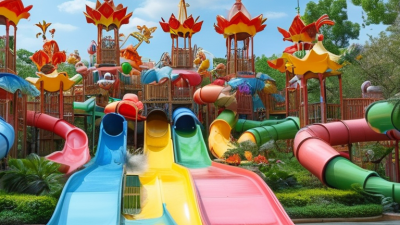
How to Choose the Best Park Playground Slide for Your Kids?
Selecting the perfect Park Playground Slide for your children is crucial for their outdoor play experience. Research shows that playground equipment, including slides, significantly impacts child development. According to the International Play Equipment Manufacturers Association (IPEMA), 72% of children feel more confident when they play in well-designed environments. Understanding the right slide can enhance physical activity, encourage social skills, and spark creativity.
Safety remains a priority in choosing a Park Playground Slide. The U.S. Consumer Product Safety Commission (CPSC) reported that 45% of playground injuries are due to falls. Thus, selecting a slide that meets safety standards is essential. Parents should consider the slide's materials, height, and design. Opting for a slide made from high-quality, non-toxic materials ensures durability and safety.
While there are various styles of slides available, not all may suit your child's needs. Reflect on your child's developmental stage and preferences when making this decision. Each child's experience on a slide can differ, highlighting the need for careful selection. A well-suited Park Playground Slide not only provides enjoyment but also fosters essential skills.
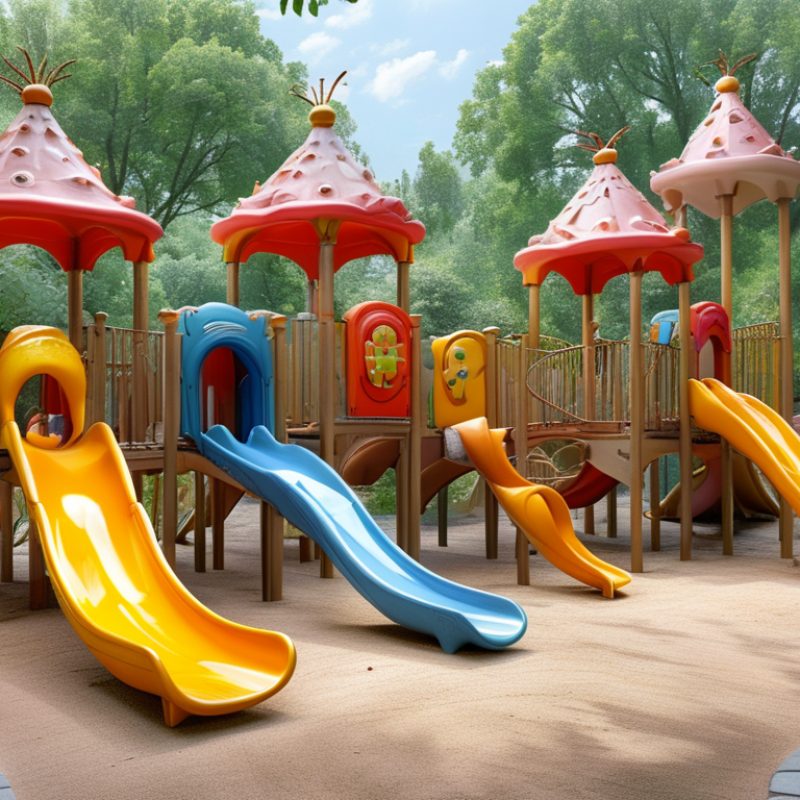
Understanding Different Types of Playground Slides for Kids
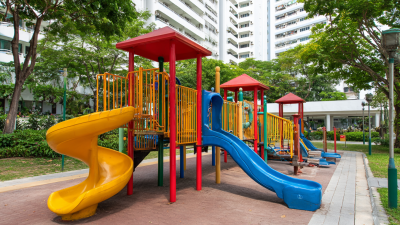
When choosing a playground slide, it's essential to understand the different types available. Slides generally fall into categories like straight, spiral, and tube slides. According to the American Society for Testing and Materials (ASTM), each type serves unique developmental and recreational needs for children of varying ages. For instance, straight slides offer simple descent, ideal for younger kids, while spiral slides provide excitement and complexity, fostering decision-making skills.
Data from the National Association of Landscape Professionals shows that 70% of children prefer slides that allow for speed and thrills. Tube slides often provide an enclosed experience, making them perfect for nurturing a child's sense of adventure. However, these slides may also pose challenges in terms of visibility for supervisors. A 2021 playground safety report indicated that 26% of slide-related injuries occur due to falls, emphasizing the need for safe design and careful supervision.
Parents should also consider materials. Metal slides can be hot in summer, while plastic slides often come in various colors and cooler surfaces. It's a delicate balance between aesthetics and safety. Being mindful of these factors can enhance playtime experiences. Moreover, many designs need thoughtful placement within playground areas. Without proper planning, overcrowding can lead to accidents, highlighting the importance of proper layout and design.
How to Choose the Best Park Playground Slide for Your Kids?
| Slide Type |
Height |
Material |
Age Group |
Safety Features |
| Straight Slide |
2-4 ft |
Plastic |
2-5 years |
Rounded edges, grip handles |
| Curved Slide |
4-6 ft |
Plastic |
3-7 years |
Side walls, non-slip surface |
| Tube Slide |
5-7 ft |
Plastic |
4-10 years |
Closed top, secure entry |
| Spiral Slide |
5-8 ft |
Metal/Plastic |
5-12 years |
High sides, sturdy structure |
| Multi-Lane Slide |
6-10 ft |
Plastic/Composite |
6-12 years |
Dividers, soft landings |
Factors to Consider When Choosing a Slide Size and Height
When selecting a park playground slide, size and height are essential. Tall slides can be thrilling but may not suit younger children. A slide that is too high can intimidate them. Ideally, the slide should match your child's age and ability. For toddlers, softer, shorter slides are better. They encourage play without overwhelming kids.
Consider the slide's width too. A wider slide offers more stability. Children feel safer and can slide down confidently. This aspect is crucial for group play, allowing more than one child to go at once. However, make sure the slide is not too wide, which might create safety concerns.
Don’t overlook special needs or varying physical abilities. Not every slide accommodates all children. It's important to observe how your kids use slides in the park. Notice their comfort level and preferences. Sometimes, a slide that seems perfect isn't always the best fit. Balancing excitement and safety is key in your decision-making process.
Materials Used in Playground Slides: Safety and Durability
When selecting a playground slide, materials play a crucial role in ensuring safety and durability. Many slides are made from plastic, metal, or composite materials. According to industry reports, high-density polyethylene (HDPE) is one of the most commonly used materials. It offers a good balance of strength and flexibility, making it less prone to cracking under pressure. However, it can heat up quickly in direct sunlight, which may pose a risk for young children.
Metal slides, often made from stainless steel or aluminum, offer longevity and resistance to wear. Yet, they can become extremely hot during the summer months. A study by the American Society for Testing and Materials found that metal surface temperatures can rise dangerously high, impacting child safety. Parents must consider these factors when choosing a slide, ensuring that the material retains a pleasant temperature for optimum play.
Composite materials are becoming more popular, combining the best of both plastic and metal. They tend to be lighter, more manageable, and provide a comfortable surface for children. Still, their long-term durability under various environmental conditions can be a concern. Some parents face challenges in finding the right balance between safety, durability, and aesthetics. Always consider the importance of safety certifications and maintenance requirements, as these aspects heavily influence the overall lifespan of playground equipment.
Evaluating Slide Design for Age Appropriateness and Safety Features
Selecting the right slide for park playgrounds requires close attention to design and safety. A report from the American Society for Testing and Materials highlights that approximately 75% of playground injuries are due to falls. This underscores the importance of slide height, material, and design in preventing accidents. For younger children, slides should not exceed a height of five feet to reduce risks.
Age-appropriate designs often include features like safety rails. According to the Consumer Product Safety Commission, slides for toddlers should have a gentle slope. Sharp angles or steep designs may be dangerous. Additionally, slides constructed from materials that can get overly hot in the sun should be avoided. Metal slides, for instance, may cause burns.
Visual appeal matters too, but should not compromise safety. Bright colors attract children, yet the underlying structure needs to be robust. Regular inspections are necessary to determine if a slide shows signs of wear. Observing how children interact with slides can reveal issues. Providing a safe, fun experience should always be the priority, even in designs that appear flawless.
Installation and Maintenance Tips for Your Chosen Playground Slide
When installing a playground slide, safety is paramount. Ensure the surface beneath the slide is cushioned. Materials like mulch or rubber mats can absorb impacts. Check local regulations for height and safety standards. Improper installation can lead to accidents.
Regular maintenance is crucial for longevity. Inspect the slide weekly for signs of wear or damage. Look for sharp edges or rust on metal parts. Clean the slide to prevent dirt buildup. Ensure the area around the slide remains clear. These simple steps can enhance safety and enjoyment for your kids.
It may be tempting to overlook maintenance tasks when life gets busy. However, neglect can lead to dangerous situations. Encourage children to report any issues they notice. Keeping the slide in top condition protects everyone. Take the time to reflect on your playground’s overall safety and maintenance routine.
Playground Slide Safety Ratings by Material Type
 +86-13901441113

 CONTACT NUMBER
 CONTACT NUMBER