Leave Your Message

7 Tips for Choosing Unique Outdoor Playsets?

Choosing Unique Outdoor Playsets is more than selecting the most colorful structure in a catalog. A playset should fit children, available space, family routines, and local safety expectations. Bright slides and unusual climbing walls may attract attention, but thoughtful design matters more than novelty. Measure the yard carefully. Note nearby trees, fences, slopes, and hard surfaces. A beautiful set can become impractical when it blocks a walkway or leaves little room for safe movement.

This guide shares seven practical tips for making a confident choice. It considers age-appropriate features, durable materials, installation quality, fall protection, maintenance needs, and long-term value. Check whether the manufacturer provides clear weight limits, assembly instructions, and warranty details. Look for rounded edges, secure fasteners, stable platforms, and surfaces that resist splintering or excessive heat. Local regulations and recognized playground safety guidance should also influence your decision.

Details matter.

A small mistake can create daily frustration. For example, a tall tower may look exciting but require more supervision than expected. A wooden playset may feel warm and natural, yet it needs regular inspection and sealing. Reviews can help, although they are not always complete or unbiased. Compare several sources before trusting a claim. If possible, visit an installed model and observe how children move through it. Their reactions may reveal awkward steps, crowded entrances, or features adults overlooked. The best choice is not always the most unique one. It is the playset that remains engaging, stable, comfortable, and suitable as children grow.
7 Tips for Choosing Unique Outdoor Playsets?

Define Your Space, Users, and Outdoor Play Goals

7 Tips for Choosing Unique Outdoor Playsets?

Define Your Space, Users, and Outdoor Play Goals

A well-chosen outdoor playset begins with the site, not a catalog. Measure the usable area, including slopes, trees, fences, and access paths. Leave generous fall zones around every elevated feature. Afternoon sun can make metal surfaces uncomfortable, so observe the space throughout the day. A shaded corner helps. Drainage matters too, especially after heavy rain.

Define who will use the equipment. Toddlers need low steps, short slides, and secure handholds. Older children often seek climbing challenges, balance elements, and faster movement. If children with different abilities will play together, include wide transfer points, ground-level activities, and varied sensory features. Supervision also shapes the layout. Place busy elements where adults can see them clearly from a doorway or seating area.

Then name the outdoor play goal. Do you want imaginative stories, active exercise, quiet discovery, or cooperative games? A small space might support a compact climber, a sensory panel, and a shaded reading nook. In a larger yard, separate energetic and calm zones to reduce collisions. During one site review, I underestimated how quickly children moved between features. That mistake changed my approach. Now I map likely traffic paths before choosing equipment. Check anchoring, protective surfacing, drainage, and age guidance carefully. For shared or public spaces, ask a qualified inspector to review the installation against current safety requirements.
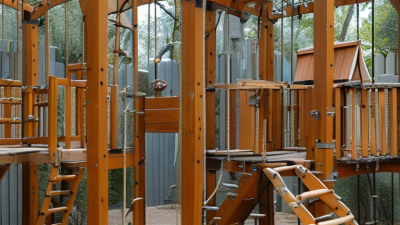
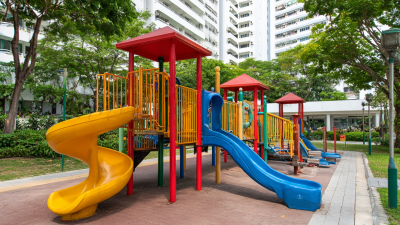
Evaluate Safety Features, Materials, and Structural Stability

Choosing a unique outdoor playset means checking more than colors and climbing layouts. Safety must guide every design decision. The U.S. Consumer Product Safety Commission reports about 200,000 playground injuries each year. Falls cause roughly three-quarters of them. Inspect fall zones carefully.

Look for impact-absorbing surfacing, rounded edges, enclosed platforms, and handgrips sized for children. Check that openings cannot trap a head, neck, or limb. ASTM F1148 provides voluntary safety guidance for home playground equipment. Use it as a technical reference, not a decorative label. Also verify the material. Pressure-treated wood should be suitable for residential play areas and free from exposed splinters. Metal parts need rust-resistant finishes. Plastic should resist cracking under sunlight and temperature changes.

Structural stability deserves hands-on testing. The frame should sit level, resist sideways movement, and include secure ground anchoring. Check bolts after installation, especially where children swing or twist. The CDC notes that falls remain a leading source of playground injury, so stability is not optional. Leave adequate spacing between activities to prevent collisions. Keep the layout visible from common seating areas. A practical mistake is trusting assembly instructions without inspecting the finished structure. Recheck it after heavy rain, freezing weather, or one energetic afternoon. Small movement matters. Safety is never perfectly finished.

Compare Playset Designs, Themes, and Customization Options

Tip 1: Compare the playset’s core design before choosing a theme. A compact tower suits smaller yards. A multi-level layout needs wider fall zones and clearer supervision. The U.S. Consumer Product Safety Commission’s Public Playground Safety Handbook cites approximately 200,000 annual emergency-room injuries. Falls cause most playground injuries. Design is not decoration. It changes visibility, movement, and risk.

Tip 2: Treat themes as visual guidance, not a substitute for function. Nature, climbing, and imaginative themes can encourage varied movement. The World Health Organization recommends an average of 60 minutes of moderate-to-vigorous activity daily for children aged 5–17. Choose features supporting climbing, balancing, sliding, and social play. A bright flag may look exciting, but it adds little activity. Sometimes, simpler works better.

Tip 3: Customize in layers. Start with deck height, slide length, access steps, and safe surfacing. Then consider panels, roofs, steering wheels, or sensory elements. ASTM F1148 addresses residential playground equipment design and performance. Check every added accessory against the manufacturer’s instructions and CPSC clearance guidance. A beautiful plan can still be wrong for your yard. The imperfect choice may be less dramatic, yet easier to supervise and more useful every afternoon.

7 Tips for Choosing Unique Outdoor Playsets? - Compare Playset Designs, Themes, and Customization Options

Tip Playset Design Dimension What to Compare Customization Options Practical Check
1. Match the Set to the Available Space Compact, standard, or multi-zone layout Overall footprint, platform height, swing clearance, slide exit area, and access paths Reversible ladders, alternate slide positions, or modular add-on sections Measure the site first and leave the manufacturer-recommended protective-use zone around the equipment.
2. Choose a Theme That Encourages Open-Ended Play Nature, adventure, transportation, or imaginative-play design Whether the theme supports climbing, sliding, balancing, role-play, and active movement Playhouse panels, steering wheels, telescopes, chalkboards, signs, and themed accessories Prefer features that can be used in several ways rather than decorations with only one purpose.
3. Compare Age-Appropriate Features Toddler-friendly, school-age, or mixed-age configuration Recommended age range, platform height, climbing difficulty, guardrails, and access points Lower climbing walls, gentler slides, additional handholds, or age-specific accessories Select equipment based on the youngest intended users and follow the product’s age guidance.
4. Evaluate Materials and Weather Resistance Wood, metal, plastic, or mixed-material construction Structural strength, surface temperature, corrosion resistance, splinter prevention, and replacement requirements Exterior stain or paint colors, canopy fabrics, panel finishes, and hardware choices where available Check that outdoor materials are treated or finished for the local climate and inspect them regularly.
5. Prioritize Safety Features Protected platforms, stable climbing elements, and controlled exits Guardrails, barriers, rounded edges, pinch-point protection, secure anchors, and fall-surface requirements Extra handrails, enclosed play areas, safety handles, and alternate access routes Look for clear safety instructions and install impact-absorbing surfacing where falls may occur.
6. Balance Active Play and Quiet Play Climbing-and-sliding set versus playhouse-and-seating set Number of activity types, waiting points, shaded areas, and opportunities for social play Picnic tables, benches, sand or sensory stations, canopies, and creative-play panels A balanced layout can support both energetic movement and quieter imaginative activities.
7. Check Long-Term Maintenance and Adaptability Fixed design or modular system Cleaning access, hardware inspections, replacement parts, finish maintenance, and future expansion Replaceable swings, removable panels, additional slides, climbing accessories, or seating modules Choose a design that can be inspected, repaired, and updated as children’s interests change.

Selection reminder: Always follow the product instructions, local installation requirements, and applicable playground safety guidance before use.

Check Installation Needs, Maintenance, and Long-Term Durability

Choosing a unique outdoor playset involves more than selecting unusual colors or exciting accessories. The ground, weather, and installation process matter just as much. Measure the play area carefully, including swing clearance and space around slides. A beautiful design can become impractical on a sloped or crowded site.

Tip 1: Check the installation surface. Firm, level ground supports stability and reduces uneven wear.

Tip 2: Read the assembly requirements before purchasing. Some structures need concrete anchors, special tools, or several adults. I once underestimated assembly time, and that shortcut created unnecessary frustration.

Tip 3: Ask whether professional installation is available when the structure is heavy or complex. Follow safety instructions and local requirements closely.

Tip 4: Examine maintenance needs. Look for sealed wood, rust-resistant hardware, smooth edges, and replaceable parts.

Tip 5: Inspect drainage around posts after heavy rain. Standing water can weaken foundations and encourage decay.

Tip 6: Consider long-term durability in direct sunlight, snow, and strong wind. Materials should suit the local climate, not only the product photograph.

Tip 7: Plan regular inspections. Tighten loose bolts, check ropes for fraying, and examine platforms for cracks. Small defects can grow quickly. Some advice may seem overly cautious, but children test every weakness.

Match the Best Playset to Your Budget and Available Space

7 Tips for Choosing Unique Outdoor Playsets

A playset should fit your yard before it fits your wish list. Measure the usable area, including gates, trees, fences, and a safe fall zone. Leave clear space around swings and slides. A compact climbing wall may suit a narrow yard better than a large tower. Draw the layout with chalk first. It feels surprisingly revealing.

Set a complete budget, not just a purchase price. Include delivery, assembly, anchors, protective surfacing, and future repairs. Wood may need regular sealing, while other materials can reduce maintenance time. I once underestimated installation costs, and that changed how I compare playsets. A lower price is not always better value. Check weight limits, sturdy connections, rounded edges, and drainage before choosing.

Look for features that match your children’s ages and abilities. Adjustable elements can extend useful years, but complicated designs may become expensive clutter. Choose shade, visibility, and easy access over impressive size. Ask whether adults can inspect hidden joints without dismantling the structure. Review local safety guidance and the manufacturer’s installation instructions carefully. My own preference is simple: fewer features, better spacing, and stronger construction. Children usually create more games than adults expect.