Leave Your Message

What Types of Outdoor Play Slides Are There?

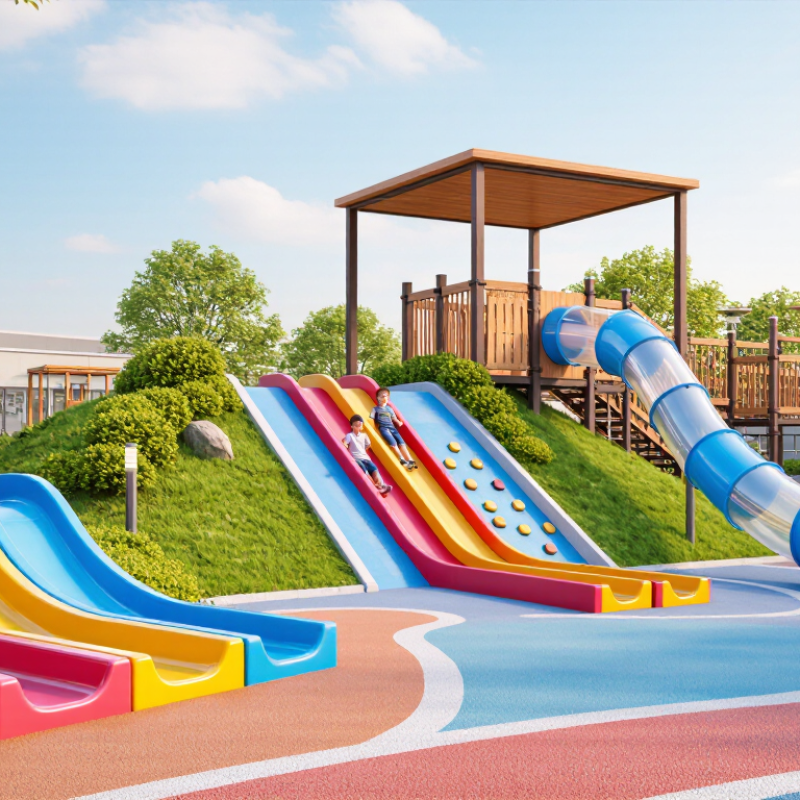
Outdoor Play Slides turn ordinary play areas into active landscapes filled with movement, choice, and discovery. Their designs range from straight slides and gentle toddler slides to wave, spiral, tube, and dual-lane models. Embankment slides use a natural slope, while modular slides often connect with climbing walls or platforms. Each type creates a different experience. A straight slide may support confident, repeated runs. A spiral slide adds anticipation and changing body movement. A tube slide offers enclosure, shade, and a quieter sense of adventure.

Playground researcher Dr. Joe L. Frost wrote, “Play is the child’s work.” That idea matters when comparing Outdoor Play Slides. A suitable slide should invite challenge without creating unnecessary fear. Designers and buyers should examine platform height, landing space, handrails, surface temperature, drainage, and visibility. Materials also matter. Stainless steel feels smooth and durable, while plastic can offer softer curves and brighter colors. However, every material has limitations. Metal may become hot in direct sunlight. Plastic can fade or crack without proper maintenance.

No single slide fits every playground. Age range, available space, user ability, and supervision patterns must shape the decision. A preschool area may need a low, wide slide with easy access. An older children’s zone might support a taller spiral or wave design. The answer is not always obvious. Real sites contain uneven ground, busy traffic, and changing weather. This guide examines each Outdoor Play Slides type with practical details, safety considerations, and honest comparisons. The goal is a better choice, not a perfect one.
What Types of Outdoor Play Slides Are There?

What Is an Outdoor Play Slide?

An outdoor play slide is a raised play structure that lets children move from a platform to the ground along a smooth, sloping surface. It usually includes steps, a climbing ladder, handrails, and a landing area. Unlike indoor slides, outdoor models must handle sunlight, rain, temperature changes, and frequent use. Their materials may include treated wood, coated metal, or durable plastic. Each material feels different under small hands.

Slide types vary by shape and user age. Straight slides offer a simple, predictable ride. Curved slides add movement and visual interest. Tube slides create an enclosed route, while short toddler slides reduce climbing height. Wider slides may support different sitting positions, but they still need careful supervision. A qualified installer should check platform height, guardrails, fasteners, and the fall zone. Impact-absorbing ground cover matters. Small details matter.

From practical inspections, I look for sharp edges, loose bolts, hot surfaces, and water collecting near the exit. I also check whether children can reach openings that seem too wide. These checks are not perfect. A clean slide can still hide a weakened connection underneath. Children also change quickly, so a slide suitable last year may feel too challenging now. Adults can watch for awkward landings, crowded platforms, and rushed climbing. Outdoor play slides support balance, coordination, and confidence, but only when the structure matches the child’s abilities and the space receives regular care.
What Types of Outdoor Play Slides Are Available?

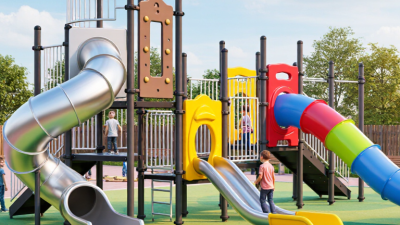
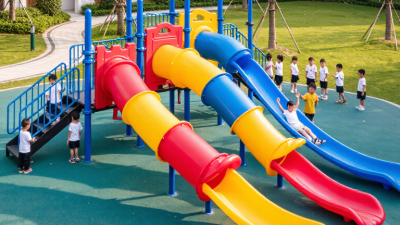
Outdoor play slides are available in more forms than many playground planners expect. Straight slides remain common because children understand their movement easily. They suit younger users and fit compact spaces. Their height, ladder angle, and landing zone still need careful planning.

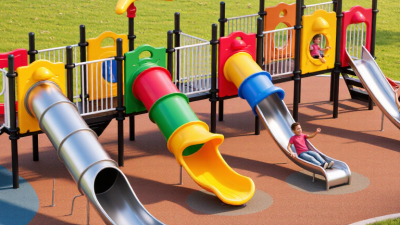
Wavy slides add small rises and drops, creating a slower, playful rhythm. Spiral slides turn children through a curved path and require more vertical space. Tunnel slides offer a darker, enclosed experience, which some children love and others avoid. Double-lane slides let two children slide together, although close supervision remains important. Embankment slides use a sloped landscape instead of a tall climbing tower. They can feel less intimidating and often blend naturally with parks.

Material also changes the experience. Smooth plastic slides usually feel warm in direct sunlight, while metal surfaces may become dangerously hot. Textured finishes can improve grip, but rough edges are unacceptable. I have found that children notice landing comfort immediately; a hard stop can ruin an otherwise thoughtful design. That detail is easy to overlook.

Choosing among these outdoor play slides depends on age range, available space, fall height, drainage, and maintenance access. A spiral model may look exciting, yet it can challenge children who dislike tight turns. A straight slide may seem basic, but repeated use proves its value. Designers should observe real play patterns, not rely only on drawings. Weather changes everything, and even careful plans sometimes need revision.

Outdoor play slides are available in several forms, including straight, wave, spiral, tube, and roller slides. The chart shows representative deck heights commonly used for each type in playground design. Actual dimensions vary according to the equipment design, site, and applicable safety requirements.

How Do Slide Materials and Designs Differ?

Outdoor play slides vary widely in material and form. Straight slides create a predictable ride and suit smaller playgrounds. Wave slides add gentle rises and drops, while spiral slides turn around a central support. Tube slides feel enclosed and can reduce visual supervision. Embankment slides use a slope instead of a tall platform. Each design changes speed, visibility, space requirements, and installation costs.

Plastic slides are usually lightweight, smooth, and resistant to moisture. Quality plastic should include ultraviolet protection, because strong sunlight can cause fading, brittleness, and excessive surface heat. Metal slides offer firm support and a crisp, fast ride. However, exposed metal may become dangerously hot or develop rust when coatings fail. Fiberglass provides a rigid, seamless surface, but damaged areas may need professional repair. Timber can create a natural appearance, yet it demands regular sealing and careful checks for splinters, cracks, and water damage.

Design details matter as much as the material. Wide entry platforms help children sit safely before sliding. High side walls can reduce falls, but they may limit adult visibility. A smooth exit should slow children gradually and leave enough clear space for landing. I once assumed a faster slide was more exciting. That judgment was too simple. Younger children often need a lower angle and shorter run. Adults should check anchors, joints, edges, drainage, and surface temperature before use. Local playground safety standards should guide spacing and installation. Even then, maintenance decisions require honest review. A slide can look sound while hidden connectors loosen underneath.

What Types of Outdoor Play Slides Are There? - How Do Slide Materials and Designs Differ?
Slide Type Common Material Typical Design Best-Suited Setting Key Advantages Potential Limitations Maintenance Considerations Relative Speed
Straight Slide Rotomolded plastic, fiberglass, or stainless steel A direct, gently sloped chute with a simple exit Home play areas, preschools, parks, and modular playgrounds Simple layout, easy supervision, efficient use of space, and suitable for a broad range of playground configurations Provides less variety than curved or enclosed designs and may require a longer run-out area Inspect fasteners, joints, the entry platform, and the exit zone; clean dirt and residue from the sliding surface Moderate
Wave Slide Rotomolded plastic or fiberglass A chute with one or more raised and lowered sections Public playgrounds and play structures designed for varied movement Adds changing motion and visual interest while retaining an open design for supervision The changing slope can increase forward movement and may be less suitable for very young users without close supervision Check transition points for cracks, sharp edges, loose hardware, and surface wear Moderate to fast
Spiral Slide Rotomolded plastic, fiberglass, or metal A curved chute that wraps around a central support or follows a spiral path Playgrounds where vertical space is available but horizontal space is limited Creates a distinctive experience and can reduce the straight-line footprint of the slide Visibility is reduced in some sections, and the curved path can make supervision and cleaning more demanding Inspect the full curve, support structure, entry area, and exit for gaps, damage, or trapped debris Moderate
Tube Slide UV-stabilized plastic, fiberglass, or molded polymer sections An enclosed or partially enclosed chute with straight, curved, or spiral sections Large playground systems and sites seeking a more immersive play experience Provides shade along much of the route, uses creative routing, and can offer a strong sense of adventure Interior visibility is limited, airflow may be reduced, and cleaning access must be considered during installation Check internal surfaces, connection points, ventilation openings, and drainage; remove leaves and other debris Moderate to fast
Embankment Slide Stainless steel, fiberglass, or heavy-duty plastic A slide installed into or alongside a landscaped slope, often with a low entry height Natural playgrounds, parks, and sites with an existing grade change Can reduce the need for tall platforms, blend with the landscape, and support accessible site planning when properly designed Requires suitable terrain, drainage, and careful control of the approach and landing areas Inspect surrounding soil, drainage, retaining features, edges, and the slide surface for movement or erosion Moderate
Roller Slide Metal rollers with a steel or aluminum support frame A series of parallel rollers that rotate beneath the user Specialized playgrounds and high-traffic outdoor play areas Offers a different tactile experience and can provide controlled movement on a relatively low-angle layout Moving parts require closer inspection; clothing, fingers, and small objects must be kept away from roller gaps Check roller rotation, bearings, spacing, fasteners, pinch points, corrosion, and damaged or missing components Slow to moderate
Wide or Double Slide Rotomolded plastic, fiberglass, or stainless steel A broad chute or two parallel lanes that allow side-by-side sliding Busy playgrounds, family recreation areas, and group-oriented play spaces Encourages shared play, increases capacity, and can offer multiple sliding lanes within one structure Needs a wider landing zone and clear separation between users; simultaneous use still requires supervision Inspect lane dividers, sidewalls, entry points, and the full width of the exit area Moderate
Metal Slide Stainless steel or coated steel Usually a straight, curved, or banked chute supported by a metal frame Public parks, high-use playgrounds, and installations requiring high structural durability Strong, rigid, and resistant to heavy wear when correctly specified and maintained Metal can become very hot in direct sunlight and may corrode if coatings or drainage are not maintained Check surface temperature before use, inspect for rust and sharp edges, and maintain protective coatings Moderate to fast
Plastic Slide UV-stabilized polyethylene or other impact-resistant molded plastic Commonly straight, wave-shaped, spiral, or partially enclosed Residential playsets, childcare settings, and general-purpose playgrounds Lightweight, corrosion-resistant, available in many shapes, and generally comfortable to touch in varied weather May fade, deform, or become brittle after prolonged exposure to intense sunlight, chemicals, or impact Inspect for fading, cracks, deformation, rough patches, loose connections, and damage around mounting points Slow to moderate
Fiberglass Slide Glass-fiber-reinforced polymer with a protective gel coat Can be formed into straight, wave, spiral, or tube configurations Commercial playgrounds and custom play structures requiring complex shapes Rigid, shape-flexible, and capable of producing smooth, continuous curves Surface damage can expose fibers or create rough areas; repairs should be completed using suitable materials Inspect the gel coat, seams, mounting points, and underside for cracks, chips, delamination, or exposed fibers Moderate to fast
Accessible Transfer Slide Plastic, fiberglass, or stainless steel combined with an accessible platform A slide integrated with transfer platforms, handholds, and carefully planned access routes Inclusive playgrounds serving children with different mobility needs Supports inclusive play when incorporated into an overall accessible playground layout Accessibility depends on the complete route, surfacing, transfer space, handholds, and local design requirements—not the slide alone Check transfer areas, handholds, edge protection, accessible surfacing, and the approach route Moderate
Important selection factors: Slide suitability depends on the user age range, platform height, slope, exit design, available fall zone, impact-attenuating surfacing, climate, visibility, and compliance with applicable playground safety standards. Always follow the manufacturer’s installation and inspection instructions for the specific product.

Which Slides Suit Different Ages and Play Spaces?

For toddlers, a low, straight slide with wide steps and handrails offers simple movement and easier supervision.

Preschool children can use short straight or gently wavy slides with secure platforms.

School-age children may enjoy spiral, tunnel, or taller slides, but these require more space and stronger supervision.

Outdoor slides should match both a child’s age and the available play space. Age labels help, but they are not perfect. A confident four-year-old may still need a simpler design.

The U.S. Consumer Product Safety Commission identifies falls as the leading cause of playground injuries. Its Public Playground Safety Handbook stresses suitable protective surfacing, clear use zones, and safe access points. ASTM F1487 also provides technical guidance for public playground equipment.

These standards matter in backyards, schools, and community parks. A narrow yard may suit a compact, low slide. A large park can support separate slide areas for younger and older children. Check the landing zone carefully; excitement can hide poor spacing.

Tips: Follow the manufacturer’s age and height guidance. Measure the full use zone before installation. WHO recommends at least 60 minutes of moderate-to-vigorous activity daily for children aged 5–17.

A slide cannot provide all that movement, but it can encourage climbing, balancing, and repeated active play. Inspect bolts, platforms, and surfacing regularly. Honestly, even a well-designed slide needs adult judgment, because children do not always use equipment as intended.

What Safety Features Should Outdoor Slides Include?

Outdoor play slides come in several forms, including straight, spiral, wave, and tunnel designs. Each shape creates a different riding experience. A straight slide supports simple supervision, while a spiral slide needs careful visibility around its curves. Height, slope, and platform access should match the children’s age and abilities.

Safety features deserve more attention than appearance. A sturdy slide needs secure anchoring, rounded edges, and smooth surfaces without sharp joints. Platforms should include protective guardrails and barriers that prevent children from slipping through gaps. Handholds can help children climb safely. Steps should have even spacing and non-slip treads.

The landing area matters greatly. Impact-absorbing surfacing, such as engineered wood fiber or rubber safety material, can reduce injury risk during falls. Hard concrete is unsuitable beneath elevated equipment. Keep the exit clear, so children do not collide with others. Check the slide before use for loose bolts, cracks, hot metal, standing water, and worn surfaces. Touch it first.

I once paid more attention to a slide’s height than its landing zone. That was a mistake. Supervision still matters, even with strong design features. Children may climb upward, push from behind, or use a slide incorrectly. Clear age guidance and simple playground rules can prevent many avoidable incidents. No checklist catches everything. A careful inspection before play remains essential.