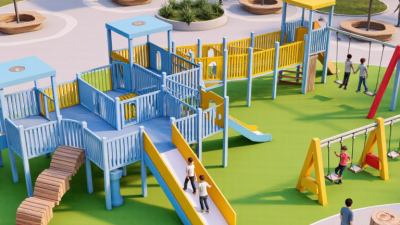
+86-13901441113


A Childrens Playpark is more than a bright slide beside a climbing frame. For global buyers, the right design must fit its site, age range, climate, maintenance capacity, and children’s varied abilities. Popular options include modular systems, nature-based play areas, indoor parks, and inclusive playgrounds. Each creates different demands: a compact urban site may need vertical play, while a schoolyard may benefit from open space and varied movement.
Evidence helps explain why these choices matter. A WHO-led study published in The Lancet Child & Adolescent Health analysed data from 1.6 million students across 146 countries and regions. It found that 81% of adolescents did not meet recommended physical-activity levels (Guthold et al., 2019). The figure is not a playground market forecast, but it gives buyers a clear public-health context. Small design decisions matter.
The American Academy of Pediatrics’ clinical report, led by pediatrician Dr. Kenneth R. Ginsburg, states: “Play is essential to development because it contributes to the cognitive, physical, social, and emotional well-being of children and youth” (Pediatrics, 2007). This guide compares playpark types through practical buyer questions: who will use them, what will upkeep require, and how can more children participate? A catalogue can make every option look simple. Real sites are messier. That deserves a second look.
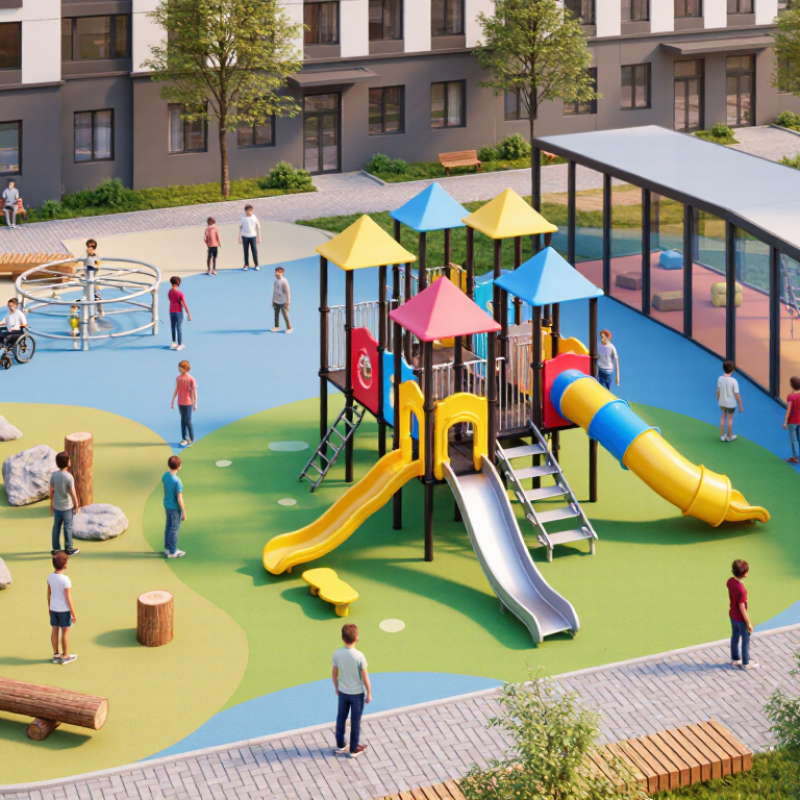
In 2026, a children’s playpark is more than a cluster of slides and swings. It is a designed environment where children can move, imagine, meet others, and choose manageable challenges. The details matter: a toddler’s low platform, a clear route for a wheelchair, shaded seating, and surfaces suited to the equipment. No single feature defines quality. The whole space must work for different ages and abilities.
The World Health Organization’s 2020 physical activity guidelines recommend an average of at least 60 minutes of moderate-to-vigorous activity each day for children aged 5–17. A playpark cannot meet that need alone, but climbing, running, and balancing can make movement inviting. WHO’s 2019 analysis, published in The Lancet Child & Adolescent Health, found that more than 80% of school-going adolescents worldwide were insufficiently active. That is a broad warning, not a forecast for every community. A rubber surface alone does not make a park inclusive, either. I would look for clear sightlines, varied play, and equipment that invites both active and quieter play.
Tips: Ask who the park is designed for, then inspect it at child height. Check for hot metal, narrow access routes, and places where caregivers can sit nearby. Planning on paper helps. Real children may use the space differently.
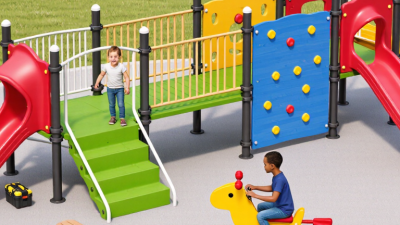
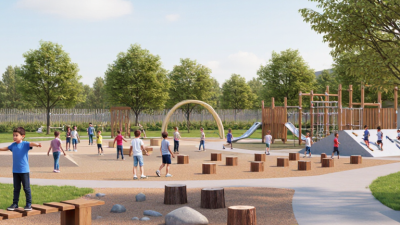
Playparks differ less by equipment count than by the kind of play they invite. A climbing-and-sliding park builds challenge through ladders, nets, and fast descents. A nature-based park uses logs, slopes, sand, and planting for open-ended exploration. Water and sensory play add splashing, texture, and quieter discovery. Small details matter: a shaded bench beside the sandpit can help caregivers stay nearby.
The WHO 2020 guidelines recommend an average of at least 60 minutes of moderate-to-vigorous activity daily for children aged 5–17. A playpark can support that goal, but no single layout guarantees it. Inclusive parks combine step-free routes, transfer points, and varied play heights, so children can share the same space in different ways. Keep it practical. Before choosing a type, buyers should consider local climate, age range, surfacing, and maintenance capacity. The WHO reports that 81% of adolescents aged 11–17 were insufficiently active in 2016. That figure is a useful prompt, not proof that adding equipment alone will change habits. I would question any plan that prioritizes dramatic structures over everyday access.
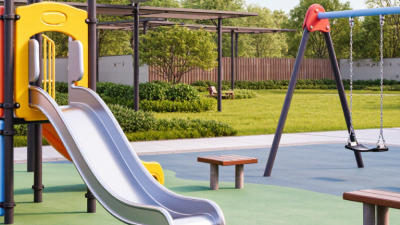
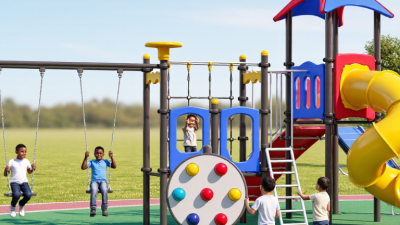
Playpark equipment should match children’s ages, available space, and expected use. Toddler areas benefit from low platforms, short slides, and easy-grip rails. Older children may enjoy climbing nets, balance beams, and multi-level towers. Clear sightlines help adults supervise without blocking movement. Small details matter.
Material selection affects durability and upkeep. Galvanized or coated steel can suit frames, while smooth, UV-stable plastics work well for panels and slides. Stainless fasteners help resist corrosion in damp environments. Timber offers a natural look, but buyers should check its finish, splinter risk, and maintenance needs. Climate matters: intense sun, coastal air, and freeze-thaw cycles can wear materials differently. A bright finish can hide a weak connection.
Safety features deserve close review before purchase. Match impact-absorbing surfacing to equipment height, and check that openings do not create head or limb entrapment risks. Handrails, rounded edges, secure anchors, and clear fall zones all matter. Ask for installation instructions, material specifications, and inspection guidance; then have the site assessed against applicable local requirements. A colorful layout may still feel cramped once children start moving through it. That is easy to overlook on a drawing.
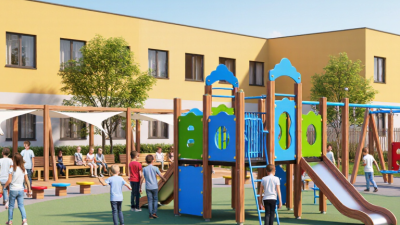
A playpark type should fit its site, not just a catalogue image. A compact urban plot may suit a vertical climbing frame, while a wide community field can support separate active and quiet zones. Measure slopes, access routes, drainage, and nearby trees before choosing equipment. Shade matters. A sunny surface can become uncomfortable, and poor drainage may leave soft-fall areas wet after rain.
Climate changes material and layout choices. In hot regions, place seating and play elements away from intense afternoon sun, and specify surfaces suited to local heat exposure. In coastal areas, salty air can speed corrosion, so durable, corrosion-resistant fittings deserve attention. Cold or wet sites may need sheltered gathering spots and clear paths that remain usable through seasonal weather. Water changes everything. These decisions depend on local conditions, so a generic climate label is not enough.
Age groups shape both challenge and supervision. Toddlers benefit from low platforms, gentle slides, and clear sightlines; school-age children often seek climbing, balancing, and imaginative play. Mixed-age spaces need separation without making caregivers choose which child to watch. A detail often missed. Accessible routes, transfer points, and varied play options should be planned from the start, not added after the main structure is fixed. Designers can still overestimate how much equipment a small site can hold. Leaving open space may be the better choice.
How site, climate, and age groups shape playpark design
Age bands follow the U.S. Consumer Product Safety Commission’s public playground guidance; they are design categories, not universal legal requirements. Choose play equipment for the intended age group, then adapt the layout to the site and local climate—for example, by considering access, drainage, shade, and suitable materials. Source: CPSC Public Playground Safety Handbook.
Global buyers should compare playpark types by age range, available space, climate, and maintenance capacity—not by equipment count alone. A compact toddler area needs low platforms, clear sightlines, and soft landings; a larger adventure layout may suit older children, but needs more inspection time. The U.S. Consumer Product Safety Commission’s Public Playground Safety Handbook reports that more than 200,000 children are treated in emergency departments annually for playground-related injuries in the United States. That figure makes fall zones, surfacing, and installation quality practical buying criteria, not decorative details. WHO’s 2020 physical activity guidelines recommend an average of at least 60 minutes of moderate-to-vigorous activity daily for children aged 5–17. A good design should invite varied movement. Not just climbing.
Supplier comparisons need the same rigor. Ask for drawings showing fall zones, material specifications, inspection schedules, replacement-part availability, and clear installation instructions. Request references for projects in similar climates; coastal salt, intense sun, and freeze-thaw cycles can affect materials differently. Check whether safety documentation matches the destination market and the selected equipment configuration. A certificate alone may not explain how the installed site performs. I would not assume one layout fits every school or community; user flow and supervision can be easy to overlook. Site visits or detailed project photos help buyers assess access, shade, and visibility. Price matters, but so does the cost of keeping the park usable five years later.
A practical comparison of common playpark formats, their typical applications, and the questions buyers can use to assess suppliers.
| Playpark type | Typical setting | Typical users | Main components | Space and site needs | Key buyer considerations | Supplier questions |
|---|---|---|---|---|---|---|
| Traditional outdoor playground | Public parks, schools, housing communities, and recreation grounds | Often designed for a defined age range, such as preschool or school-age children | Slides, swings, climbing equipment, balancing elements, and play panels | Requires an outdoor site, suitable fall zones, accessible routes, and drainage appropriate to local conditions | Check age-appropriate equipment, impact-attenuating surfacing, weather resistance, visibility, and inspection access | Which local playground and surfacing standards apply? What site, installation, inspection, and maintenance documents are provided? |
| Indoor soft play | Family entertainment venues, shopping centres, indoor recreation facilities, and childcare settings | Commonly aimed at toddlers and younger children; layouts can separate age groups | Padded climbing frames, crawl tunnels, ball pools, soft obstacles, and enclosed slides | Needs an indoor floor area, adequate ceiling height, safe circulation, and suitable ventilation and cleaning arrangements | Evaluate cleanability, material fire performance under local rules, sightlines, entry control, and replacement of worn padding | Can the supplier provide material specifications, cleaning guidance, fire-related documentation, and a layout matched to the available room? |
| Nature-based playground | Parks, school grounds, botanical settings, and outdoor learning areas | Can serve a broad age range when routes and challenges are varied | Logs, boulders, mounds, planting, water or sand features, and natural-material play elements | Requires site-specific planning for terrain, drainage, planting, accessible routes, and ongoing landscape care | Consider durability, splinter and trip risks, seasonal changes, accessibility, and how natural elements will be inspected | How are natural materials selected and maintained? Who is responsible for landscape work and recurring safety inspections? |
| Adventure and ropes play | Adventure parks, destination recreation sites, camps, and larger public parks | Usually suited to school-age children and older users, depending on equipment design | Rope bridges, climbing nets, elevated routes, towers, and balance challenges | Needs careful consideration of fall heights, safety zones, anchoring, access control, and supervision | Compare challenge level, user flow, fall protection, structural design, inspection needs, and access for maintenance | What inspection regime and component-life guidance are supplied? Are structural and installation documents available for local review? |
| Water play and splash park | Public parks, resorts, aquatic facilities, and warm-weather recreation areas | Often designed for mixed ages, with shallow interactive features for younger children | Ground sprays, tipping features, water jets, channels, and interactive controls | Requires water supply and drainage planning, slip-resistant surfaces, plant-room access, and a suitable water-management approach | Assess water treatment requirements, slip resistance, hygiene procedures, operating costs, and seasonal shutdown needs | What water-quality and operating procedures are required locally? What maintenance, filtration, drainage, and winterisation support is available? |
| Inclusive and accessible playground | Public parks, schools, community facilities, and inclusive recreation spaces | Designed to support participation by children with varied physical, sensory, and cognitive abilities | Accessible routes, transfer platforms, sensory play, ground-level activities, and varied seating | Needs connected accessible routes, clear circulation, usable approach areas, and surfacing suited to the intended equipment | Look beyond individual accessible items: assess the complete route, choice of play experiences, communication, and caregiver access | How were users and accessibility specialists involved in the design? Can the supplier explain accessible routes and relevant local requirements? |
Planning note: Requirements vary by country, site, user group, and project scope. Buyers should confirm applicable local regulations and standards, including relevant playground equipment and impact-attenuating surfacing requirements. For example, EN 1176 and EN 1177 are European standards, while ASTM F1487 is used in the United States; applicability and current editions should be verified for each project. Supplier documents do not replace local design review, installation checks, or ongoing inspections.