Leave Your Message

How to Choose a Playscape Playground for Your Project

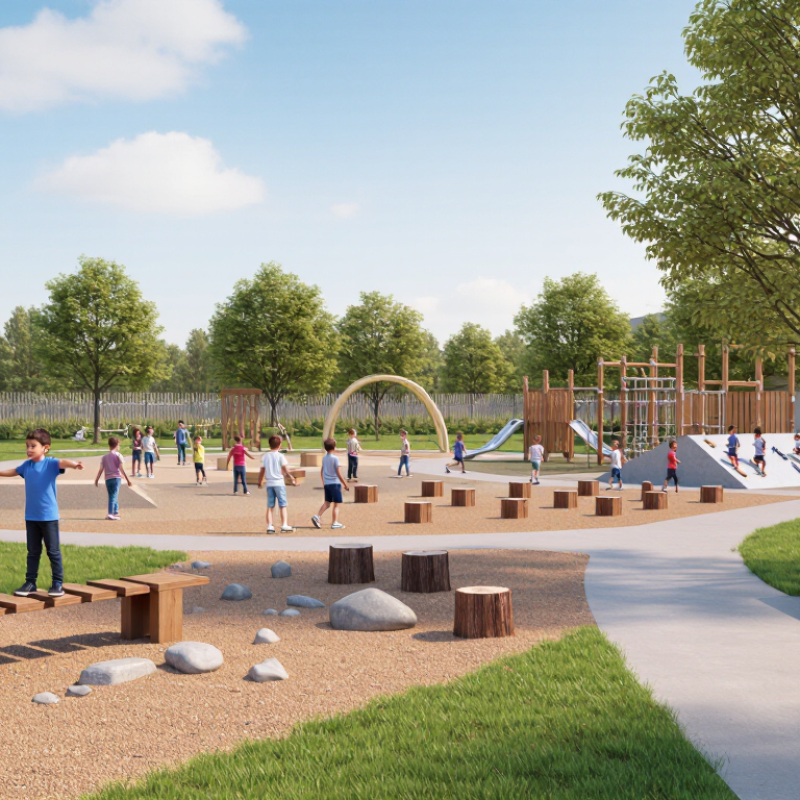
Choosing a Playscape Playground begins with the children and community who will use it. A school yard with a small preschool group needs different routes, heights, and gathering spaces than a busy public park. Watch how children move: where they pause, climb, run, or seek a quiet corner. These details help turn a project brief into a useful design plan. They also reveal what a drawing alone can miss.

Architect and educator Simon Nicholson’s “How NOT to Cheat Children: The Theory of Loose Parts” offers a useful principle: “In any environment, both the degree of inventiveness and creativity, and the possibility of discovery, are directly proportional to the number and kind of variables in it.” That idea can guide choices about natural features, movable elements, and open-ended play. Still, more equipment does not automatically mean better play. A low timber balance feature, a shaded seating nook, and a clear path between them may serve children better than a crowded layout. Small details matter.

This guide explores how to assess site conditions, age range, accessibility, materials, safety, maintenance, and budget before selecting a Playscape Playground. Compare options in person when possible. Feel the surface underfoot. Check sightlines from benches and entrances. Ask who will inspect and repair each feature, and how often. No plan is perfect. Some assumptions may need revisiting once children use the space. That is not failure; it is useful evidence for a better project.
How to Choose a Playscape Playground for Your Project

Define the Project’s Goals, Users, and Play Requirements

A playscape should begin with a clear purpose, not a catalogue of equipment. Ask what the project needs to support: active movement, imaginative play, social connection, or a quieter place to explore. A neighborhood park may need durable features for varied ages, while a small childcare yard may benefit from close sightlines and simple routes between activities. Write down the main goals before choosing structures. It sounds obvious, but teams sometimes skip this step and end up solving the wrong problem.

Who will use the space each day? Consider children’s ages, abilities, group sizes, and how caregivers supervise them. Watch how people move through the site, including entrances, paths, and shaded areas. A raised platform may appeal to older children, but younger visitors may need lower steps and reachable handholds. Include accessible routes and play choices that do not rely on a single way of moving or communicating. The details matter.

Turn those observations into practical requirements. Note the usable area, surface conditions, expected maintenance, and the kinds of play each zone should allow. For example, a compact site might combine a low climbing feature with open ground for group games. Leave enough clear space around equipment, and check that sightlines remain open from likely caregiver positions. I have seen plans look balanced on paper but feel crowded once benches and circulation paths are added. Revisit the layout with actual users, if possible, and be ready to revise it.
Assess the Site, Space, Climate, and Accessibility Needs

Begin with the ground, not the equipment. Walk the proposed area after rain and note slopes, puddles, tree roots, utility covers, and common entry points. Measure usable space, including clearance around play features and room for caregivers to move. Those margins are easy to underestimate. A layout that looks spacious on paper may feel cramped when a stroller or mobility device arrives.

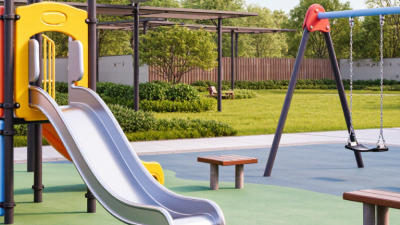
Check sunlight and wind at different times of day. Exposed surfaces can become uncomfortable in hot weather, while cold winds may make some areas less inviting. Plan shade near seating and quieter play zones, without blocking visibility. Where rain is frequent, look closely at drainage and how the surfacing performs when wet. Seasonal patterns matter more than one sunny site visit. Still, forecasts are not guarantees.

Map a continuous, firm route from the entrance to key play areas, seating, and restrooms. Consider turning space, reachable play elements, and places where children with different abilities can play alongside one another. Accessibility is not just an entrance. Ask families and site staff to walk through the draft plan; they may spot barriers a drawing misses. Then revise. Some trade-offs may remain, so document them and seek qualified advice before finalizing the design.

Compare Playscape Designs, Equipment, Materials, and Safety Features

A playscape should fit the children who will use it, the site, and the way adults supervise. Compare open layouts, which support running and group play, with compact designs that offer clearer sightlines. Walk the proposed route: can a caregiver see the climbing area from a bench? Check whether accessible paths connect key features, rather than stopping at the entrance. Some play happens quietly.

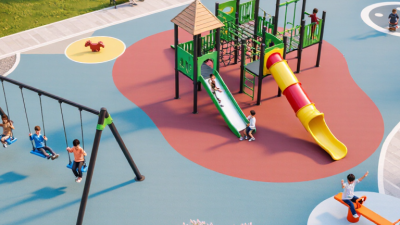
Equipment should offer varied challenge without forcing every child onto the same route. Compare low balance elements, climbing structures, swings, and imaginative-play features against the project’s age range and expected use. Ask how equipment will be anchored and inspected. A crowded layout can look exciting on paper but leave too little room for movement.

Materials affect comfort, upkeep, and long-term cost. Metal can become hot in direct sun; wood may need regular checks for splinters and wear. Look for clear specifications on impact-absorbing surfacing, drainage, and maintenance. Details matter here. Confirm fall zones and surfacing depth with a qualified playground safety professional, using applicable local guidance. Request written inspection and maintenance recommendations, then review them against the site’s climate, budget, and staffing. Some trade-offs remain. A durable surface may cost more upfront, while a simpler design may be easier to maintain.

Evaluate Suppliers, Standards, Warranties, and Lifecycle Costs

A playscape supplier should be able to explain how its design fits your site, age groups, and expected daily use. Ask for completed-project references, installation details, and a clear schedule for delivery and site preparation. Request drawings that show equipment spacing, fall zones, access routes, and surfacing depths. Details matter. A polished proposal is not enough if the documents leave basic questions unanswered.

Check which playground safety standards apply in your location, then ask the supplier to identify the relevant requirements and provide supporting documentation. Confirm who is responsible for inspections and resolving installation issues. If possible, visit a completed site and look closely at joints, drainage, and wear around busy entry points. I still find drainage easy to overlook; standing water can complicate maintenance.

Read warranty terms alongside the maintenance plan. Check coverage periods for structures, coatings, and moving parts, plus exclusions for routine wear or improper care. Then estimate lifecycle costs: inspections, replacement surfacing, spare parts, and cleaning. A lower purchase price may not stay lower. Ask for realistic maintenance intervals and replacement costs, not just best-case figures. Keep it concrete. Compare the same cost categories across proposals, and leave room for unexpected repairs.

How to Choose a Playscape Playground for Your Project - Evaluate Suppliers, Standards, Warranties, and Lifecycle Costs
Evaluation Area What to Assess Evidence to Request or Check Decision Check Project Score / Notes
Supplier and Project Fit
Relevant experience Experience with projects of similar size, user group, site conditions, and installation complexity. References for comparable completed projects; project scope and completion details. Can the supplier demonstrate relevant, verifiable experience? ________________
Design and site coordination Ability to coordinate play zones, circulation, access routes, drainage, utilities, shade, and required clearances. Scaled site plan, equipment layout, fall-zone information, and a list of assumptions or exclusions. Does the proposed layout fit the surveyed site and the project’s intended users? ________________
Installation and handover Defined responsibility for delivery, installation, site protection, inspections, documentation, and owner training. Written scope of work, installation schedule, inspection plan, and handover checklist. Are responsibilities, interfaces, and acceptance criteria clearly assigned? ________________
Parts and service support Availability of replacement parts, maintenance guidance, and a process for reporting defects or service issues. Parts list, ordering process, service contact details, and stated parts availability policy. Can the owner identify how to obtain compatible parts and support after installation? ________________
Safety, Accessibility, and Compliance
Applicable playground requirements Confirm the standards and regulations applicable to the project’s location, equipment type, and intended users. Compliance documentation identifying the applicable edition and the equipment or components covered. Are applicable requirements identified rather than described only as “compliant”? ________________
Equipment safety standard For U.S. public playground equipment, review the applicable edition of ASTM F1487. In Europe, review the applicable parts of EN 1176. Supplier’s written compliance statement and supporting product documentation. Does the documentation cover the proposed equipment and its configuration? ________________
Impact-attenuating surfacing Check surfacing performance, installed depth or system details, and required use zones. ASTM F1292 addresses impact attenuation; EN 1177 is used for impact-attenuating playground surfacing in Europe. Surfacing specifications, installation details, and applicable test documentation for the proposed system. Is the surfacing system suitable for the equipment’s fall-height requirements and site conditions? ________________
Accessibility Review accessible routes, accessible play components, transfer or ramp access where relevant, and surfacing firmness and stability. For U.S. projects, check applicable requirements in the 2010 ADA Standards, including Sections 240 and 1008; review ASTM F1951 where applicable to accessible surfacing. Has accessibility been checked across the route into, through, and within the play area? ________________
Inspection and maintenance plan Confirm the owner will receive practical inspection and maintenance instructions, including checks for wear, damage, loose parts, and surfacing condition. Written inspection schedule, maintenance manual, record template, and post-installation inspection requirements. Can the site operator carry out and document routine checks? ________________
Standards guidance Use the current applicable documents and local requirements; guidance does not replace project-specific compliance review. CPSC Public Playground Safety Handbook (U.S. guidance); applicable ASTM, ADA, or EN documents; local codes and authority requirements. Have the project team verified which documents are guidance and which requirements are mandatory locally? ________________
Warranty and Contract Review
Warranty coverage Review separate terms for equipment, finishes, surfacing, and installation. Warranty duration and coverage vary by contract and component. Full written warranty terms, start date, exclusions, claim process, and remedy for covered defects. Are coverage, exclusions, and claim responsibilities clear for every major component? ________________
Warranty limitations Check requirements for installation, inspection, maintenance, cleaning, and use that may affect coverage. Warranty conditions cross-checked against the proposed installation and maintenance plans. Can the owner meet the stated conditions and retain the records needed for a claim? ________________
Contract clarity Confirm inclusions, exclusions, delivery terms, change-order process, schedule assumptions, and responsibility for permits or site preparation. Itemized proposal and contract scope with written acceptance criteria. Are potential extra costs and owner-provided work identified before award? ________________
Lifecycle Cost Comparison
Initial project cost Compare equipment, surfacing, freight, installation, site work, drainage, access improvements, and required inspections. Itemized quotations using the same project scope and clearly stated assumptions. Are bids being compared on equivalent inclusions, quantities, and site conditions? ________________
Routine maintenance Estimate labor, inspections, cleaning, minor repairs, and surfacing upkeep over the planned evaluation period. Supplier maintenance recommendations, owner labor assumptions, and local service estimates. Are recurring costs and the party responsible for each task documented? ________________
Repair and replacement Consider likely replacement of wear items, damaged components, and surfacing materials; timing depends on use, environment, and maintenance. Parts pricing where available, replacement instructions, and documented assumptions for the project’s comparison period. Does the estimate include foreseeable repairs without presenting uncertain timing as guaranteed? ________________
Lifecycle cost method Use a consistent evaluation period and include initial cost plus expected maintenance, repairs, replacements, and disposal where relevant. Cost worksheet showing assumptions, timing, and whether figures are nominal or adjusted for inflation or discounting. Are all options evaluated using the same period and calculation method? ________________
Comparison note: No single warranty length, maintenance budget, or lifecycle period applies to every playground. Request project-specific terms and document assumptions before comparing proposals. ________________

Plan Installation, Inspections, and Ongoing Maintenance

How to Choose a Playscape Playground for Your Project

Before installation, confirm the usable area, drainage, access route, and underground utilities with qualified project professionals. A delivery truck may fit the driveway but still lack room to unload safely. Mark boundaries with stakes, then check clearances around swings, slides, and walking paths. Ask the installer to document anchoring, surfacing depth, and the handover inspection. Keep those records where the site team can find them. Plans can look tidy on paper. The ground may disagree. Adjust for slopes, wet patches, or roots before equipment arrives, rather than improvising after assembly.

Set an inspection schedule before opening day, and assign a named person to each check. Daily walk-throughs can catch litter, standing water, loose caps, or damage after heavy use. At planned intervals, inspect fasteners, moving parts, posts, guardrails, and impact-absorbing surfacing. Follow the equipment and surfacing manufacturers’ maintenance instructions, and use a qualified inspector when required by the project’s risk plan. Keep dated notes and photos; a small crack may be easy to miss next week. Repair or close access to an affected area when a hazard cannot be corrected promptly. Be realistic about staffing. A schedule no one can maintain is just paperwork. Seasonal changes matter: frost, heat, and rain can shift surfacing or expose drainage problems. Recheck after repairs and record what changed.

How to Choose a Playscape Playground for Your Project

Plan Installation, Inspections, and Ongoing Maintenance

Use this sample schedule to plan ongoing care: weekly visual checks, monthly operational checks, quarterly surfacing reviews, and one comprehensive annual inspection. These are planning examples, not regulatory requirements. Adjust the schedule for playground use, equipment guidance, and local requirements, and plan installation and maintenance before choosing your playscape.