Leave Your Message

What Are the Best Outdoor Play Slides for Playgrounds?

Outdoor slides look simple, but a good choice depends on more than height or color. The right Outdoor Play Slide should fit the children, available space, and daily supervision routine. A preschool area may need a low, gently curved slide with wide steps and handrails. Older children may enjoy a taller design, provided the structure and landing zone suit its intended age range. Small details matter. Check the platform, grip surfaces, slide exit, and surrounding surfacing before comparing prices.

Safety comes first. Look for clear age and capacity guidance, durable materials, stable anchoring, and information about inspection and maintenance. Follow the manufacturer’s installation instructions and applicable playground standards; requirements can vary by location. For busy parks, consider whether staff can see the entrance and exit, and whether children can move through without crossing the landing area. Shade, drainage, and sun-warmed surfaces deserve attention too. They are easy to overlook. Fit matters.

There is no single best slide for every playground. A bright, tall model may attract attention, yet feel intimidating to younger users or overwhelm a compact site. On the other hand, a modest slide can become a favorite when it is accessible, well placed, and paired with open play space. This guide compares common slide types, materials, age suitability, layout needs, and care. Some trade-offs remain imperfect. The goal is a thoughtful fit, not the most impressive photograph.
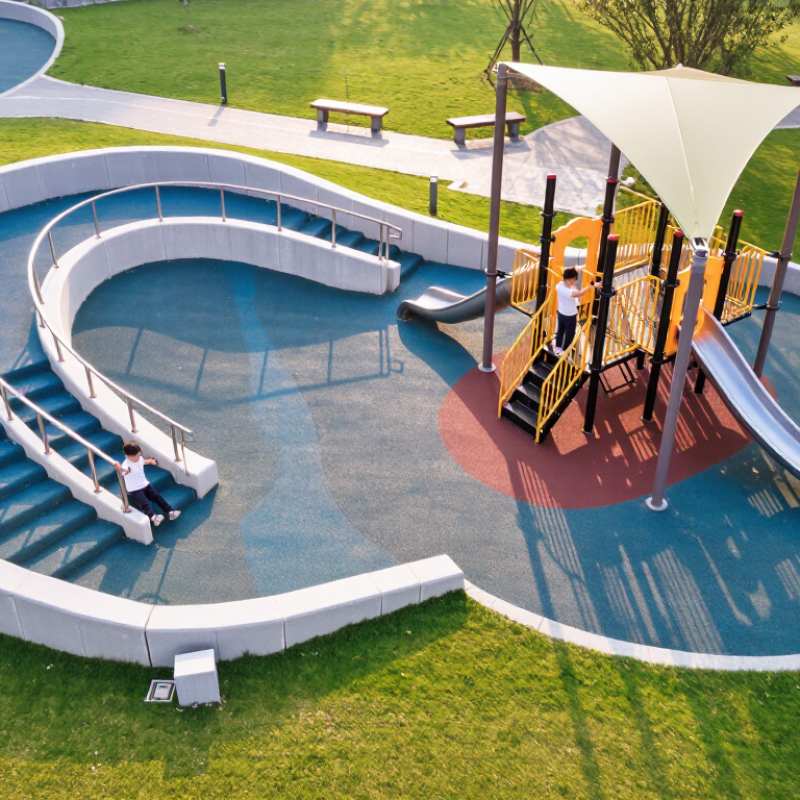
What Are the Best Outdoor Play Slides for Playgrounds?

What Outdoor Play Slides Are and How They Support Playground Play

An outdoor play slide is a sloped surface connected to a raised platform, usually reached by steps or a climbing route. Children climb, pause, take turns, and descend. That sequence gives slides more to offer than a quick ride. They can build balance, coordination, and confidence while creating small chances for cooperation. A child may wait at the top, call to a friend, or decide to try again. Those moments matter.

The U.S. Consumer Product Safety Commission’s Public Playground Safety Handbook cites roughly 200,000 annual emergency-department visits for playground-equipment injuries among children. Falls are a major concern. A slide’s height, access route, landing area, and protective surfacing therefore deserve careful attention. The handbook advises matching equipment to children’s ages and maintaining clear use zones. A smooth-looking slide is not automatically a safe one. Loose surfacing or a crowded exit can change the experience quickly.

Good slide design also considers how children actually move through a playground. A low slide beside a visible platform may suit younger users, while older children may enjoy a longer route or a gentle curve. Keep the exit clear, and check for hot surfaces, sharp edges, and wear. Slides are not magic. Some children hesitate, and that is useful information; the equipment may need better access, clearer sightlines, or a calmer approach.
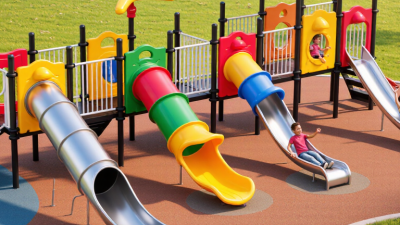
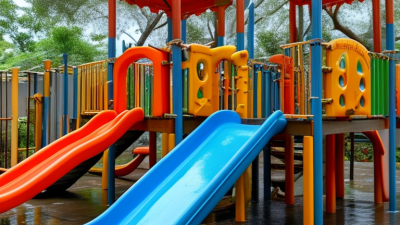
Common Types of Slides and Their Key Features

What Are the Best Outdoor Play Slides for Playgrounds?
Common Types of Slides and Their Key Features

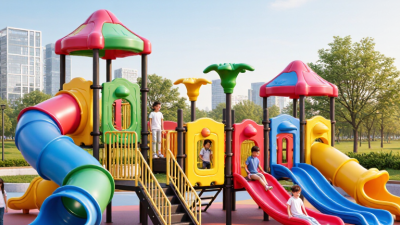
Straight slides are a familiar choice for many playgrounds. Their simple shape suits open spaces and makes supervision easier. A gentle slope can work well for younger children, while a steeper run may feel faster. Check the landing area, too. It should be clear, level, and free of hard obstacles. Small details matter.

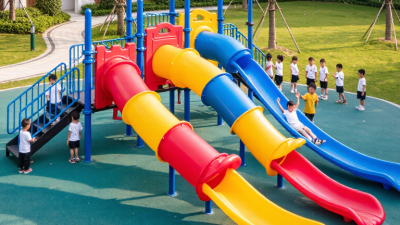
Wave slides add shallow dips that change the ride without requiring a full turn. Spiral slides use a curved path and can fit into a smaller footprint, though adults may find it harder to see riders throughout the descent. Tube slides offer shade and a more enclosed ride, but their interiors need regular inspection for dirt, trapped water, or damage. Embankment slides follow a slope, so they can blend into a landscape and reduce the need for a tall structure. Still, the surrounding ground must be planned carefully.

Material affects comfort and upkeep. Metal can heat up in direct sun, while plastic may need checks for fading or cracks. I would not choose by appearance alone. Consider children’s ages, available space, access routes, and how easily staff can inspect the equipment. Bigger is not always better. That choice is not obvious at first.

How Age, Space, and Terrain Shape Slide Selection

What Are the Best Outdoor Play Slides for Playgrounds?
How Age, Space, and Terrain Shape Slide Selection

Age is a practical starting point. The U.S. Consumer Product Safety Commission’s Public Playground Safety Handbook lists maximum slide platform heights of 4 feet for children ages 2–5 and 8 feet for ages 5–12. These are guidance values, not a substitute for checking current standards and equipment specifications. Younger children often benefit from lower platforms, easy-grip rails, and stairs they can climb without rushing. Older children may enjoy taller slides, but height alone does not make a slide engaging.

Space matters beyond the slide’s footprint. Allow room for the full use zone, including the exit area, and keep paths clear of swings, benches, and busy walkways. On uneven ground, check that the structure can be installed level and that water drains away from the play area. A sloped site can look ideal on a plan but create awkward access or erosion after rain. That detail is easy to underestimate.

Tips: Match the slide’s fall height to tested protective surfacing, such as material assessed under ASTM F1292. Check the surface after installation; loose fill can shift, especially near exits. Measure twice. Then review the layout with children’s actual routes in mind.

What Are the Best Outdoor Play Slides for Playgrounds? — How Age, Space, and Terrain Shape Slide Selection

Planning comparison of common outdoor slide options. Dimensions are approximate equipment-planning ranges, not safety-clearance requirements.
Slide Type Typical Age Fit Approximate Platform Height Approximate Equipment Footprint Space and Layout Considerations Terrain Suitability Best For
Short straight slide Usually suited to preschool-age children; select equipment specifically designed for the intended age group. About 0.6–0.9 m (2–3 ft) About 1.5–2.5 m long × 0.6–1.0 m wide (5–8 ft × 2–3 ft) Compact option, but still needs a clear approach, exit area, and the required use zone around the equipment. Works well on level, stable ground. Small playgrounds, early-childhood play areas, and lower-height play structures.
Standard straight slide Commonly used for school-age play; choose platform height and access features to match the users. About 1.2–1.8 m (4–6 ft) About 2.5–4.0 m long × 0.8–1.2 m wide (8–13 ft × 3–4 ft) Needs a longer, unobstructed exit approach than a short slide. Allow space for access equipment and circulation. Best on level ground or a properly engineered, stable base. General-purpose playgrounds with enough room for a conventional slide runout.
Wave slide Often selected for school-age children; suitability depends on the slide’s height and the playground’s age designation. About 1.2–2.0 m (4–6.5 ft) About 3.0–5.0 m long × 0.8–1.3 m wide (10–16 ft × 3–4 ft) Its changing profile can take more length than a short straight slide. Keep the exit zone clear of paths and other play activities. Typically installed on a level, prepared surface. Sites seeking a more varied ride while retaining a familiar open-slide layout.
Spiral slide Usually suited to older or more confident users when installed at a greater height; check the equipment’s stated age range. About 1.5–2.4 m (5–8 ft) About 2.0–3.5 m across (6.5–11.5 ft); overall layout varies Can reduce the straight-line runout length, but requires room for the curved structure, access point, and clear exit area. Requires a stable, level installation area. Play areas where a turning slide experience is desired and a straight slide would use too much length.
Enclosed tube slide Age fit varies considerably with height, entrance design, and access route; follow the equipment’s age and use guidance. About 1.2–2.4 m (4–8 ft) About 3.0–6.0 m long × 0.8–1.5 m wide (10–20 ft × 3–5 ft); bends can change the footprint Check the full route, support structure, entry and exit clearances, and visibility for supervision. Enclosed sections may be less suitable for users who need an open route. Normally installed on a level, engineered base. Integrated play structures with adequate room and a suitable, supervised access route.
Embankment slide Can serve different age groups when the slide height, access, and landing area are designed for them. About 0.9–1.8 m (3–6 ft), depending on the slope and entry point Uses the natural slope; reserve space along the hillside and at the exit May make use of a slope that would otherwise be difficult to develop. Confirm drainage, slope stability, access, and a clear landing area. Designed for a stable, suitable embankment; not a substitute for assessing soil and drainage conditions. Sites with a usable hillside and a layout that can safely integrate the slope into the play area.

Selection note: The footprint ranges above describe approximate equipment space only. They do not include required use zones, accessible routes, surfacing, or additional circulation space. Actual dimensions and clearance requirements vary by equipment design and applicable local standards. Confirm age suitability, installation instructions, fall-height surfacing, drainage, and use zones with the equipment documentation and local playground-safety requirements.

Safety Standards and Materials for Outdoor Playground Slides

Choosing an outdoor slide starts with the site, not the color. Check the intended age range, slide height, access steps, and available landing space. In the United States, ASTM F1487 and CPSC playground guidance offer useful references; local requirements may differ. Confirm that the equipment documentation identifies applicable standards and installation limits. Small details matter. The surrounding surface should be designed for impact protection and extend through the required use zone. Loose surfacing can shift, so plan for routine depth checks and replenishment.

Material affects both comfort and upkeep. UV-stabilized molded plastic resists rust and often stays cooler than exposed metal, though prolonged sun can fade or weaken it. Metal slides are durable, but can become hot in direct sunlight; shade and temperature checks help reduce discomfort. Wood can suit a natural setting, yet needs close inspection for splinters, loose fasteners, and weather damage. No material is maintenance-free. A specification sheet cannot show how a slide will age under local sun, rain, and heavy use, so inspect it regularly for cracks, sharp edges, loose connections, and worn surfacing. I would not treat a quick visual check as enough.

How to Compare, Install, and Maintain Playground Slides

What Are the Best Outdoor Play Slides for Playgrounds?

Choosing a playground slide starts with the children who will use it, not its color. Compare the age range, platform height, slope, exit space, and expected daily use. A broad slide may suit a busy schoolyard, while a smaller play area may need a more compact design. Check the material, drainage, and surface temperature in direct sun. Small details matter. Ask for documented load limits and installation guidance, and confirm that the protective surfacing is suitable for the slide’s height.

Installation should follow the manufacturer’s instructions and the site’s applicable safety requirements. Prepare a stable, level base, secure every anchor, and check that the slide does not shift under pressure. Keep the exit area clear and maintain the specified space around the equipment. It is easy to focus on the slide itself and overlook the ground beneath it; that is a mistake worth correcting before children arrive. If the site is uneven or the instructions are unclear, have a qualified installer assess it.

Maintenance works best as a routine, not a reaction to a complaint. Look for loose fasteners, cracks, sharp edges, worn joints, and surfacing that has moved or compacted. Clear leaves and standing water, especially near the slide’s exit. A quick wipe is not an inspection. Record checks and repairs with dates, even when nothing seems wrong; small changes are easier to catch when someone has noted what “normal” looked like.