Leave Your Message

What Is the Best Playground Equipment to Buy in 2026?

Choosing the best Playground Equipment to buy in 2026 starts with the children who will use it, not the catalog cover. Age range, available space, supervision, and maintenance capacity all shape a sensible purchase. A compact climbing frame may suit a small schoolyard, while a busy community park may need several play zones, sturdy surfacing, and clear sightlines. The details matter.

Safety deserves more than a quick checklist. The U.S. Consumer Product Safety Commission’s Public Playground Safety Handbook identifies falls as the leading cause of playground injuries and offers guidance on equipment layout, fall zones, and protective surfacing. ASTM International’s F1487 standard provides additional technical requirements for public-use playground equipment. These sources help buyers ask better questions, but they cannot replace a site assessment or regular inspections. Conditions change. A surface that looks fine can still hide worn spots or poor drainage.

This guide compares equipment types, materials, accessibility, durability, and long-term costs to help buyers make a confident shortlist. It also considers the less glamorous details: replacement parts, cleaning, installation, and how quickly staff can spot damage. No single product is best for every site. A polished design can still be the wrong choice if children cannot use it comfortably or the budget cannot support upkeep. Check current guidance and manufacturer documentation before buying, and leave room for honest reassessment after installation.
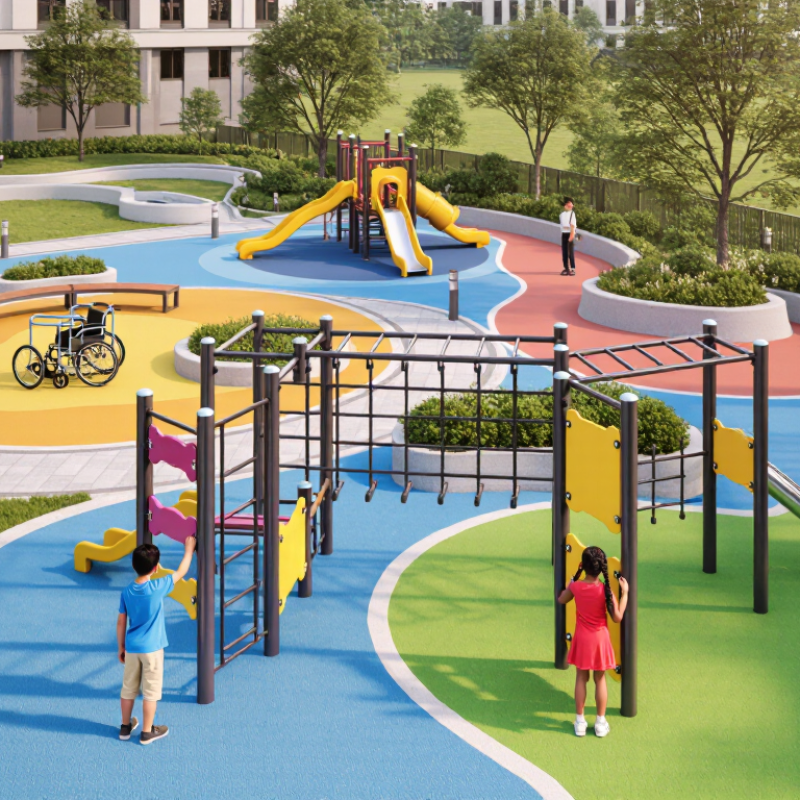
What Is the Best Playground Equipment to Buy in 2026?

How to Evaluate Playground Equipment for 2026

When evaluating playground equipment in 2026, start with the children who will use it, not the catalogue photos. Check the stated age range, platform heights, moving parts, and clear space around each structure. CPSC’s 2015 Public Playground Safety Handbook reports more than 200,000 children receive emergency treatment annually for playground-related injuries in the United States. Falls are a key concern. Ask how equipment height matches the specified impact-absorbing surface, and request documentation for the full use zone.

Look for equipment designed to meet ASTM International’s F1487 safety requirements for public-use playgrounds. Then inspect practical details: rounded edges, secure fasteners, drainage, and parts that can be replaced without dismantling a whole structure. Check accessibility across the play area, not just at the entrance. A ramp is not enough if children cannot reach engaging activities.

Maintenance matters. Ask for inspection schedules, replacement-part availability, and clear records of material warranties. I would not claim one material suits every site: coastal salt, deep shade, and winter grit all change durability. That deserves a site visit. Stand where caregivers will sit, notice blind spots, and check whether water pools beneath the swings. A polished rendering can hide those problems.
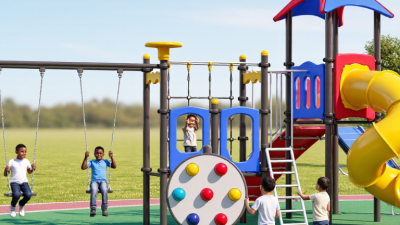
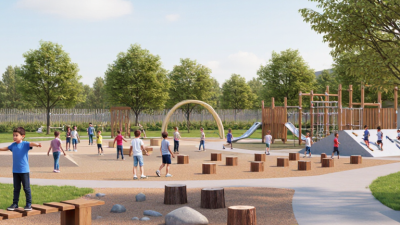
Which Equipment Types Suit Different Ages and Play Styles

Choosing playground equipment in 2026 means matching it to children’s ages and the ways they like to play. Toddlers often benefit from low platforms, broad steps, sturdy handholds, and short slides. Keep routes simple and leave room for an adult nearby. Small details matter. A ladder that feels manageable to an older child may frustrate a toddler.

Preschool and school-age children often enjoy equipment that mixes movement and make-believe: balance beams, swings, climbing nets, and play panels. Look for more than one route up or down, so children can choose easier or harder challenges. It is easy to overbuy. A tall tower may look exciting, but a crowded landing area can make play less comfortable. Older children may prefer challenging climbing structures or open space for running and group games.

Different play styles deserve room, too. Some children seek energetic movement; others prefer quiet sensory panels, pretend-play features, or watching before joining in. Accessible paths and transfer points can help more children reach play areas, while shaded seating gives caregivers a clear view. Check the equipment’s age guidance, fall-surface requirements, and maintenance instructions before buying. Hardware can loosen over time, and surfaces need attention. I would not assume one layout suits every group; observe how children use the space and adjust where possible.

How Safety, Accessibility, and Durability Shape Your Choice

A good 2026 playground purchase starts with the children who will use it, not the tallest slide in the catalog. The U.S. Consumer Product Safety Commission’s Public Playground Safety Handbook cites an estimate of about 200,000 emergency-room visits for playground injuries annually. It is a longstanding estimate, not a precise count for 2026, but it makes fall protection a practical priority. Choose equipment with age-appropriate heights, guardrails, and impact-attenuating surfacing. Check the surface depth and condition under swings and slide exits; thin, compacted material can undermine an otherwise thoughtful design. Small details matter.

Accessibility needs more than a ramp to the play area. The U.S. Access Board’s ADA Accessibility Standards set requirements for accessible routes and play components, offering a useful baseline for planning inclusive spaces. Look for connected routes, transfer options, ground-level activities, and places where caregivers can stay close. A ramp alone can still lead to a dead end. Durability is equally concrete: inspect joints, coatings, drainage, and whether commonly worn parts can be replaced without removing entire structures. ASTM F1487 provides a safety-performance standard for public playground equipment, but meeting a standard does not replace routine inspections. Even sturdy equipment needs attention after storms, heavy use, and freeze-thaw cycles. A slightly less elaborate layout may serve children better if staff can maintain it consistently.

What Is the Best Playground Equipment to Buy in 2026?

Compare common equipment options across three key buying priorities.

Ratings are illustrative planning scores from 1 (lower) to 5 (higher), not test results or product certifications. Actual performance depends on design, installation, maintenance, and site conditions. Check applicable safety and accessibility standards before purchasing.

How to Match Equipment to Your Space and Budget

Choosing playground equipment starts with the space, not the catalog. Measure the usable area, including paths, gates, shade, and the fall zones specified by the equipment maker. A compact yard may suit a low platform, one slide, and a sturdy swing. Small can work.

For a tighter budget, compare the full installed cost, not just the purchase price. Include delivery, ground preparation, protective surfacing, anchoring, and future repairs. A simple climbing structure may cost less than a large multi-activity set while still encouraging varied movement. Check age recommendations, weight limits, material durability, and inspection instructions. If children differ in age, look for features they can use safely at different skill levels. Clear sightlines matter. Adults should be able to see the play area from common seating spots.

Spend on essentials before decorative extras. Proper surfacing and secure installation deserve room in the budget. Recycled plastic may need less upkeep, while wood can require checks for splinters and weathering. Compare care needs honestly. I might be tempted by a tall tower, but a lower structure can be easier to supervise and more useful every day. Leave some space for future changes; family needs shift, and plans rarely fit perfectly on the first try. Before ordering, sketch the layout with real measurements and walk the route from the door to the play area. One missed corner changes everything.

What Is the Best Playground Equipment to Buy in 2026? — Match Equipment to Your Space and Budget
Equipment Option Best For Typical Age Range Planning Space* Indicative Installed Budget (USD)** Space-to-Budget Fit Key Planning Considerations
Compact toddler playset Small backyards, childcare areas, and first-time buyers About 2–5 years Approximately 20 × 20 ft $800–$3,000 Small space · Low–mid budget Choose low platforms, easy-to-grip access, and age-appropriate openings. Keep the manufacturer’s protective use zone clear.
Residential swing set Families looking for active play with a simple layout Varies by seat type; commonly 2–12 years Approximately 20 × 30 ft $500–$3,000 Medium space · Low–mid budget Allow generous front-to-back clearance for swing travel. Infant seats and standard belt seats are intended for different users.
Standalone slide Compact yards or as an addition to an existing play area Depends on slide height and design; often 2–8 years Approximately 15 × 20 ft $300–$1,500 Small space · Low budget Plan for a clear exit area at the bottom and safe access to the platform. Check the product’s age and height recommendations.
Small commercial play structure Schools, community spaces, and shared residential sites Often 2–12 years, depending on the selected components Approximately 30 × 30 ft $15,000–$60,000 Medium–large space · Mid–high budget Compare the structure’s intended age group, capacity, accessibility features, installation requirements, and applicable local standards.
Inclusive ground-level play package Sites aiming to support varied abilities and play styles Can be designed for a broad age range Approximately 25 × 30 ft $8,000–$30,000 Medium space · Mid budget Consider accessible routes, transfer access, sensory and social play, and enough room for caregivers and mobility devices.
Large community play structure Public parks and high-use recreation areas Often divided into age-appropriate play zones Approximately 40 × 50 ft or more $40,000–$150,000+ Large space · High budget Budget for design, accessible surfacing, drainage, delivery, installation, inspections, and ongoing maintenance—not equipment alone.
How to use these figures: Space figures are early planning estimates for the overall play area, not guaranteed safety-zone dimensions. Follow the equipment manufacturer’s layout and use-zone instructions and applicable local requirements. Budget figures are indicative 2026 U.S. planning ranges for equipment and standard installation; actual quotes vary by size, materials, location, shipping, and site conditions. They generally exclude safety surfacing, major grading, drainage, permits, and other substantial site work.

How to Choose the Best Playground Setup for Your Needs

Choosing the best playground setup starts with the children who will use it, not the tallest slide in the catalog. Note their ages, number of users, and favorite play styles. A preschooler may need low platforms and easy-to-grip rails; older children often want climbing challenges and room to move. CPSC guidance recommends separating play areas for ages 2–5 and 5–12 where possible. Its injury surveillance has estimated more than 200,000 U.S. emergency-room visits for playground-equipment injuries in some years. Safety deserves space in the plan.

Measure the yard before comparing equipment. Mark doors, trees, fences, and the full fall zone; CPSC guidance generally calls for at least six feet of protective surfacing around equipment. Ask what surface material and depth are suitable for the structure’s fall height, and check how often it needs maintenance. A compact swing-and-climber may fit better than a large tower, even if the tower looks more impressive. I’d double-check the usable space twice. It is easy to miss a gate swing or low branch.

Tips: Match equipment to children’s ages and abilities, leave clear sightlines from the house, and choose durable materials suited to your climate. Ask the supplier for installation and upkeep instructions, then inspect the setup regularly. A little mud will happen. Plan for it.