+86-13901441113


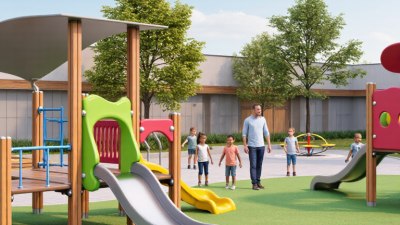
Choosing the best Playground Nursery equipment is not about filling a yard with bright colors. It is about matching each piece to children’s ages, abilities, space, and everyday routines. A low climbing frame, for example, needs a clear landing area, stable footing, and a route that small children can manage without crowding. Simple details matter.
Play researcher Dr. Stuart Brown writes in Play, “The opposite of play is not work, it’s depression.” His words speak to play’s importance, though they do not replace practical equipment guidance. Nursery teams should consider how children actually use a space: where they gather, which surfaces become slippery after rain, and whether quieter children can join in comfortably. Good choices invite movement and imagination while allowing close, calm supervision.
This guide explores age-appropriate equipment, materials, layout, accessibility, and maintenance. It also considers how to balance active play with quieter corners and flexible, open-ended resources. A product can look ideal in a catalogue and still feel awkward in a real playground. That is worth admitting. Observe children using the space, ask staff what works, and review choices over time. A thoughtful Playground Nursery environment is not created in one purchase; it develops through careful decisions and honest reflection.
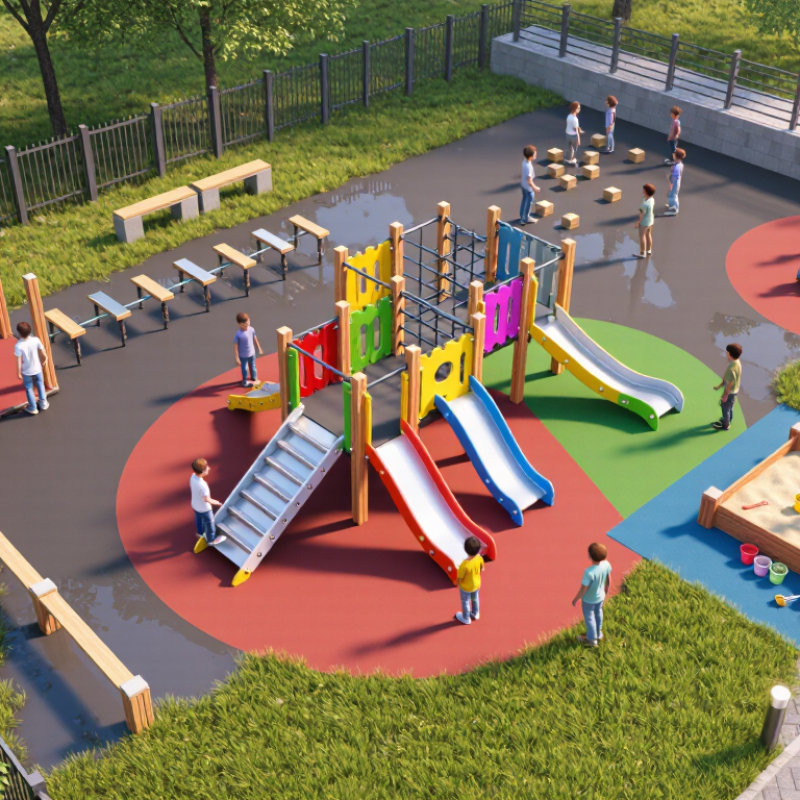
Choosing nursery playground equipment starts with age bands, not a single “preschool” label. The U.S. Consumer Product Safety Commission’s Public Playground Safety Handbook (2010) distinguishes areas for children aged 6–23 months, 2–5 years, and 5–12 years. That distinction matters: a toddler reaching for a low rail needs a different challenge from a five-year-old planning a climbing route. Keep younger children’s play zones close to ground level, with easy-to-grip supports and clear sightlines for staff.
Development changes quickly. The CDC’s 2022 developmental milestone guidance notes that most children can run by age two and climb well by age three. Use these as planning clues, not rigid tests; children vary, and milestones do not replace professional assessment. For younger groups, consider short ramps, low steps, and sturdy handholds. Older preschoolers may benefit from balance paths, small climbing structures, and pretend-play features that invite cooperation. Watch children use the equipment. A step that looks modest on a plan can feel huge to a small child.
Age labels alone can mislead. A mixed-age group may need separate activity options, plus enough space to prevent faster children from crowding younger ones. Check reach, grip, and movement during real play, not only during a supplier review. This takes time. Staff observations can reveal where children hesitate, wait, or need help. One design choice may still miss the mark; revise the layout as children grow and routines change.
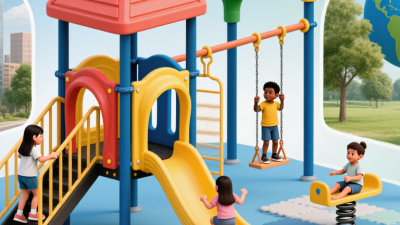
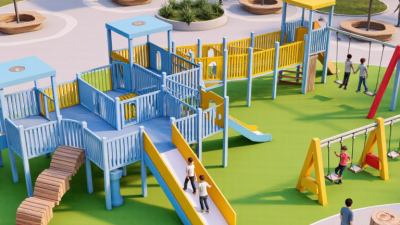
Before comparing playground nursery equipment, walk the whole site and note its shape, surface, and daily conditions. Measure the usable area, including space around each structure for movement and safe access. Measure twice. A narrow gate or nearby wall can limit delivery, installation, or future maintenance. Check slopes and watch where rainwater collects after a wet day. Puddles may point to poor drainage, while loose soil can affect how stable equipment remains. Look up, too: low branches, strong afternoon sun, and exposed wind can change how comfortable the play area feels.
Think about what children and caregivers will see and reach. Clear sightlines help adults supervise, so dense planting or tall equipment should not block key views. Note nearby paths, doors, parking areas, and boundaries; the play zone should not spill into busy routes. Check for buried services before digging, and identify a practical route for bringing in materials. Shade is useful, but it should not create hidden corners or leave surfaces damp for long periods. Conditions change through the year, and one site visit may miss that. Recheck the area at different times if possible, then compare its limits with equipment dimensions, age suitability, and applicable local safety guidance.
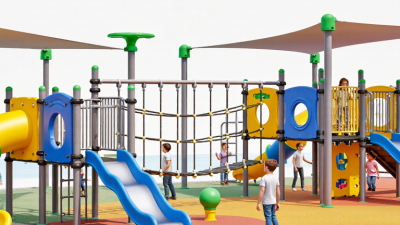
Choosing nursery equipment means comparing what children can do, not just how tall a structure looks. Low platforms and short slides invite stepping, climbing, and repeated turns. Toddlers practise balance and judging distance. Crawl-through tunnels and ground-level play panels encourage pretend play, language, and turn-taking, often with less waiting than a single slide. Swings offer rhythmic movement and body awareness, but need clearance and supervision. They can also become a queue. That detail is easy to overlook.
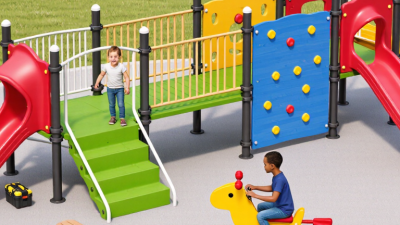
Climbing nets and graduated steps challenge grip, coordination, and persistence. Balance beams and stepping pods build control through small, visible risks. Offer varied difficulty: a hesitant child can start low while a confident peer tries a harder route.
Equipment cannot meet that target alone, but it can make movement part of nursery routines. The U.S. Consumer Product Safety Commission’s Public Playground Safety Handbook emphasizes age-appropriate design and protective surfacing. Check fall zones, reach heights, and accessible routes for the intended age group. No layout is perfect; varied equipment can still fall short if staff cannot see around it.
When choosing playground nursery equipment, begin with the children who will use it and the space available.
Check fall zones, guardrails, openings, and fasteners. A loose bolt or a gap near a platform can create a real hazard. Ask for clear installation and inspection guidance, and compare the equipment with applicable local playground safety standards. Then walk the site at child height. Look for blind corners, hard-to-see entrances, and surfaces that become slippery after rain. Small details matter.
Accessibility should be built into the play experience, not added as a separate route.
Provide a firm, step-free path to play areas, plus ground-level activities children can reach from different positions. Consider transfer access, handholds, broad turning spaces, and quieter spots for children who need a break.
Materials deserve the same close attention. Smooth, sealed surfaces are easier to clean, while exposed metal can become hot in direct sun. Check for splinters, sharp edges, corrosion, UV wear, and water trapped around joints.
Ask how parts are replaced and how often checks are recommended. A drawing can look roomy; the installed equipment may feel cramped. Recheck the layout after installation, and be willing to adjust it.
Installation affects more than the equipment price. A site visit can reveal narrow gates, uneven ground, or drainage problems that change labor and delivery costs. Ask for a written scope covering foundations, anchoring, surfacing, and cleanup. That matters. A low installation quote may exclude ground preparation or safe access routes.
Maintenance should be considered before choosing materials and moving parts. Check how often fasteners, ropes, panels, and impact-absorbing surfaces need inspection. Ask who performs routine checks and how quickly replacement parts are available. Keep a simple inspection log with dates, findings, and repairs. Small issues can grow. Still, maintenance estimates are imperfect; weather and daily use vary from one site to another.
Compare total costs over several years, not just the purchase quote. Include installation, inspections, cleaning, repairs, replacement parts, and possible downtime. For example, a surface that needs frequent patching may cost more than its initial estimate suggests. Request a clear breakdown and ask which costs are optional or recurring. Set aside a repair allowance, even if the exact figure feels uncertain. A realistic budget leaves room for wear that no brochure can predict.