+86-13901441113


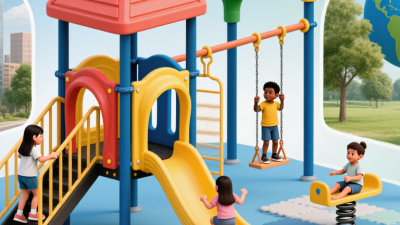
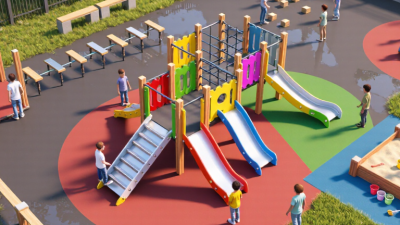
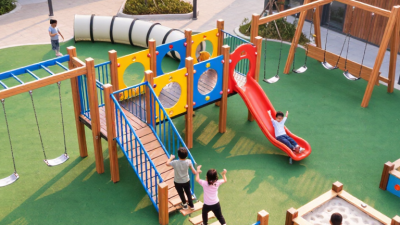
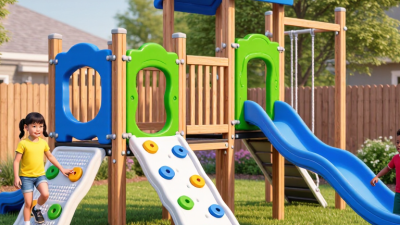
Preschool Outdoor Play equipment includes the structures and movable materials that invite young children to explore outdoors. It may include low climbers, slides, swings, balance paths, and sand or water play stations. The best choices do more than fill a playground. They give children room to climb, test balance, invent games, and play alongside others. A small bridge can become a crossing over an imaginary river. Simple details matter.
For ages three to four, the World Health Organization’s 2019 physical activity guidelines recommend at least 180 minutes of physical activity each day, including at least 60 minutes of moderate-to-vigorous activity. This is a daily target, not a promise that equipment alone can deliver. Still, varied outdoor play can create practical chances to move. The U.S. Consumer Product Safety Commission’s Public Playground Safety Handbook offers guidance on playground design, equipment, and protective surfacing. Its recommendations are a useful reference when evaluating a site, though every space has its own constraints.
Dr. Michael Yogman, lead author of the American Academy of Pediatrics’ clinical report on play, states, “Play is not frivolous.” That is a concise reminder that play supports more than recreation. Preschool Outdoor Play equipment can help make active, imaginative play possible, but no single product suits every child or setting. A climbing frame that excites one group may intimidate another. This introduction explores what the equipment includes, what it can support, and which design and safety details deserve careful attention. Some choices are less obvious than they seem.
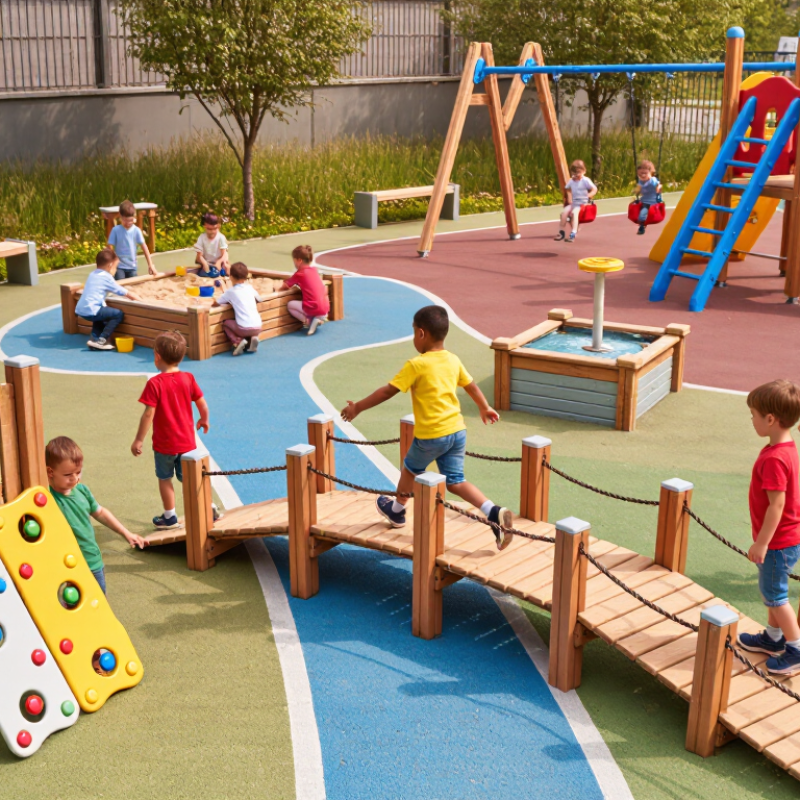
Preschool outdoor play equipment is public playground equipment designed for children’s play, movement, and exploration. ASTM F1487 covers public-use playground equipment intended for children ages 2 through 12. That range is broad. A preschooler’s reach, balance, and confidence can differ sharply from those of an older child, so the standard’s age span does not make every structure suitable for every preschool group.
Design details matter. Think low platforms, secure handholds, clear exits, and impact-absorbing surfacing beneath climbing areas. Slides, swings, and climbing frames should match the users’ abilities, with enough open space to reduce collisions. The U.S. Consumer Product Safety Commission’s Public Playground Safety Handbook reports an estimate of more than 200,000 playground-related emergency-room-treated injuries to children each year. It is a historical estimate, not a prediction for any single site. Still, it shows why fall height and surfacing deserve careful attention.
ASTM F1487 provides performance and safety criteria for public playground equipment; it is not a substitute for thoughtful supervision or site-specific assessment. A neat checklist can miss the muddy patch where children land, or a route that feels awkward to a small child. That deserves a second look. When specifying preschool equipment, consider the youngest intended users, their movement patterns, and the real conditions of the play area—not just the equipment’s label.
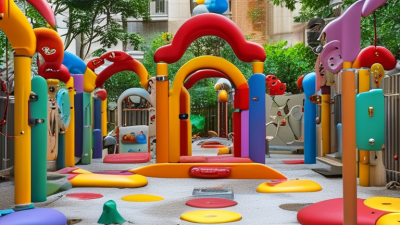
Preschool play equipment is commonly designed for children around ages 2–5. ASTM F1487 covers public playground equipment intended for children ages 2–12. Age ranges alone do not determine whether a particular piece of equipment is appropriate; select equipment and surfacing for its intended users and follow applicable safety requirements.
What Is Preschool Outdoor Play Equipment?
How CPSC’s 2–5 Age Group Shapes Preschool Equipment Categories
Preschool outdoor play equipment is designed around how young children move, reach, and judge risk. CPSC playground guidance identifies ages 2–5 as a distinct user group, separate from school-age children. That distinction matters. Equipment for preschoolers typically has lower platforms, shorter slides, and steps sized for small legs. Grips and handrails should also suit smaller hands. Climbing, sliding, swinging, and balancing features may all appear, but their dimensions and challenge levels should match preschool abilities.
The age label alone is not enough. A tall climber can look inviting while still being difficult for a four-year-old to use safely. CPSC guidance supports age-appropriate equipment and separate play areas where practical, helping reduce conflicts between children with different sizes and skills. Worth a pause. Check the fall height, accessible routes, and protective surfacing around each feature. A child may manage the steps but struggle to climb down. Adults should observe actual use, since children in the same age group develop at different speeds. That part is easy to overlook. Playground layouts also need regular checks, because worn surfacing or loose hardware can change how safe equipment feels and performs.
| Equipment category | Typical play experience | How the 2–5 age group shapes design | Key safety considerations |
|---|---|---|---|
| Slides | Climbing to a platform and sliding down a defined chute. | Preschool designs are scaled for younger users, with access steps, handholds, and platforms suited to their size and abilities. | Check that the platform and access route have appropriate protective features, the slide exit area is clear, and the protective surfacing is suitable for the equipment’s fall height. |
| Swings | Back-and-forth movement while seated or supported. | Seats and suspension arrangements should suit the intended age group. A dedicated swing bay can help separate swinging children from other play activities. | Maintain clear swing use zones, inspect seats and connections, and use impact-attenuating surfacing beneath and around the swing area. |
| Climbing equipment | Climbing, moving between grips, and developing coordination. | For ages 2–5, climbing challenges should reflect younger children’s developing strength, balance, and judgment. Accessible routes and manageable transitions are important design considerations. | Review fall height, openings, handholds, barriers where applicable, and the condition and coverage of surfacing around the structure. |
| Balance and low-level movement equipment | Walking, stepping, and balancing across low play elements. | Lower-height challenges can support coordination while keeping the play experience appropriate for preschool development. | Keep routes free of trip hazards and provide suitable surfacing where a child could fall. Inspect connections and surfaces for damage or sharp edges. |
| Spring rockers | Gentle rocking motion for one or more children, depending on the design. | Seats, handholds, and foot supports should be usable by the intended age group, with movement and access appropriate for preschoolers. | Check the moving parts, anchoring, pinch or crush points, and the equipment’s use zone and underlying surfacing. |
| Seesaws | Up-and-down movement shared by children at opposite ends. | Preschool versions should allow children to hold on securely and participate with a level of movement suited to their age and abilities. | Inspect seats, handles, pivot areas, and any shock-absorbing features. Keep the use zone clear and maintain appropriate surfacing. |
| Rotating equipment | Spinning or turning movement, usually involving several users or a seated rider. | Equipment selection should account for preschoolers’ ability to get on and off safely and to understand moving-play boundaries. | Check for entrapment and pinch hazards, adequate clearance around moving parts, stable installation, and suitable protective surfacing. |
| Combination play structures | Linked activities such as climbing, crossing, and sliding within one structure. | Routes and transitions should be appropriate for ages 2–5; equipment should not assume the reach, strength, or judgment of older children. | Assess each component and the connections between them. Check barriers, openings, fall heights, use zones, and surfacing across the full structure. |
| Overhead events | Moving across equipment while holding overhead grips. | These activities demand upper-body strength and coordination. Their suitability should be evaluated carefully for the specific users and design rather than assumed for every preschool playground. | Review the intended age range, gripping and reach demands, fall height, use zone, and protective surfacing before including this equipment. |
Important: The U.S. Consumer Product Safety Commission (CPSC) identifies ages 2–5 as a separate public-playground age group in its Public Playground Safety Handbook. The handbook provides safety guidance; it is not, by itself, a mandatory product standard. Equipment suitability and safety depend on the specific design, installation, maintenance, and site conditions.
Preschool outdoor play equipment works best when climbing, sliding, swinging, and balancing features invite children to move at different levels. Low climbing frames with broad footholds let young children practise grip and coordination without needing a long route. A short slide with raised sides offers a clear, repeatable challenge. Children often climb up, pause, then try again. That pause matters.
Swings with secure seats encourage rhythm and body awareness, while nearby open space helps prevent children from crossing paths. Balance beams set close to the ground, stepping logs, and wide platforms let them test steady movement at their own pace. A small wobble can be useful. Still, it should not become a fall hazard. Choose features suited to the children’s ages and abilities, and check that impact-absorbing ground cover extends around likely landing areas. Inspect fasteners, surfaces, and moving parts regularly; wear may be easy to miss after a busy season. There is no single layout that suits every group, so watch how children use the space and adjust supervision or access when needed.
What Is Preschool Outdoor Play Equipment?
How CPSC’s Typical 6-Foot Use Zones Guide Layout and Fall Surfacing
Preschool outdoor play equipment includes slides, climbers, balance features, and swings sized for young children. Layout matters as much as the equipment itself. The U.S. Consumer Product Safety Commission’s Public Playground Safety Handbook generally recommends a use zone extending at least 6 feet around stationary equipment. Think of it as clear landing space, not spare room for benches or a tricycle path. Swings need different calculations: their front and rear zones extend farther, based on the pivot height.
Falls happen fast. A 6-foot zone helps separate moving children from hard edges, but it does not make every layout safe. CPSC guidance also ties impact-attenuating surfacing to the equipment’s fall height. ASTM F1292 provides performance criteria for measuring how playground surfaces reduce impact. In practice, loose-fill surfacing can shift under busy feet, so installed depth and regular checks matter. A shallow patch beneath a slide can undermine the protection intended across the whole fall area.
Measure twice. On a small site, overlapping zones may look efficient, yet can bring children landing from separate structures into the same space. Check the equipment’s fall height, the required use zone, and the surfacing documentation before finalizing paths or borders. The six-foot rule is a useful starting point, not a substitute for site-specific review. That distinction is easy to miss.
Preschool outdoor play equipment should invite movement while limiting avoidable hazards. ASTM F1487 provides safety guidance for public playground equipment, including considerations such as openings, fall zones, and protective surfacing. ADA standards address accessible routes and play components where applicable. They help teams consider whether children and caregivers can reach and use play areas. Requirements can vary by project and location, so confirm the applicable standards and local rules.
Tips: Check that paths remain firm, clear, and wide enough for access. Look for loose bolts, cracked plastic, exposed edges, and displaced surfacing. Small gaps matter. Record the date, location, and action taken for each issue.
Inspection is not a one-time task. Staff can scan the playground daily for litter, standing water, or visible damage, then arrange more detailed checks at appropriate intervals. Pay close attention to swings, slides, and busy transfer points. Keep records. Repairs should follow equipment instructions and be completed by people with suitable training. After rain or freezing weather, recheck surfaces and routes; conditions can change overnight. A checklist helps, though it cannot replace careful judgment. When a concern is unclear, restrict access to the affected area and seek qualified guidance.