+86-13901441113


Choosing a manufacturer for Playground Sets involves more than comparing prices and product photos. Global buyers need equipment that suits children’s ages, available space, climate, and planned use. A climbing frame may look sturdy online, yet its dimensions, surface finish, and assembly requirements matter on site. Small details matter. Buyers can ask suppliers for product specifications, material information, installation guidance, and relevant test documentation. Clear answers make comparisons more practical.
This guide explores how to assess manufacturers in China, from product range and customization to quality checks and communication. It also considers details that are easy to overlook, such as packaging, replacement parts, delivery planning, and after-sales support. Requirements can differ by destination and project, so buyers should verify applicable standards and documents with qualified local professionals. Requesting drawings, sample finishes, and written quotations can help clarify what is included. Then compare the full proposal, not just the headline price. A supplier’s claims should be checked against available records and agreed specifications. Some decisions still involve trade-offs. That deserves careful thought. The aim is to help global buyers ask better questions and choose a manufacturing partner with realistic expectations.
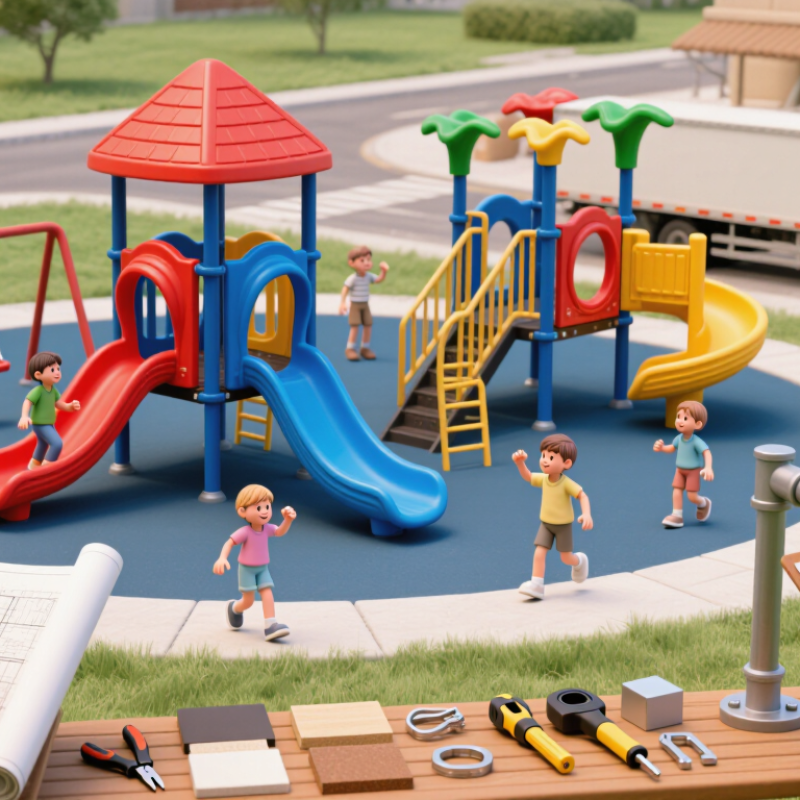
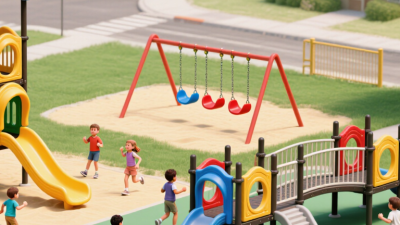
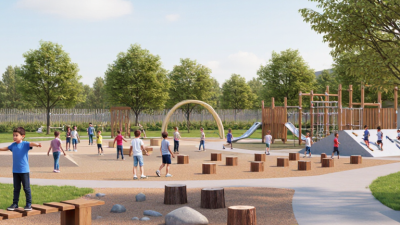
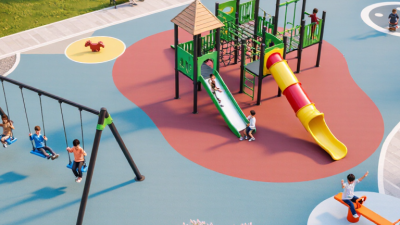
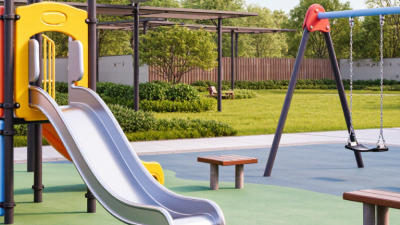
Playground sets range from compact backyard units to larger modular systems for schools, parks, and resorts. Typical components include platforms, slides, swings, climbing nets, and balance bridges. A small yard may suit a low tower with one slide, while a public play area may need separate zones for different age groups. Small details matter.
Global buyers should check more than the product list. Ask for material specifications, assembly instructions, load limits, age guidance, and maintenance recommendations. Request clear drawings showing dimensions, anchoring points, and required fall zones. Safety standards differ by destination market, so confirm applicable requirements with qualified local professionals before ordering. Not every yard fits.
Climate and logistics also affect product choice. UV exposure, heavy rain, coastal air, or freezing winters can influence material durability and upkeep. Buyers should clarify packaging, spare-part availability, installation support, and delivery terms before production begins. A low purchase price can look attractive, yet freight, site preparation, or replacement parts may change the real cost. Even detailed plans can miss a site constraint; verify measurements and ground conditions before installation.
China’s playground equipment supply base brings material sourcing, fabrication, and export coordination into close reach. Manufacturers commonly use galvanized steel for structural frames, molded plastics for panels, and stainless steel fasteners in exposed connections. The right choice depends on climate, use, and maintenance plans. Salt air can challenge coatings. Details matter.
Production usually moves through cutting, welding, surface treatment, molding, and assembly. A careful buyer should ask how edges are finished and how coating thickness is checked. Sample inspections can reveal sharp corners, uneven paint, or misaligned bolt holes before a large order is packed. These checks do not remove every risk. Inspection records may vary in detail, so it is sensible to agree on measurable acceptance criteria before production begins.
Export supply chains involve more than placing equipment in a container. Disassembled parts need clear labels, protective wrapping, and packing lists that match the shipment. Buyers can request assembly drawings, component counts, and dated packing photographs. Moisture barriers help protect metal parts during long transit, while spare fasteners can simplify installation later. Lead times still shift when materials arrive late or schedules change. That uncertainty deserves honest discussion, not optimistic promises.
For global buyers, playground safety benchmarks deserve attention before colors, themes, or delivery dates. ASTM F1487 sets safety and performance requirements for public playground equipment in the United States. It covers issues such as entrapment openings, protruding parts, and fall zones. EN 1176 is a related European standards series, with requirements shaped for equipment types and playground settings. They are not interchangeable. Check which standard and edition apply to the project location, then review the supplier’s test evidence against the actual equipment configuration.
ISO 9001 addresses a different question. It evaluates a company’s quality management system, not the safety of a particular playground set. That distinction matters. Ask for the certificate scope and current test reports, and confirm that the documents match the models being purchased. During installation, inspect anchoring, surface levels, and clearances against the approved plans. Keep maintenance records; loose bolts and worn surfacing can change risk over time. A tidy certificate folder is useful, but it cannot replace a careful site inspection. Safety depends on the whole process.
| Buyer Checkpoint | ASTM F1487 | EN 1176 | ISO 9001 | What Global Buyers Should Verify |
|---|---|---|---|---|
| What it addresses | Safety performance and requirements for public-use playground equipment. | Safety requirements and test methods for playground equipment; the EN 1176 series contains parts for different equipment types and related topics. | Requirements for an organization’s quality management system. | Match the applicable standard to the destination market, equipment type, intended users, and project specification. |
| Type of benchmark | Product and equipment safety standard. | Product and equipment safety standard. | Management-system standard; it is not a playground equipment safety or product-performance standard. | Do not treat an ISO 9001 certificate as proof that a particular playground set complies with ASTM F1487 or EN 1176. |
| Common safety review areas | Depending on the applicable requirements, review equipment design, use zones, access, entrapment hazards, and structural or performance criteria. | Depending on the applicable part, review equipment design, installation, access, entrapment hazards, and use zones. | Review the organization’s documented processes for quality control, corrective action, and continual improvement. | Request item-specific drawings, material details, installation information, and evidence addressing the relevant safety requirements. |
| Surfacing consideration | Check applicable impact-attenuation requirements and the equipment’s fall height; surfacing requirements may also be addressed by ASTM F1292. | EN 1177 covers impact-attenuating playground surfacing; confirm the applicable surfacing specification and critical fall height. | Does not establish impact-attenuation performance for playground surfacing. | Evaluate the equipment and surfacing together. Confirm the tested surfacing system, installation depth, and site conditions against project requirements. |
| Evidence to request | Relevant test reports or compliance documentation identifying the equipment model and the standard applied. | Relevant test reports or compliance documentation identifying the equipment model and applicable EN 1176 part(s). | A current certificate whose scope and issuing certification body can be verified. | Check report scope, model references, test dates, standard editions, limitations, and whether the evidence applies to the supplied configuration. |
| Independent testing | Where required by the buyer or project, use a competent testing body and confirm its relevant scope of accreditation. | Where required by the buyer or project, use a competent testing body and confirm its relevant scope of accreditation. | Certification is conducted by a certification body; verify the certificate with the issuer or an appropriate accreditation source. | ISO/IEC 17025 accreditation concerns a testing or calibration laboratory’s competence within its accredited scope; it is distinct from ISO 9001 certification. |
| Installation and site checks | Confirm site layout, use zones, anchoring, and installation follow the applicable standard and project documents. | Confirm site layout, use zones, anchoring, and installation follow the applicable standard and project documents. | May support consistent production and documented processes, but does not validate a particular site installation. | Obtain installation instructions and maintenance information; arrange site inspection where required by the project or local rules. |
| Important limitation | Requirements and applicable editions depend on the project and relevant jurisdiction. | The relevant requirements depend on the equipment type, applicable EN 1176 parts, and project context. | Certification applies to the stated organization and scope, not automatically to every product or shipment. | Confirm current requirements with the buyer, local authorities, and qualified safety professionals before procurement or installation. |
For global buyers comparing playground sets, the 6-foot use zone is a practical safety requirement, not spare landscaping. CPSC guidance generally calls for at least 6 feet of clear space around stationary equipment, measured from its outer edge. Swings need more room: their front and rear zones extend twice the height of the pivot point. That distinction is easy to miss on a compact site. Measure from the equipment, not from the edge of a platform or a drawing’s convenient boundary.
The entire fall area needs impact-attenuating surfacing suited to the equipment’s fall height. ASTM F1292 covers impact attenuation testing; ask for test documentation, then check installation depth and condition on site. Loose fill can shift beneath swings and gather at borders. Not quite a set-and-forget detail. CPSC’s Public Playground Safety Handbook cites a historical estimate of about 200,000 playground-equipment injuries treated in U.S. emergency departments each year. The figure is not a forecast for any one site, but it underscores why surfacing and clear zones deserve careful review. Inspect drainage, edges, and worn spots, too; an approved material can still perform poorly when compacted, displaced, or neglected.
China Best Playground Sets Manufacturer for Global Buyers
Accessible Routes: ADA's 36-Inch Minimum Clear Width
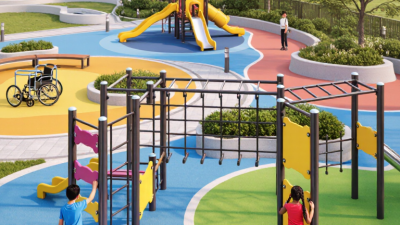
A playground route should let a wheelchair user travel from the entrance toward accessible play features without squeezing past obstacles. Under applicable ADA standards, an accessible route generally needs at least 36 inches of clear width. Measure the usable space between fixed barriers, not the full path shown on a site plan. A post, open gate, or overflowing mulch can quietly reduce that clearance. Small details matter.
For a real installation, check the route after equipment, edging, and surfacing are in place. A tape measure helps, but a slow wheelchair walkthrough can reveal awkward turns or pinch points that measurements miss. The 36-inch minimum is a baseline, not always a comfortable target for busy parks or two-way traffic. Wider paths can make passing easier. Conditions also change: loose surfacing may shift, and vegetation may grow into the route. Routine inspections should include these areas.
Tips: Measure the narrowest point, including gates and turns. Keep loose materials clear of the route. When space allows, plan wider paths for easier passing and maintenance.